Trump Calls Qatari Emir on Mideast Tensions as Yemen Strikes Kill 30
Diplomats in Doha and Tehran worked to stabilize the region Friday while airstrikes in Taiz province killed at least 30 people and Italian nationals faced detention in the West Bank.
By Lauren Foster ·

U.S. President Donald Trump and Qatar’s Emir Sheikh Tamim bin Hamad al Thani held a telephone call on Friday to coordinate efforts to lower tensions in the Middle East.
The region remained on edge regarding the potential for renewed U.S. military action against Iran. Qatar’s media office stated that the two leaders focused on international measures to end the conflict. They specifically discussed Qatar’s mediation work aimed at securing a comprehensive agreement that ends the crisis and ensures regional security and stability.
Qatar and other Gulf Arab nations allied with the United States faced heavy Iranian attacks earlier in the war. These countries have sought to avoid new escalations that could expose them to further strikes. Sheikh Tamim emphasized the need for continued dialogue and diplomatic solutions to resolve disputes. He also stressed the importance of maintaining freedom of maritime navigation and the security of energy supplies.
Iran’s Foreign Minister Abbas Araghchi continued a series of diplomatic phone calls on Friday. He spoke with his Iraqi and Tunisian counterparts to outline steps for easing regional tensions. According to Iraq’s News Agency, Araghchi shared Iran’s vision for resuming negotiations with the U.S. during his call with Iraq’s Foreign Minister Fuad Hussein.
Araghchi noted that Iran presented this vision to the U.S. before the midterm elections. The proposal includes reopening the Strait of Hormuz and setting a timetable for starting negotiations. It also adds issues related to Iran’s nuclear program to the agenda. Araghchi had previously spoken with Turkish and Gulf leaders earlier this week about regional developments and maritime security.
Egyptian Foreign Minister Badr Abdelatty urged all sides to show flexibility during a call with Araghchi on Thursday. Egyptian Foreign Ministry spokesman Nader Zaki said Abdelatty called for a political solution to avoid further escalation.
In Yemen, airstrikes hit a popular market in al-Waziyah, Taiz province, on Friday. A Houthi health ministry spokesperson, Anees Alsabahi, said at least 30 people were killed and eight others were wounded. The Houthi-run health ministry confirmed the toll, noting that the attack would be one of the deadliest since fighting resumed between the Houthis and Saudi-backed government forces.
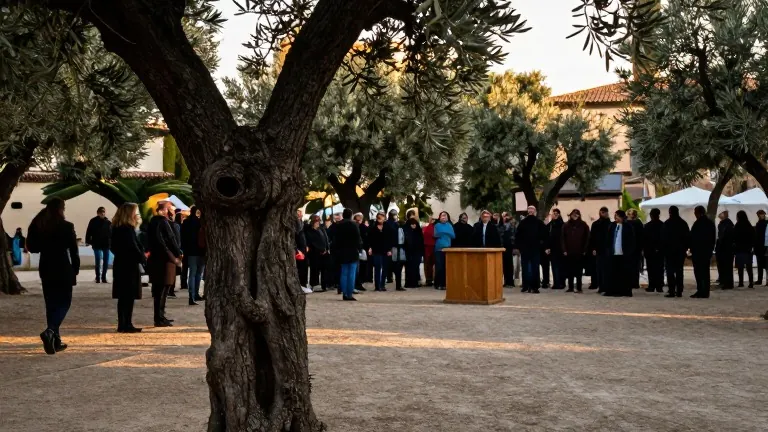
The Saudi-backed military and Houthi rebels traded accusations over responsibility for the strike. Taiz remains mostly under Houthi control, with the rebels besieging the provincial capital where government forces are based. In a separate development, Italy’s Foreign Ministry said it was seeking the release of several Italians detained by Israeli authorities in the West Bank. The group may include four activists and two journalists who were assisting Palestinian farmers during the olive harvest. The detainees are currently held at a police station in Modi’in Illit and are expected to be transferred to Ben Gurion Airport pending deportation.