Arab-led parties win 19 Knesset seats after record Palestinian turnout in Israel
The election result leaves both major coalitions short of a majority, handing Palestinian citizens of Israel a decisive role in forming the next government.
By Lauren Foster ·
Palestinian citizens of Israel turned out to vote in record numbers during last month's general election, a surge that stripped Prime Minister Benjamin Netanyahu of his parliamentary majority. The high turnout gave Arab-led political blocs enough influence to determine which coalition will govern the country next.
Neither Netanyahu’s far-right coalition nor the center-right opposition led by Gadi Eisenkot secured the 61 seats required to form a government out of 120. Arab-led parties won 19 seats in total. The Central Elections Committee reported that these parties saw a 64 percent increase in votes compared to the previous election cycle.
Jamal Zahalka, chairman of the High Follow-Up Committee, described the outcome as a historical achievement. He stated that the community blocked the continuation of Netanyahu’s government and found its strength in the ballot box.
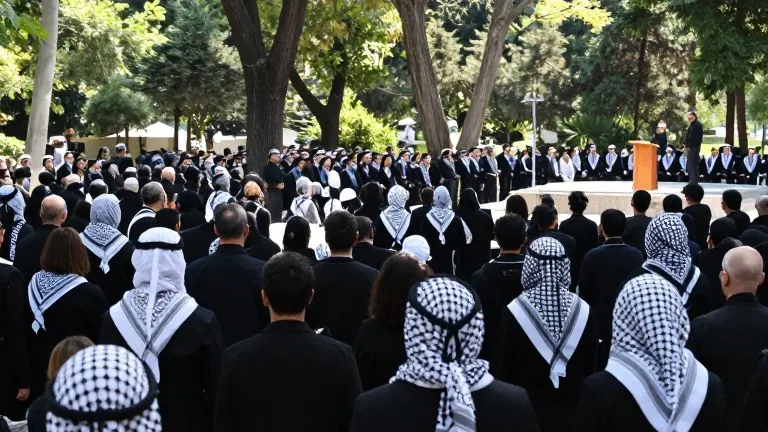
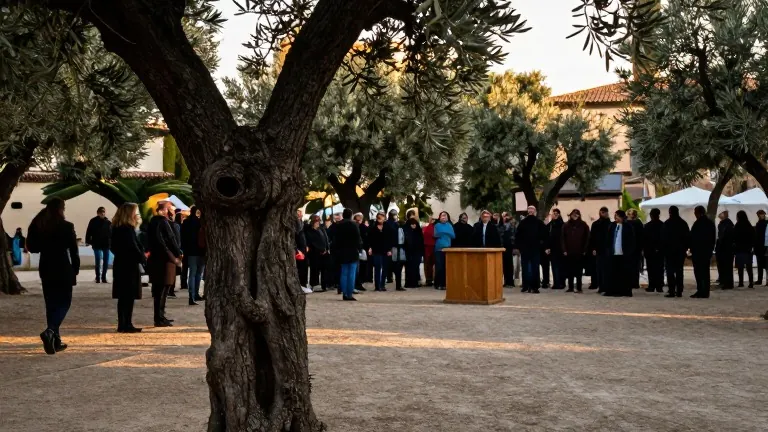
The political gains have intensified debate over the status of Palestinian Arabs, who make up about 20 percent of Israel's population. In the Palestinian-majority town of Kufr Qasim, residents gathered two days after the vote to commemorate the 1956 massacre of local residents by border police. Speakers and mourners linked the annual memorial to current conditions, including the war in Gaza and rising discrimination in the West Bank.
Intisar Sarsur, 65, said she and her family sought basic rights as human beings. She noted that everyone she knew participated in the election. The family shared platters of mutabbaq and fresh olive oil from the local harvest, a tradition that Sarsur described as bittersweet this year due to settler violence in the West Bank.
Netanyahu's Likud party reacted to the results by calling the turnout an emergency. The party claimed Arab parties stole the election through bribery and forgery, though police found no basis for these claims and election officials ruled out widespread fraud. Itamar Ben Gvir, the national security minister, urged voters to support parties that would keep the country Jewish and Zionist.
The voting blocs are now divided on how to use their leverage. Ra'am, a conservative Islamist party, campaigned for a spot in a governing coalition. The Joint List, which won 11 of the 19 seats, said it would likely support Eisenkot from the outside rather than join his cabinet, citing the ongoing war in Gaza.
President Isaac Herzog is consulting with parties to determine who receives a mandate to form a government. He is expected to announce a candidate next week. That leader has 28 days to form a coalition, with the option of a two-week extension. If no government is formed, Israel will hold repeat elections next year.