US Hits Iranian Air Defense Node Days After Republican Midterm Loss
Qatari mediators propose a two-day bridge deal to restart nuclear talks, but Tehran insists on lifting the port blockade first.
By Lauren Foster ·
The U.S. military struck an Iranian air defense system on Friday, the first such action since President Donald Trump’s party lost control of both chambers of Congress on Tuesday.
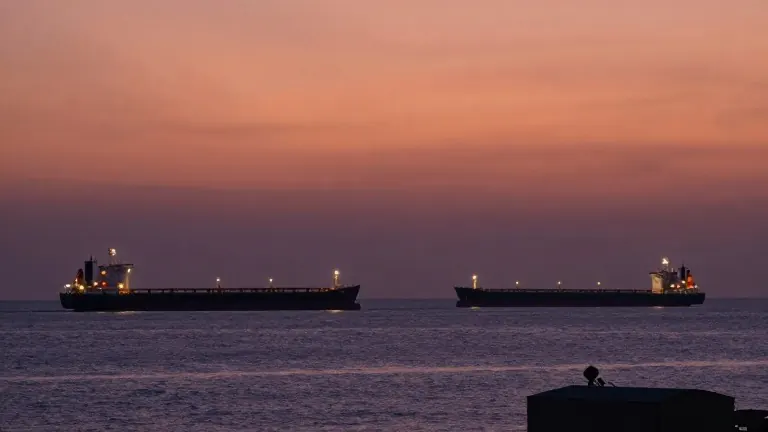
Trump described the operation as minor, stating that U.S. forces disabled a newly built anti-aircraft device in a matter of minutes. He spoke to reporters in West Palm Beach, Florida, on Friday evening, saying the target was knocked out in about 15 minutes, or possibly five. Iranian state media reported two explosions in the Suza area of Qeshm Island, a key waterway for oil shipments. U.S. officials previously assessed that most of Iran’s air defense networks were damaged or destroyed during a June 2025 bombardment by Israel and the early phases of the current conflict, but they expected Tehran to rebuild the infrastructure over time.
The strikes follow defensive actions reported on Monday, when explosions were heard on Qeshm and Hengam islands and in the Bandar Abbas mainland area within the Strait of Hormuz. The military action lands amid a diplomatic push led by Qatar. Two Middle East government officials said Friday that Iran is reviewing new proposals from the Qatari chief mediator. These proposals aim to resolve differences over Tehran’s nuclear program.
The Qatari proposal outlines a two-day bridge deal. On the first day, the U.S. would lift its blockade of Iranian ports and release a portion of the billions of dollars in frozen Iranian funds. In exchange, Tehran would allow inspectors from the International Atomic Energy Agency to access sites that were bombed by the U.S. and Israel. On the second day, Iran would reopen the Strait of Hormuz under a modified agreement reached with Oman but not yet approved by Washington. This temporary mechanism would serve as a foundation for permanent talks on the waterway and Iran’s nuclear stockpile.
Iranian officials remain unwilling to negotiate directly with the Trump administration until core conditions are met. These demands include ending the U.S. port blockade, lifting sanctions, unfreezing assets, providing compensation for war damage, and halting hostilities across the region, including Israeli operations in Lebanon. One official stressed that Iran will not engage on its atomic activities until the U.S. agrees to these terms. The nuclear program remains the primary point of contention in a conflict that has lasted more than eight months. Iran maintains its program is peaceful, though it holds 440.9 kilograms of uranium enriched to 60% purity, a technical step away from the 90% level required for weapons.
Diplomatic efforts have intensified in the days following the U.S. midterm elections. Defense Secretary Pete Hegseth spoke with Qatari counterpart Sheikh Saoud bin Abdulrahman Al Thani on Friday. Trump and the Qatari emir also held a separate call to discuss de-escalation. Iranian Foreign Minister Abbas Araghchi held phone calls with his Iraqi and Tunisian counterparts on the same day. Araghchi and Iraqi Foreign Minister Fuad Hussein discussed Tehran’s vision for resuming negotiations with the U.S.
U.S. Central Command announced late Friday that the United States is offering a reward of up to $20 million and possible relocation for information regarding Iran’s nuclear program. The offer includes details on facilities, equipment, and personnel in the scientific community. The White House declined to comment on the specific Qatari proposals, but Trump affirmed that talks with Iran are ongoing. Egyptian Foreign Minister Badr Abdelatty, who spoke with Araghchi this week, said both sides must show flexibility to prevent a new wave of regional escalation.