Democrats Win N.C. House, Break Senate Supermajority
Election results end Republican control of the General Assembly after 16 years, setting the stage for split government in Raleigh.
By Fatima Saleh ·
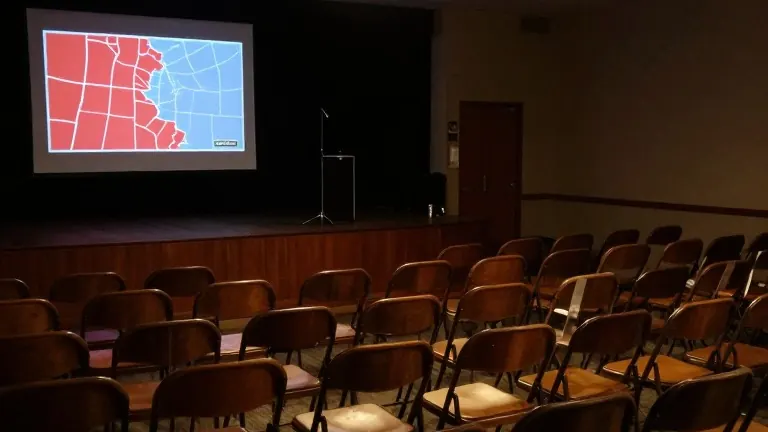
Democrats took control of the North Carolina House of Representatives on Tuesday, ending the Republican Party's 16-year hold on the chamber.
The Associated Press called the race as all precincts reported in key contests. Republicans retained a narrow majority in the state Senate but lost their supermajority status. One Senate race remained within recount territory early Wednesday, but the balance of power in the upper chamber appeared to shift away from the GOP.
The political shift in Raleigh follows a Democratic surge across the state. Roy Cooper secured a victory for the U.S. Senate, becoming the first Democrat elected to that office in North Carolina since 2008. Cooper's lead over his opponent, Whatley, reached nearly 20 points with all precincts counted. That margin represents the largest U.S. Senate victory for Democrats in the state since 1974. At least one U.S. House seat also flipped to the Democratic column.
House Democratic Leader Robert Reives addressed supporters at an election night party. He stated that the House would be under Democratic control in January 2027. Reives told the crowd, “Relief is coming on its way. No more looking at the papers scared of what’s getting ready to happen. No more wondering how many more times you’re going to be undercut and kicked in the gut. You are going to be able to look at at least one chamber in your government and know we’ve got nothing else on our minds except to take care of you.”
Representatives for Republican House Speaker Destin Hall did not respond to requests for comment. The election results included the defeat of several influential Republican lawmakers. Sen. Michael Lee of New Hanover County, who sought to become the next Senate leader, and Rep. Tricia Cotham of Mecklenburg County were among those on track to lose their seats.
The split control of the General Assembly will require both parties to reach agreement on legislation. Lawmakers must secure the support of Democratic Gov. Josh Stein for major bills. In his first two years in office, Republicans overrode nearly all of Stein's vetoes. The chamber leaders now face a two-year spending plan deadline set for the end of June 2027.
Republican lawmakers are scheduled to return to Raleigh on November 16 through 19. They plan to convene again later in the month to address legislative priorities before the new session begins.
Source: The Assembly · original report published
More Politics · Greensboro news · Report a business · Got a Story?