Shrimpers Face Record Diesel Costs and Tariff Uncertainty in Midterm Vote
South Carolina fishermen report that fuel prices doubled while federal cuts to ocean monitoring services reduced operational safety, influencing voter choice for Tuesday's election.
By Lauren Foster ·
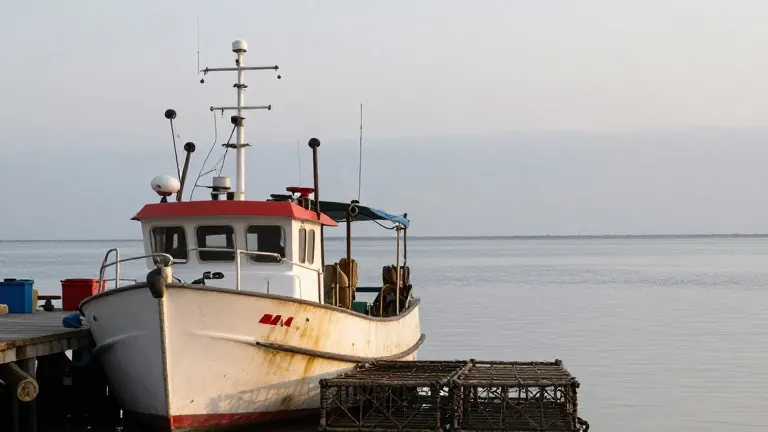
South Carolina shrimpers paid a record average of $6.17 per gallon for diesel in late September, a price point that has doubled for some operators since President Donald Trump returned to office in January 2025. This surge in fuel costs, combined with rising equipment maintenance expenses, is reshaping the financial outlook for coastal fishing communities heading into Tuesday’s midterm elections.
The economic pressure stems from multiple federal and market factors. An analysis of federal employment data indicates that the National Oceanic and Atmospheric Administration has lost roughly 20 percent of its workforce under the current administration. The proposed 2027 budget would further reduce funding for ocean monitoring and terminate a regional ocean observation programme. Mark Marhefka, who has fished for 49 years and owns Abundant Seafood, noted that these cuts affect the weather data and forecasts that determine when it is safe to take boats offshore. "They’ve already started cutting back on NOAA, and they’re looking to do more in this next fiscal year," Marhefka said.
Voters are divided on which party best addresses these financial strains. Marhefka, a Democrat, cited the doubling of fuel costs as a primary reason for his choice. "Fuel costs have doubled since Trump has been back in office," he said. "I voted Democrat because I really think Annie Andrews is going to help South Carolina." Andrews, the Democratic Senate candidate, addressed these costs directly at a rally in Charleston, stating, "I’m fighting to lower the damn diesel for our farmers and our fishermen and our shrimpers."
Conversely, Kevin S., a worker at Geechee Seafood on Shem Creek who plans to vote Republican, cited regulatory burdens as a key concern. He described the industry as heavily regulated with permits that can cost thousands of dollars. "It’s not that a lot of people love the Republican Party. It’s more of a lesser of two evils," S. said, noting that many in the sector prefer Republican policies on domestic energy production. John Henry Middleton, an 81-year-old undecided voter, expressed frustration with both parties, saying he wants politicians to work together for the good of the people while he continues to work at an advanced age.
Market competition from imports remains a persistent challenge. The United States imported 1.59 billion pounds of frozen warmwater shrimp in 2025, a 2 percent increase from the prior year. In July 2026, the administration imposed tariffs of 10 to 12.5 percent on shrimp from major suppliers including India, Ecuador, Indonesia, Vietnam, and Thailand. While domestic shrimper Cindy Tarvin of Tarvin Seafood hoped these tariffs would improve local prices, she reported no meaningful benefit yet. She also noted that tariffs on steel and aluminium have increased the cost of boat maintenance. "So all of the pieces and parts that go into keeping a fishing boat running and keeping the equipment replaceable are affected by tariffs," Tarvin said.
The industry’s scale is contracting in historic areas like Shem Creek near Charleston. The Tarvins estimate that only about eight shrimpers remain in the area. They attribute this decline to thin profit margins caused by cheap imports and high operating costs. "Younger captains can make a living, but not a lavish one," Cindy Tarvin said. The next phase of federal policy will depend on the outcome of Tuesday’s election, where voters will select candidates who may determine the future of these trade and regulatory frameworks.
Source: Al Jazeera
More Business · Scam Watch · Report a business · Got a Story?