San Diego SNAP office distributes 70,000 pounds of food as benefits drop
County social service offices have partnered with food banks to hand out groceries since federal legislation cut assistance rolls in July.
By Samuel Hayes ·
Five million Americans lost federal food benefits in the year following the passage of the One Big Beautiful Bill, a federal law that reduced SNAP funding and tightened eligibility rules. The decline represents the fastest drop in decades and exceeds the federal government's initial projections. San Diego County is among the hardest hit, with 36,000 fewer residents on the program in September than in July 2025.
The law, signed into effect in July, also barred most asylum seekers and refugees from receiving aid. It introduced work requirements for specific groups, including homeless individuals, former foster youth, veterans, parents with children older than 14, and able-bodied adults between the ages of 55 and 64. These changes have increased the administrative burden on county staff. Between January and October, the county processed more than 830,000 additional documents compared to the same period last year. That count covers only mailed paperwork, which constitutes about one-third of all incoming documents.
Nina Olivas, who oversees the San Diego Access Customer Service Call Center, says the volume of paperwork and the loss of benefits have strained her team. She notes that staff often meet clients at difficult moments in their lives, such as after a job loss or illness. Olivas states that the emotionally draining aspect of the job is hearing from people who need help immediately but cannot receive it due to new rules or processing delays.
To address the gap, the San Diego County Board of Supervisors approved a plan in the summer to secure $15.8 million to offset the loss in federal funds. The board also approved the hiring of 122 new social service workers. In August, the county began holding food distribution events at its social service offices in partnership with Feeding San Diego and the San Diego Food Bank. Monica Montgomery Steppe, the vice chair of the Board of Supervisors, says she came up with the idea after a restless night thinking about the projected number of people losing benefits. She wrote her thoughts in a Google Doc and told her staff, "We have to do something."
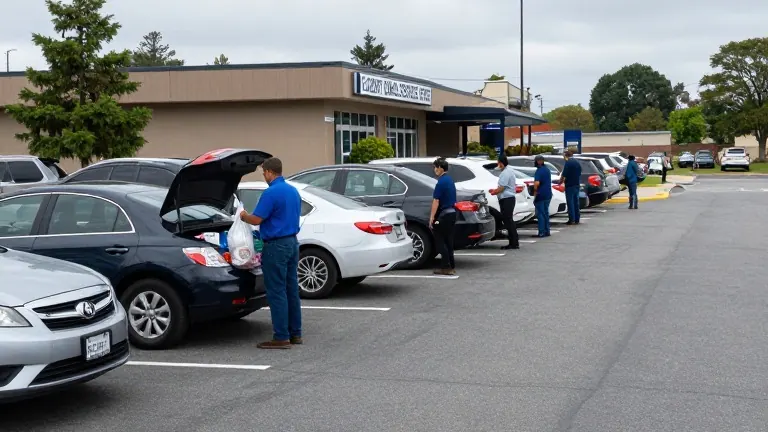
Between August and September, the county distributed nearly 70,000 pounds of food to more than 5,200 people. At a recent event, a line formed 90 minutes before the official start time. Participants included young families, seniors, and veterans. Social service workers guided people through the line and addressed questions about federal changes. Ambar Santiago, who came for groceries after a paperwork error delayed her benefits, received vegetables, canned goods, and diapers. A worker reviewed her case and assured her they could resolve the issue. Santiago used the ingredients to cook carne guisada, a Puerto Rican beef stew, for dinner that night.
Other states are taking different approaches to the federal cuts. Illinois provided a one-time $400 benefit to individuals removed from SNAP, while Phoenix offered $600 toward utility bills for those who lost food aid. Maine created a state-funded program for certain noncitizens. In Texas, the SNAP application backlog grew from 3,700 pending cases in January to 175,000 in September. More than 700,000 Texans lost food aid since July 2025. Arizona's SNAP rolls shrank by nearly half, a decline attributed to staffing shortages and stricter application scrutiny. Louisiana saw enrollment fall by 154,000 between July 2025 and September, with three-quarters of removals due to procedural issues like missing forms or missed interviews.
More News · Greensboro news · Report a business · Got a Story?