50 Nations Seek Binding Rules for Autonomous Weapons in Geneva
Diplomats meet this week to negotiate controls on AI-driven military systems, with the United States proposing a five-year timeline for non-binding guidelines.
By Lauren Foster ·
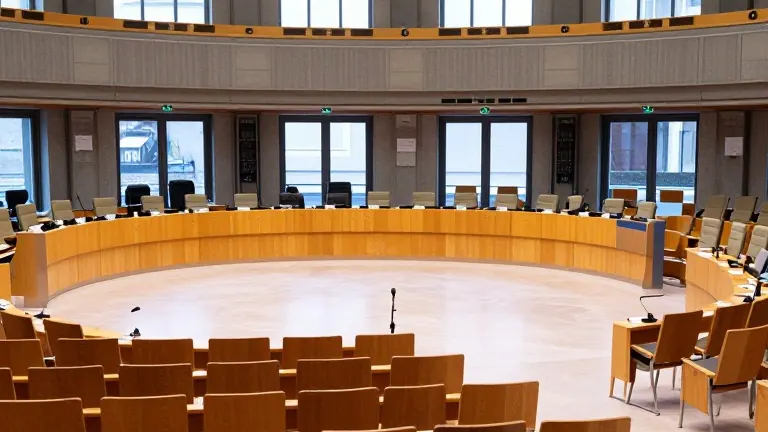
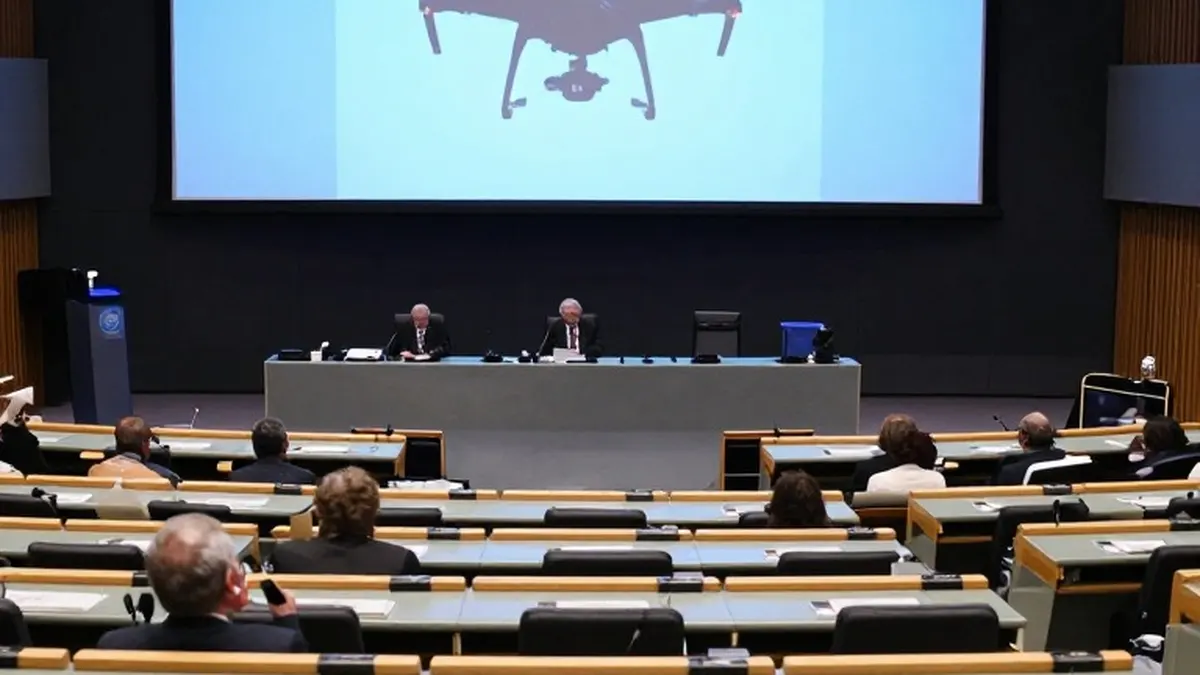
Geneva, Switzerland. Negotiations began this week at the United Nations to establish rules for lethal autonomous weapons systems, often referred to as killer robots. The conference on Certain Conventional Weapons meets once every five years, and supporters of strict controls view this session as the final opportunity to agree on binding standards before the technology spreads further.
Military experts warn that the world is months away from fielding weapons that can independently select targets and make the decision to kill. In the conflicts in Ukraine and Gaza, AI-assisted weapons have already been deployed, though human operators still control them remotely. Ukrainian civilians have reported being hunted by drones while shopping or walking to school, illustrating the current state of the technology.
The International Committee of the Red Cross and the United Nations have called for legally binding rules to keep the decision to kill in human hands. U.N. Secretary-General Antonio Guterres described the prospect of fully autonomous killing as crossing a moral red line. The Red Cross is concerned that existing Geneva Conventions may not be respected by machines. Under current law, wounded soldiers or those surrendering can no longer be targeted, a distinction that autonomous systems may struggle to make in chaotic combat.
Georgia Haines, a legal adviser for the Red Cross, explained that the technology currently lacks the ability to understand contextual signals the way a human does. She warned that the risk of misidentifying a target is incredibly high. Human rights groups also note that AI-assisted weapons are becoming cheaper and easier to use, raising fears of proliferation among terrorist groups or law enforcement agencies in repressive regimes.
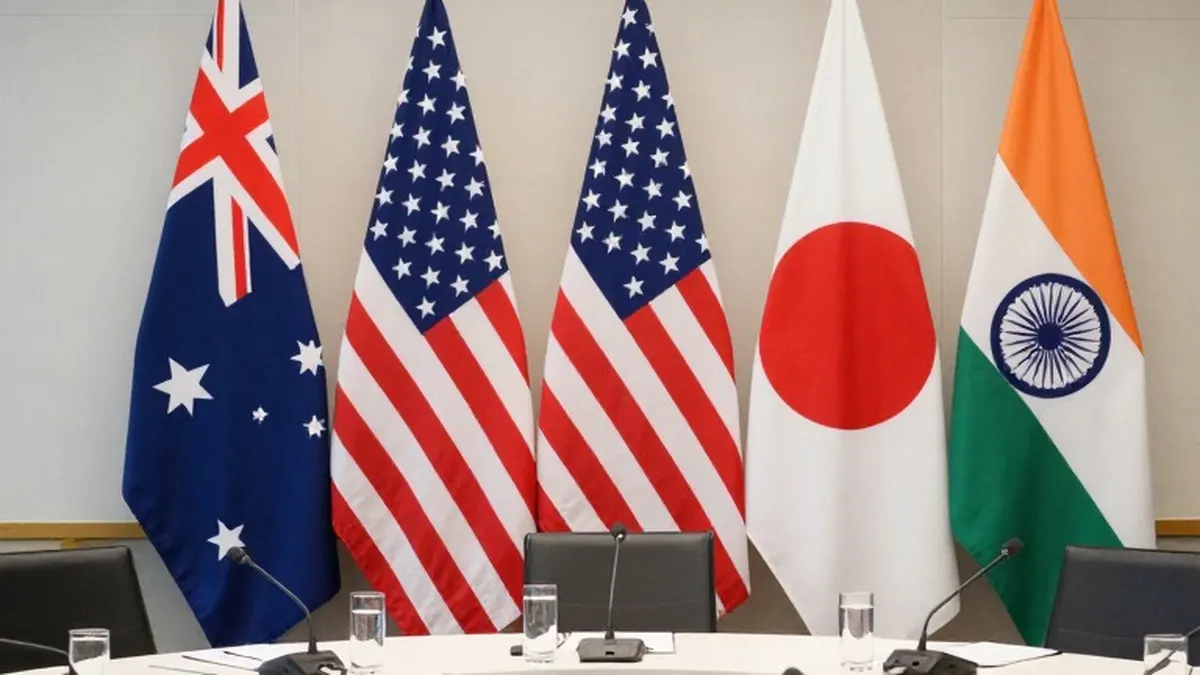
At least 50 countries, including Ireland, Italy, Brazil, Mexico, France, and Germany, are demanding a strict timetable for binding rules. In contrast, the United States, Russia, and Israel oppose legally binding agreements. Washington has proposed a five-year schedule to draft non-binding guidelines instead. The U.S. has historically been a late adopter of international treaties, having not ratified the Ottawa Convention on landmines despite reducing its own stockpiles.
Under President Trump, Washington has expressed growing doubts about international law. This weekend, Secretary of State Marco Rubio warned against quoting laws to men with swords during a keynote speech at the Federalist Society. The U.S. has also imposed sanctions on the International Criminal Court. U.N. negotiations on weapons typically require consensus, a standard achieved in 1995 for a ban on blinding lasers but difficult to reach for other arms.
Diplomats are considering a compromise that would allow a longer or open-ended negotiating period. This would let individual states adopt rules as either binding or non-binding. Campaigners view this less-than-ideal solution as kicking a dangerous can down the road, while supporters see it as a necessary step to ensure some progress.
More World · Greensboro news · Report a business · Got a Story?