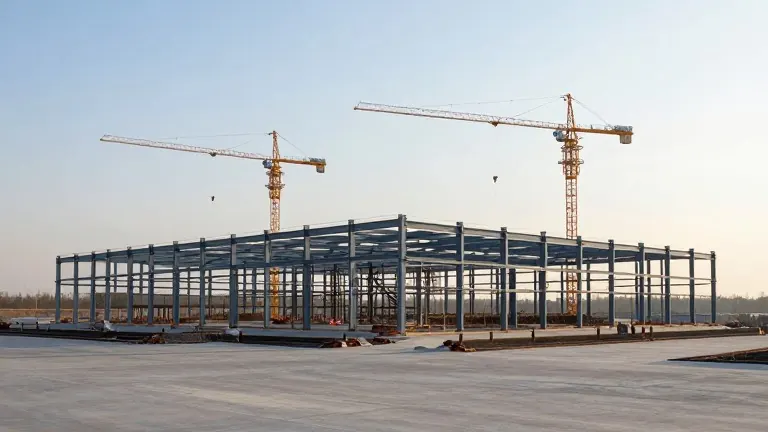
Data Center Developers Face New Regulatory Hurdles After Democratic Midterm Wins
Voters in key tech states elected officials who pledged to restrict or halt new server warehouse projects, forcing the industry to rethink its expansion plans.
By Fatima Saleh ·
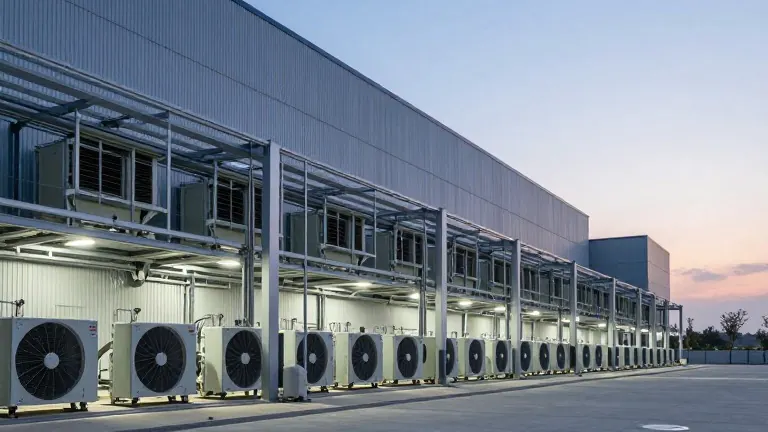
Electricity bills and water usage concerns drove a wave of Democratic victories in states that host major artificial intelligence infrastructure. Voters in Texas, Ohio, Georgia, Nevada, and Iowa elected governors who have explicitly pledged to clamp down on data center development. These new state leaders now hold the power to shape local rules for the energy-hungry facilities.
The shift began as opposition to high energy costs merged with the affordability narrative that dominated the midterm cycle. While data center regulation was not a standalone ballot item, it appeared frequently in candidate platforms. Clayton Tucker, the first Democrat elected Texas agriculture commissioner since 1986, attributed his win to a pledge to fight data center expansion. He noted that ranchers feared the facilities would drain dwindling water supplies. Tucker told The Associated Press that the community sentiment was that “whiskey’s for drinking and water’s for fighting.”
Money followed the message. AdImpact data shows campaigns spent more than $380 million on television ads mentioning data centers. Democrats outspent Republicans on the topic by a ratio of more than three to one. Wisconsin Governor-elect David Crowley, a Democrat, changed his stance during the campaign to support a moratorium on new projects. He also pledged to abolish the state’s sales tax exemption for data center operators. Crowley said he is currently discussing specific proposals, including requiring developers to disclose water and energy consumption data.
Industry leaders are responding to the political change. OpenAI published a framework on Thursday outlining new commitments to host communities. The company asked policymakers to write “clear rules for how the industry builds.” Dan Diorio, an official with the Data Center Coalition, acknowledged that the new state leaders will likely try to deliver on their promises. He warned that moratoriums could result in host communities missing out on tax revenue and investment in domestic manufacturing.
Stock markets reacted quickly to the electoral results. The Nasdaq index dropped 11% below its all-time high on Thursday. Investors expressed worry that stricter regulations would increase borrowing costs and slow construction. Morgan Stanley issued an analyst report stating that the Democratic wins carry “greater expectations for data center restrictions.” The firm predicted the new rules could split the country into regions that are open to new facilities and those that are not.
Morgan Stanley identified the election of Gina Hinojosa as Texas governor as the “most important election result” for the sector. Hinojosa defeated Republican Gov. Greg Abbott and has said she would block permits for data centers that are not a good deal for residents. The report also flagged Ohio’s election of Democrat Dr. Amy Acton as governor, noting she has pledged to block projects that do not meet specific standards. Acton’s victory creates a direct path for stricter local oversight.
Local ballot measures reinforced the statewide trend. Redbud Consulting tracked 47 referendums in 44 municipalities across 12 states. Voters approved restrictions in 44 of the 45 elections where counting was complete. Ohio alone had 21 such referendums. A poll by The Associated Press found that about three-quarters of U.S. voters oppose building a new data center in their community. However, the poll also showed that only about a quarter of voters considered AI data centers crucial to their decision for Congress, ranking it below concerns about government corruption and the cost of living.
Texas is positioned to become the largest global data center market by 2030, overtaking northern Virginia, according to a report by JLL. Stephen Sanders, a Republican who co-founded a data center protest group in Lubbock, said Texans were particularly sensitive to the issue due to the state’s drought conditions. He described the election as a direct referendum on the industry. Sanders said, “I would say data centers were on the ballot.”
More Business · Scam Watch · Report a business · Got a Story?