Triad voters face 6:30 a.m. start for Senate, House races
Polls in Greensboro, High Point, and Burlington open early Tuesday as North Carolina voters decide an open U.S. Senate seat and all state congressional districts.
By Samuel Hayes ·
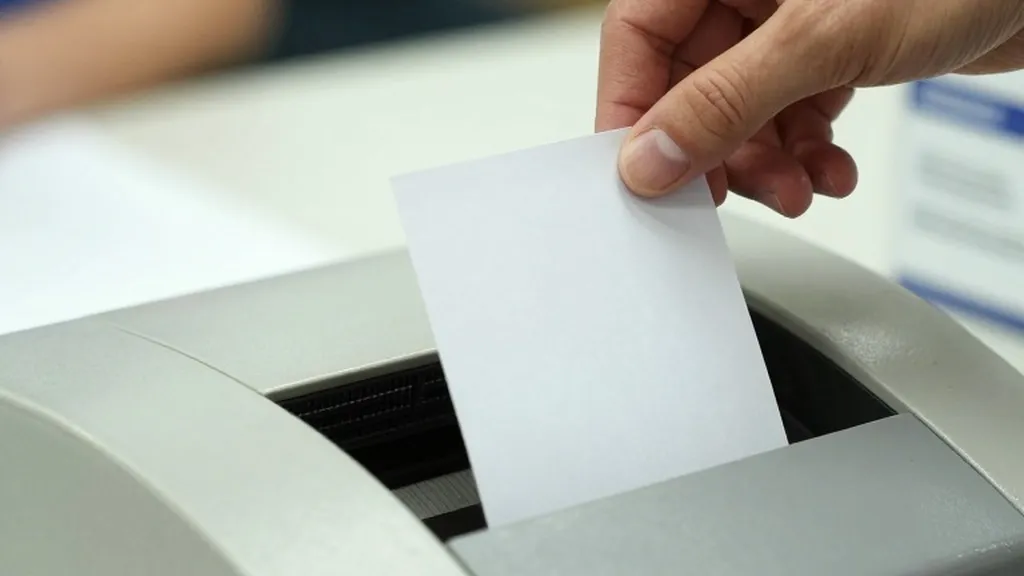
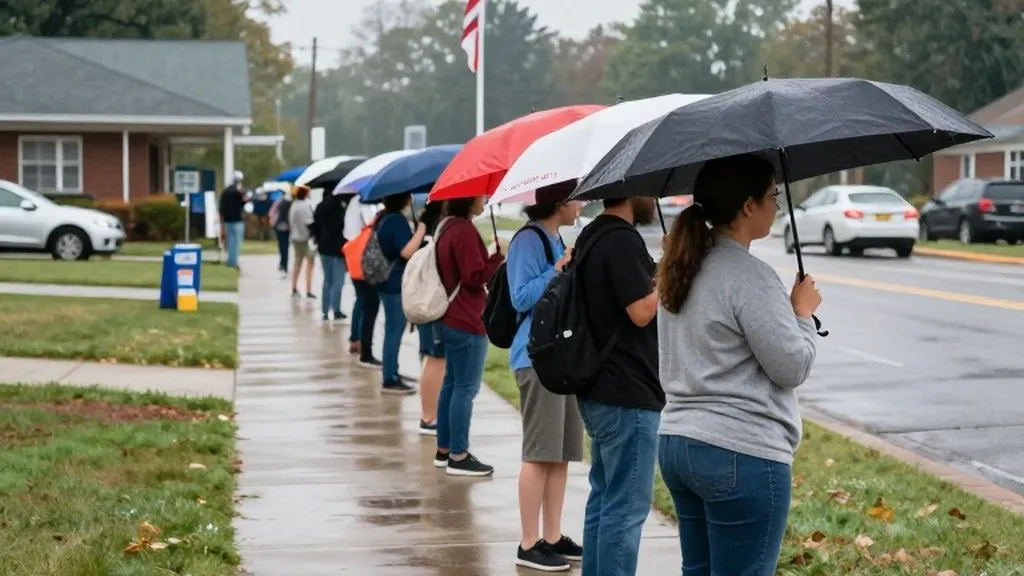
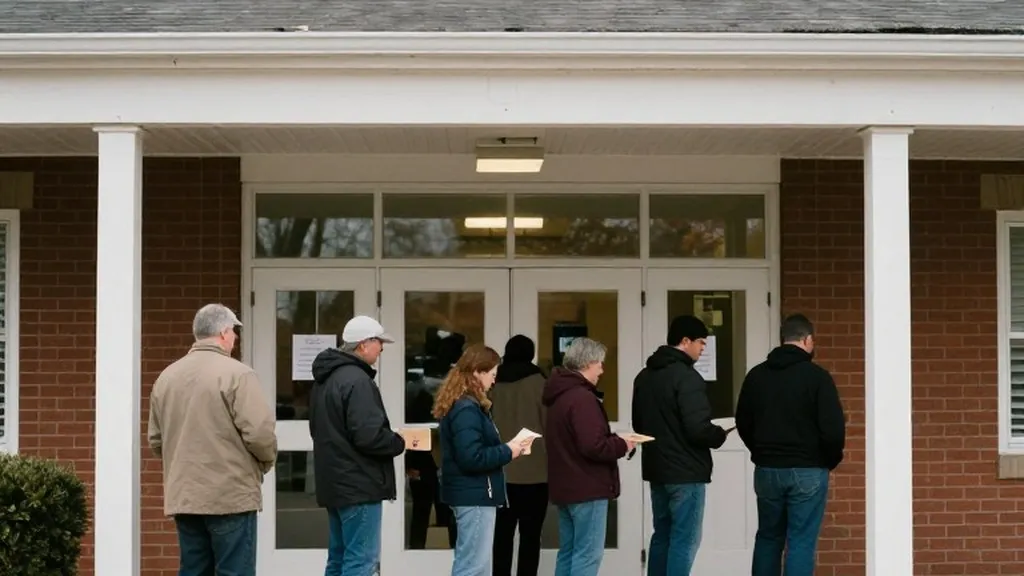
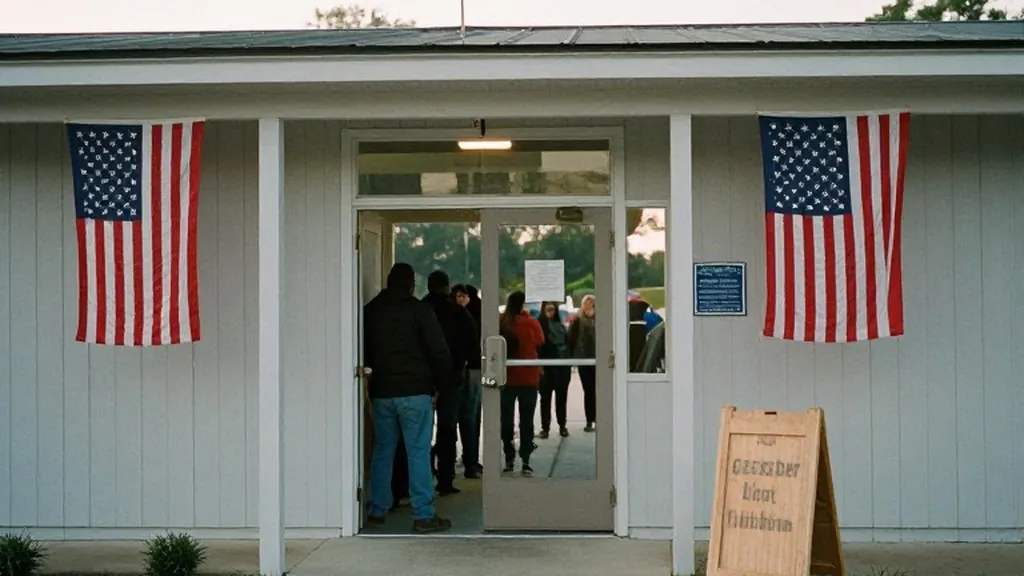
Polls across Guilford County opened at 6:30 a.m. on Tuesday, November 3, for the 2026 midterm elections. Residents of Greensboro, High Point, and Burlington are voting during the state's standard hours, which run from 6:30 a.m. to 7:30 p.m. local time. According to Ballotpedia, anyone in line when polls close is entitled to cast a ballot, a rule designed to accommodate the high turnout expected in this pivotal mid-decade election. Voters are encouraged to find their specific polling place through vote.gov or the state election office, as locations and identification requirements can vary by jurisdiction. The day marks the halfway point of President Donald Trump's second term, with results determining which party controls Congress for his final two years in office.
The most significant race on the North Carolina ballot is for the U.S. Senate, where the seat is open following the retirement of incumbent Senator Thom Tillis. Tillis stepped down after a period of tension with the President, leaving a vacancy in a state that voted for Trump by a margin of 3.3 percent in 2024. The Associated Press identifies this as a key matchup, featuring Democratic former Governor Roy Cooper against Michael Whatley, the former chair of the Republican National Committee. Both parties view this open seat as a critical opportunity to shift the balance of power in the Senate, where Republicans currently hold 53 seats. Democrats need a net gain of four seats to achieve a majority, while Republicans can afford to lose only two seats to maintain their control of the chamber.
In addition to the Senate race, every U.S. House seat in North Carolina is on the ballot. The state is using new congressional maps following the mid-decade redistricting process, a change that Ballotpedia notes applies to six states, including North Carolina. All 435 House seats are up for election nationwide, with Republicans holding 218 seats and Democrats holding 214. Democrats need a net gain of three districts to secure a majority in the House, while Republicans can lose no more than two seats to keep control. Ballotpedia counts 46 battleground districts nationwide, including several in states that are closely watched for their potential to shift the chamber's balance. In North Carolina, the new district lines may alter the competitive dynamics of races that were previously considered safe for one party or the other.
Beyond federal offices, North Carolina voters are deciding on statewide judicial positions and state legislative seats. The state Supreme Court and intermediate appellate courts have elections on the ballot, alongside contests for the State Senate and State House. These races are significant for local governance, as state officials have considerable authority over education, transportation, and tax policy. The Associated Press notes that the election is being viewed as a referendum on the President's performance, with many voters expressing concern over high prices and the conduct of the war with Iran. Polling data from AP-NORC indicates that 35 percent of U.S. adults approve of Trump's job performance, while about seven in ten say the country is heading in the wrong direction. These national sentiments are likely to influence how voters in the Triad cast their ballots for local and state candidates.
North Carolina also features three statewide ballot measures that voters will address on Tuesday. One proposal, a Legislative Referendum Constitutional Amendment, seeks to require the state legislature to pass laws limiting the amount that property taxes may increase. A second measure aims to reduce the maximum allowable income tax rate from 7 percent to 3.5 percent. The third measure would require photographic identification to vote for all voters, not just those voting in person. These constitutional amendments require a majority vote to pass and could significantly alter the state's fiscal and electoral landscape if approved. The inclusion of these measures on the ballot adds a layer of complexity to the election, as voters must consider both candidate preferences and policy changes simultaneously.
The mood in the state reflects the broader national atmosphere, with many voters feeling that the election is a chance to send a message to Washington. The Associated Press describes the election as a moment where voters are struggling with economic pressures, a theme echoed by local residents. James Moore, a 57-year-old librarian in Raleigh, North Carolina, told the AP that he is paying more for taxes, healthcare, and everyday goods. His comments mirror the sentiments of many voters in Guilford County, where the cost of living remains a top concern. The election is also seen as a test for the President's party, which has historically lost seats in midterm elections. Republicans are bracing for a potential loss in the House and are fighting hard to hold the Senate, with one or two seats potentially tipping the balance of either chamber.
Voters in Greensboro, High Point, and Burlington are using various methods to ensure their voices are heard. While early voting has already concluded, with more than 57 million people nationwide having already cast ballots, Tuesday is the final day for in-person voting. The U.S. Postal Service has added hours and staff to ensure that mail ballots are counted on time, a logistical effort that has been critical in recent elections. Critics of the federal administration's plans to prevent noncitizen voting have been active in the state, with a federal judge temporarily barring the administration from carrying out a plan that critics say could disenfranchise eligible voters. This legal development has added a layer of uncertainty to the election, with both parties monitoring the process closely to ensure that every eligible vote is counted accurately.