Inflation Pushes Greensboro Thrifters Toward Higher Price Tags
A&T students report that rising demand and national inflation have increased costs at local secondhand shops, challenging the low-price model that once defined the experience.
By Fatima Saleh ·
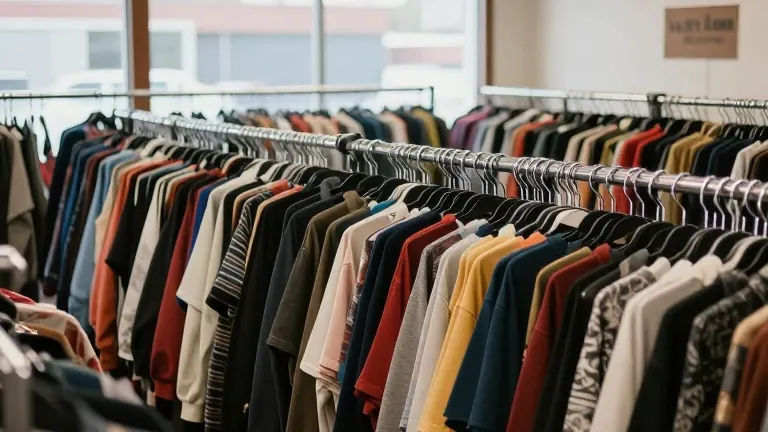
Greensboro residents who rely on secondhand clothing are facing higher costs as inflation continues to affect the local economy. A&T State University student Larrissa Moore noted that price increases in thrift stores are altering the experience for those who use these shops to manage their household budgets.
The Bureau of Labor Statistics reports that the annual inflation rate reached 3.8% in 2026. This economic shift has driven more consumers toward secondhand markets, where items previously sold for low prices now cost more. Moore described the current market as a challenge for individuals who seek affordable options to supplement their income or save on essential purchases.
Khaliah Jones, a junior English student at A&T, observed that the surge in shoppers has pushed prices upward. She stated that she has watched prices for shirts rise from $2 or $3 to $5 or $7. Jones added that while these rates remain lower than those at major retailers like Walmart, the total cost of a shopping trip can accumulate quickly. She cited a recent visit where she purchased eight to nine items and spent $77.
Moore emphasized that the rise in prices affects the core appeal of thrifting for many users. She explained that the activity requires a creative approach to finding value in used items. According to Moore, increasing costs undermine this value for those who view thrifting as a way to find quality clothing without the premium price of new retail goods.
The popularity of secondhand shopping has grown as a response to rising costs in traditional clothing stores. Families and individuals who previously avoided used clothing due to social stigma are now turning to these stores as a necessary financial strategy. This shift has increased foot traffic and demand for specific items, which in turn has influenced how local vendors set their prices.
Jones described thrifting as a method for maintaining personal style while saving money. However, she acknowledged that the current pricing structure makes it difficult to keep total expenses low. The increased visibility of these stores has brought new customers who may not have previously considered buying used, contributing to the higher prices seen on the sales floor.
Moore stated that the current price increases defeat the purpose of thrifting for some buyers. She said that if the cost of secondhand goods approaches that of new items, the financial incentive for shopping at these stores diminishes. The rise in prices is tied to federal and state policy decisions that influence the general cost of living and consumer spending habits.
Source: The A&T Register · original report published
More News · Greensboro news · Report a business · Got a Story?