Local Guides Stress 80 Percent Success Rate for Wood Stain Prep
Experts advise homeowners to spend time on inspection and cleaning to prevent peeling and ensure proper adhesion for outdoor timber.
By Fatima Saleh ·
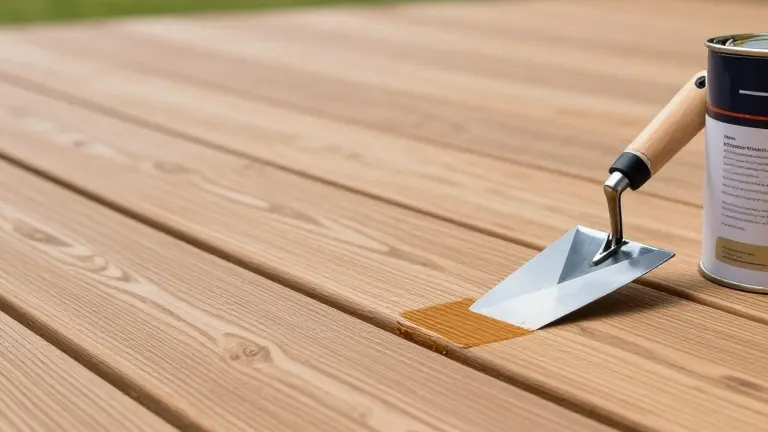
Eighty percent of the final appearance and durability of an exterior wood stain depends entirely on surface preparation, according to local home improvement guidance. The recommendation serves as a warning to homeowners who apply fresh coatings directly over dirty or weathered timber. Skipping these steps often leads to premature peeling and patchy discoloration on decks and other outdoor structures.
The preparation process involves five distinct stages that ensure the new finish bonds deeply with the wood fibers. The first step requires a thorough inspection of every board, railing, and support post. Homeowners must identify soft rot, severe splitting, or structural damage that requires repair before cleaning begins. Damaged boards should be replaced with fresh timber to maintain the safety of the structure. Any raised nail heads or screws must be driven flush with the surface to prevent damage during subsequent sanding.
Once the structure is sound, the next phase involves removing old coatings and surface grey fibers. Old varnish, peeling paint, or weathered layers prevent new stain from penetrating the grain. Applying a finish over these compromised surfaces causes the new layer to flake off rapidly. A special cleaner or stripper removes these worn layers and dead cellulose fibers. This process exposes the clean, natural wood grain underneath, allowing the new stain to adhere evenly across the entire surface.
A deep wash using a specialized timber cleaner follows the removal of old finishes. Clean-looking outdoor timber can harbor microscopic dirt, mold spores, tannin stains, and natural mill glaze. Trapping these contaminants beneath a new finish causes dark blotches and fungal growth over time. The cleaning agents serve four specific functions in this process. They dissolve mill glaze on new timber to open tight wood pores. The formulas kill hidden mold spores that cause black spots under new finishes. They draw out excess surface tannins to prevent dark bleeding from discoloring light-toned stains. Finally, scrubbing removes embedded ground dirt and grease to ensure maximum adhesion for fresh coatings.
After the timber has dried completely from the washing process, the grain often feels rough or raised due to absorbed moisture. Sanding smooths these raised wood fibers and creates an even surface that absorbs stain uniformly. The recommended tool for this step is eighty to one-hundred-grit sandpaper, used along the direction of the timber grain for flat deck boards and railings. Homeowners should avoid oversanding with fine grits, as overly smooth surfaces seal wood pores and prevent stain absorption. All sanding residue must be removed with a stiff broom or vacuum before the final application steps.
The final stage requires allowing the wood to dry completely before applying the stain. Applying wood stain to damp timber is a common error that guarantees premature coating failure. Trapped internal moisture prevents oil-based or water-based stains from soaking into the grain. This trapping causes bubbles, haze, and flaking in the finished product. Homeowners should check weather forecasts to ensure a dry period before and after the staining project. Cleaned timber requires twenty-four to forty-eight hours of drying time under warm, clear conditions. Once the wood moisture level drops sufficiently, the timber is prepared to absorb the new stain evenly and achieve long-term durability.
The guidance emphasizes that proper surface preparation forms the foundation of every successful exterior timber project. Taking the time to inspect, clean, sand, and dry the timber ensures superior stain performance and lasting color. The effort results in an outdoor feature that withstands harsh weather conditions. The advice encourages homeowners to prepare their outdoor boards properly this weekend to achieve a smooth, professional finish. Rushing the project by skipping critical surface cleaning and preparation steps is identified as the primary cause of poor results.
Source: Triad City Beat · original report published
More News · Greensboro news · Report a business · Got a Story?