Greensboro voters choose Senate successor as polls open in NC
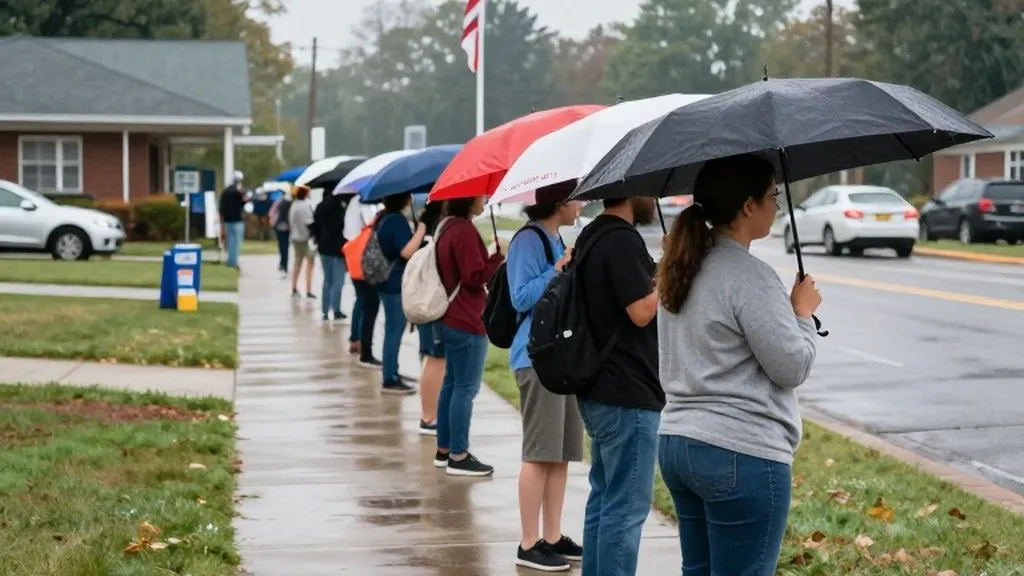
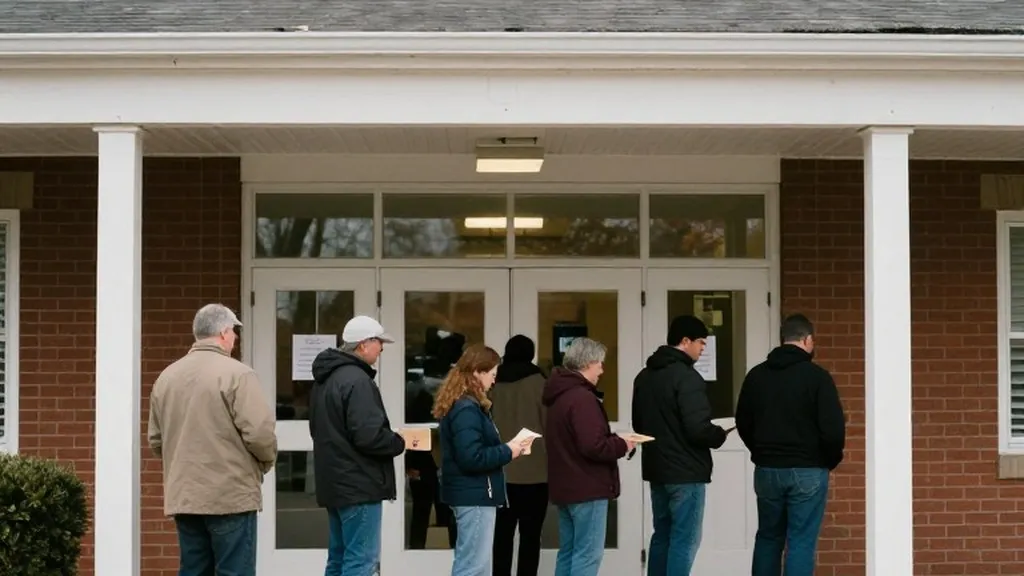
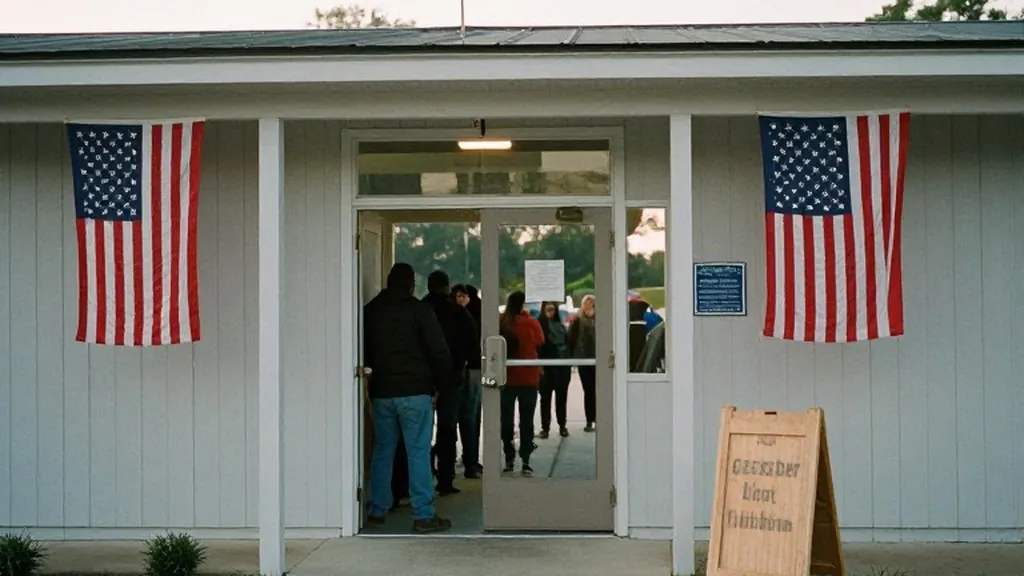
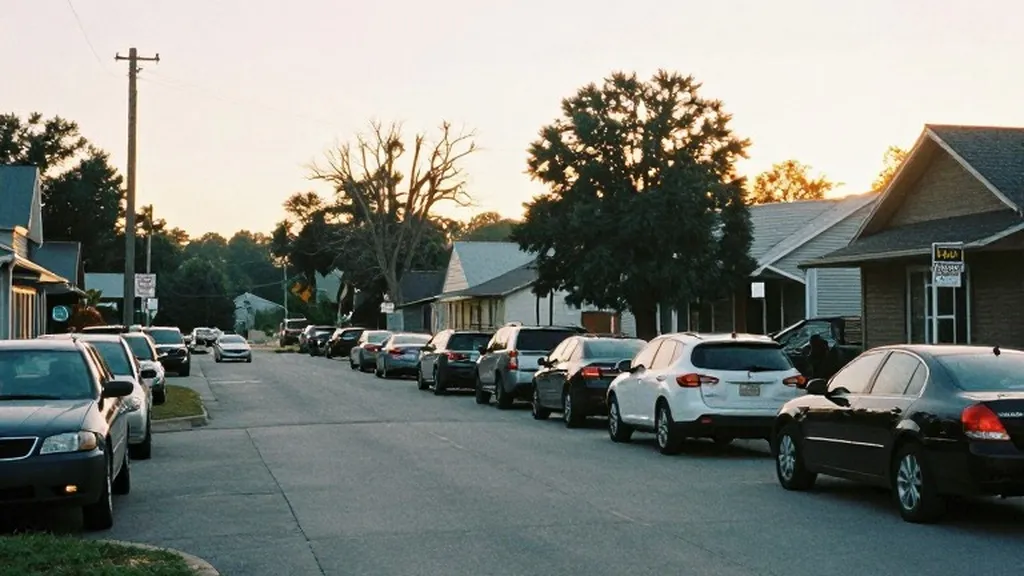
With polls open from 6:30 a.m. to 7:30 p.m., Greensboro residents cast ballots in a competitive open seat race that mirrors a national fight for control of Congress.
By Samuel Hayes ·
Polls in North Carolina opened at 6:30 a.m. on Tuesday, November 3, 2026, with voting scheduled to end at 7:30 p.m. local time. In Greensboro, High Point, and Burlington, voters are heading to the polls to decide the state’s U.S. Senate seat, a position left open by the retirement of Sen. Thom Tillis. According to Ballotpedia, this is an open seat race with no incumbent on the ballot, and the parties competing include the Democrats, Republicans, Greens, and Libertarians. The outcome will determine who joins the U.S. Senate for a term beginning January 3, 2027, a date that coincides with the start of the new congressional session.
The Associated Press identifies the North Carolina Senate race as a key matchup in the national midterm elections, pitting former Governor Roy Cooper against former Republican National Committee chair Michael Whatley. The AP notes that Tillis retired after clashing with President Donald Trump, leaving the seat up for grabs in a state that voted for Trump by a margin of 3.3 points in the 2024 presidential election. Voters in the Triad region are weighing this local contest against the broader backdrop of a referendum on the president’s second term, with many citing high prices and an unpopular war with Iran as primary concerns.
Across the nation, the stakes are equally high as voters seek to determine which party controls Congress for the final two years of the Trump administration. Republicans currently hold 53 Senate seats, while Democrats hold 45, plus two independents who caucus with the Democrats. To gain a majority, Democrats need a net gain of four seats, whereas Republicans can afford to lose only two. The AP reports that Republicans are bracing for the possibility of losing the House, where Democrats need a net gain of three districts to take control, while fighting to hold the Senate.
Beyond North Carolina, voters in nine other states are deciding competitive Senate races that could tip the balance of power. In Georgia, Sen. Jon Ossoff faces Rep. Mike Collins in a state that voted for Trump by 2.2 points. In Ohio, former Sen. Sherrod Brown runs against Sen. Jon Husted in a special election, with the state having voted for Trump by 11.2 points in 2024. In Michigan, an open seat following the retirement of Gary Peters sees former Rep. Mike Rogers competing against Abdul El-Sayed in a state that Trump won by a narrow 1.4 point margin.
Further afield, the Associated Press highlights races in Texas, where Attorney General Ken Paxton faces Democrat James Talarico after Trump backed Paxton over Sen. John Cornyn in the primary. In Maine, Sen. Susan Collins, a Republican, contests the seat against former state Senate President Troy Jackson in a toss-up race that has become competitive due to economic strain and tariffs. New Hampshire voters are choosing between Rep. Chris Pappas and former Sen. John E. Sununu for the seat of retiring Sen. Jeanne Shaheen, in a state that Harris won by 2.8 points in 2024.
Minnesota presents a four-way race for the seat of retiring Sen. Tina Smith, featuring Democratic Lt. Gov. Peggy Flanagan and Republican Michele Tafoya, a former sports broadcaster. Kansas, a reliably Republican state, has become central to the fight for Senate control, with the AP noting its importance in the broader battle. In Alaska, the race is rated as a toss-up to lean Democratic, and the Trump administration has filed a lawsuit related to the certification of the Senate result, adding a layer of legal complexity to the state’s election process.
The mood in polling places is charged by what the AP describes as voter frustration over high prices and anger over the war with Iran. AP-NORC polling indicates that 35% of U.S. adults approve of Trump’s job performance, while about 7 in 10 say the country is heading in the wrong direction. James Moore, a 57-year-old librarian in Raleigh, North Carolina, told the AP, "I'm paying more taxes. I'm paying more for my healthcare. I'm paying more for everything." This sentiment reflects a broader trend of voters looking to the midterms to signal their approval or disapproval of the administration.
More than 57 million people had already voted by Monday, surpassing the early vote totals of four years ago in many closely watched states. The U.S. Postal Service added hours, staff, and special lines to ensure mail ballots are counted on time, a move criticized by some but seen as necessary to accommodate the high volume of mail-in voting. In North Carolina, voters can find their specific polling places at vote.gov, and anyone in line when polls close at 7:30 p.m. is entitled to cast their ballot, ensuring that late arrivals are not turned away.
The Associated Press notes that the 2026 elections are likely to be the most expensive in history, with Republican committees outraising and outspending Democratic committees at the committee level, largely due to Trump-affiliated groups and contributions from Elon Musk. However, at the candidate level, Democrats outraised their opponents. This financial dynamic is playing out in states like North Carolina, where the cost of living and oversight have become central themes. House Democratic Leader Hakeem Jeffries, who would become the first Black speaker if his party takes the House, has outlined a 100-day agenda focused on these issues.
Wall Street is watching the results closely, as Reuters notes that the outcome could add to investor concerns about AI spending and debt ceiling negotiations. The election is not just a local contest for Greensboro and North Carolina but a pivotal moment for the national government. As polls close, the focus turns to the tally of votes that will determine the direction of the country for the next two years, with the Senate race in North Carolina serving as a microcosm of the broader political struggle unfolding across the United States.