Record spending shapes NC ballot as polls open at 6:30 a.m.
Voters in Greensboro and across North Carolina face a historic financial battle in the races for the U.S. Senate and House of Representatives.
By Lauren Foster ·
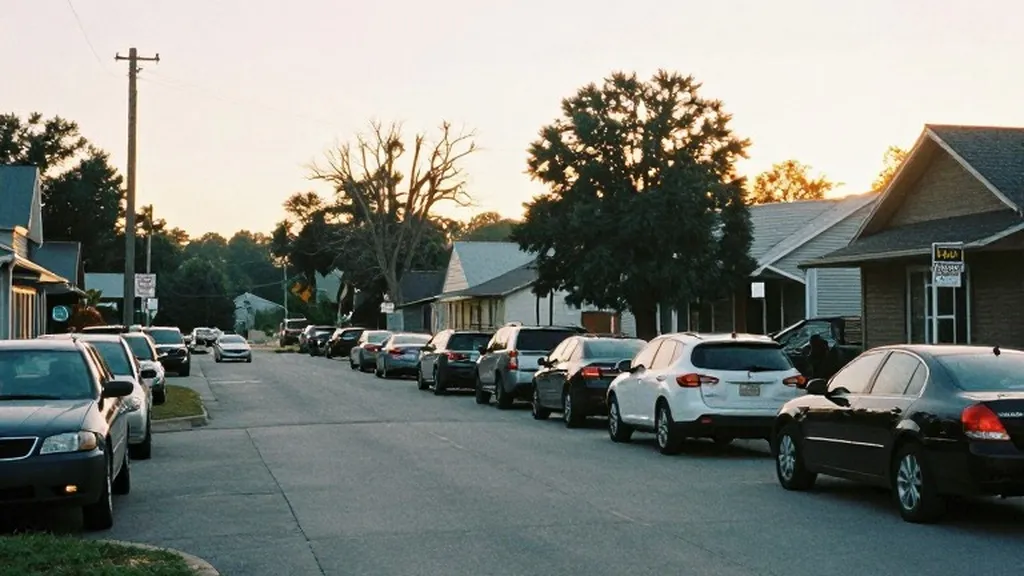
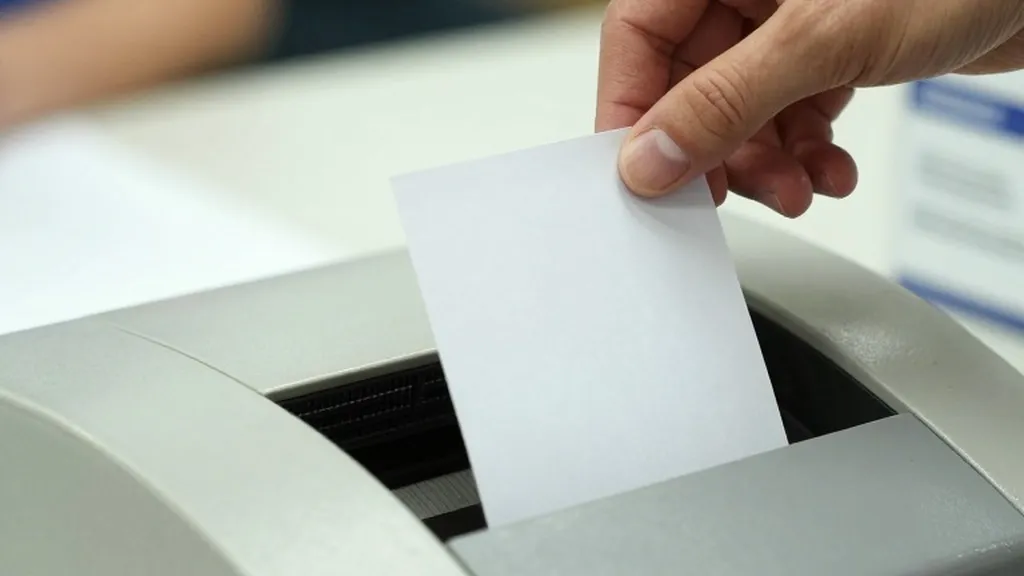
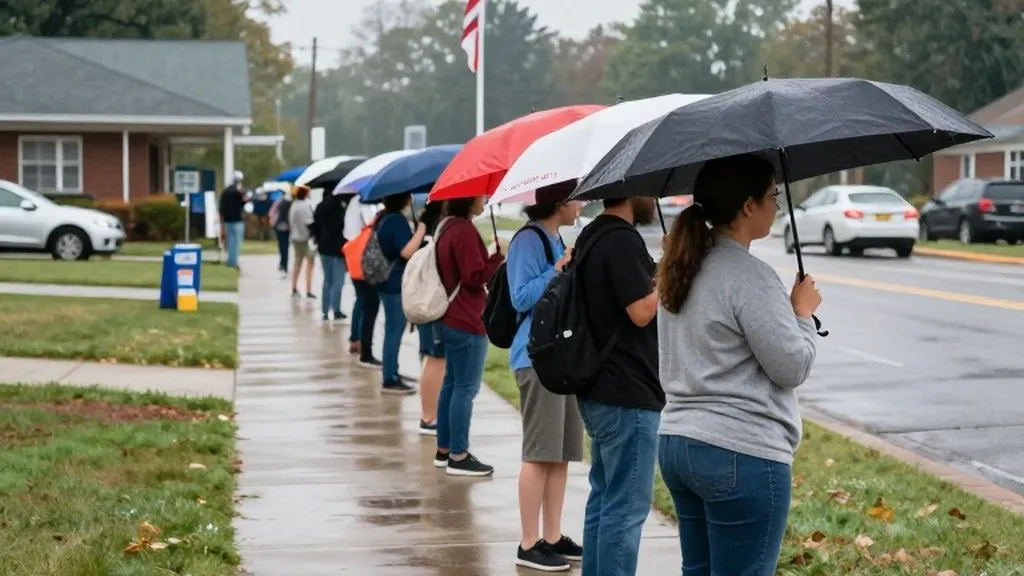
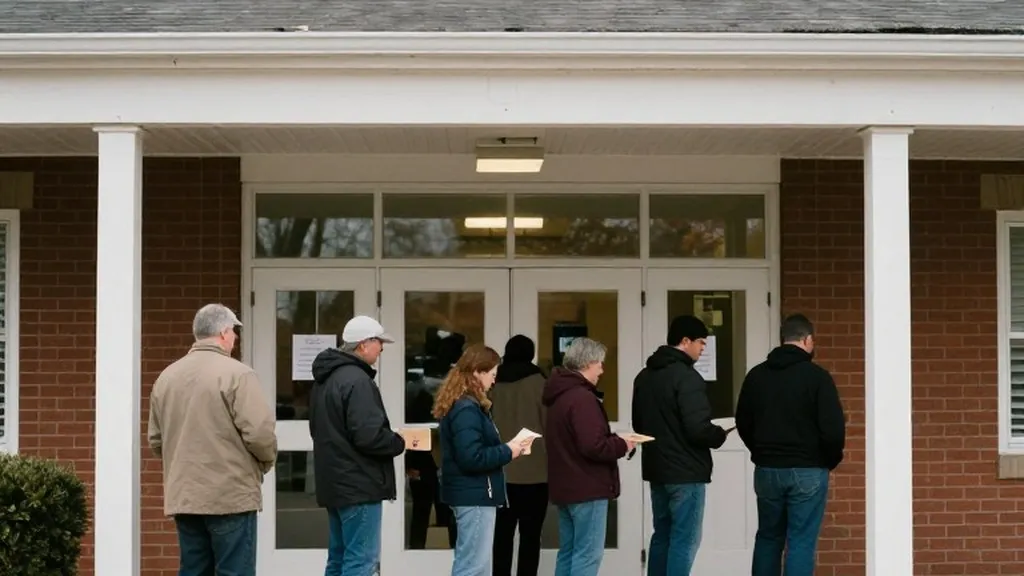
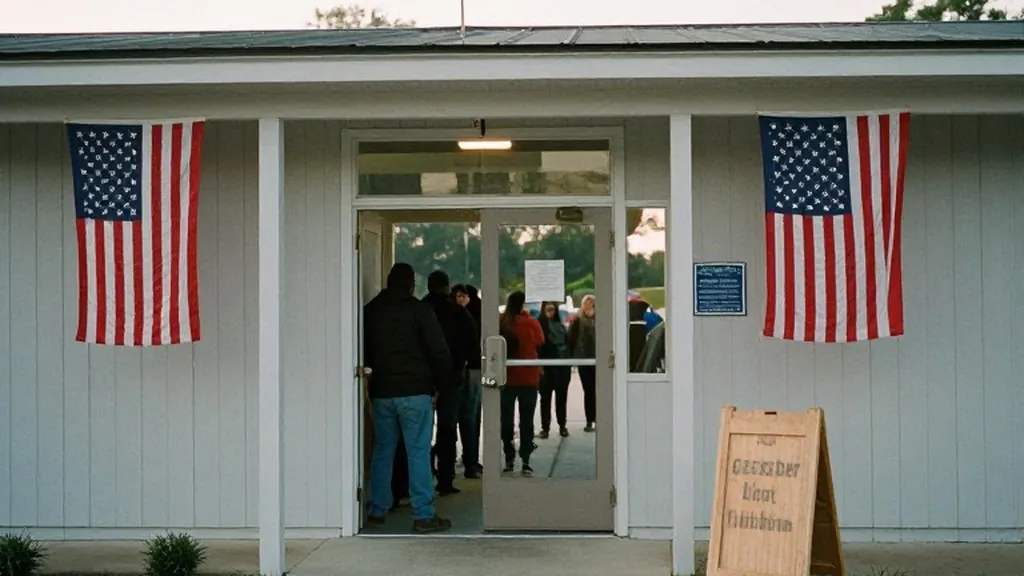
Polls in North Carolina opened at 6:30 a.m. on Tuesday, November 3, 2026, marking the start of the general election. Voters in Greensboro, High Point, and Burlington are heading to the polls to decide the state's open U.S. Senate seat and its congressional delegation. The state's polls remain open until 7:30 p.m., giving residents ample time to cast their ballots. This midterm election occurs halfway through President Donald Trump's second term, with the results determining who controls Congress for the remainder of his presidency. The stakes are high as both parties seek to gain or hold the balance of power in the federal government.
North Carolina voters are deciding the fate of an open Senate seat following the retirement of incumbent Thom Tillis. According to the Associated Press, the race features Democratic former Governor Roy Cooper against former Republican National Committee chair Michael Whatley. The state also elected President Trump in 2024 by a margin of 3.3 percent, making it a critical battleground in the fight for Senate control. In addition to the Senate, every U.S. House seat in the state is on the ballot, along with state and local offices and measures that vary by county. The state's new congressional maps, adopted after mid-decade redistricting, are in effect for the first time in this cycle.
The financial scale of this election has drawn national attention, with the 2026 contests likely to be the most expensive in history. Analysis by the Associated Press of AdImpact data reveals that 88.1 percent of Republican general election TV ad spending went to states and districts that Trump won in 2024. This includes more than 850 million dollars spent in areas where he won by 10 points or more. Despite this heavy spending, the distribution of funds varied between party committees and individual candidates. Republican committees overall outraised and outspent Democratic committees, a trend partly attributed to support from Trump-affiliated groups and Elon Musk. However, at the candidate level, Democrats managed to outraise their Republican opponents in many contests.
Voters in the Triad region are weighing these national financial dynamics against local concerns. The Associated Press describes the election as a referendum on the president's second term, with many citizens struggling with high prices and expressing anger over an unpopular war with Iran. Polling conducted by the AP and NORC indicates that 35 percent of U.S. adults approve of Trump's job performance, while only 25 percent approve of his handling of the economy. About seven in ten Americans say the country is heading in the wrong direction, with most blaming the president for rising costs. These sentiments are resonating with voters in North Carolina, who are evaluating the direction of the nation as they cast their votes.
Early voting numbers have already surpassed those from four years ago in many closely watched states. More than 57 million people had already voted as of Monday, according to the Associated Press. In North Carolina, the state has seen significant participation in the primary and runoff elections that preceded the general vote. The U.S. Postal Service has added hours, staff, and special lines to ensure that mail ballots are counted on time, a measure that is particularly relevant in states with high mail-in voting rates. While North Carolina is not primarily a mail-in state, the federal efforts to secure ballot integrity reflect the broader national focus on election administration and access.
Legal challenges have also shaped the election landscape. A federal judge temporarily barred the Trump administration from carrying out a plan it says would prevent noncitizen voting, a move that critics argue risks disenfranchising eligible voters. Additionally, a judge ordered the administration to stop demanding that California election officials segregate ballots cast by people on lists of suspected noncitizens. These legal developments have added a layer of complexity to the election, with Democrats expressing concern over potential interference and intimidation as the Justice Department threatens to prosecute local election officials. The administration has also filed lawsuits in Alaska and California related to the certification of results, highlighting the contested nature of the electoral process.
Republican and Democratic leaders are offering different perspectives on the day's proceedings. RNC Chairman Joe Gruters stated that everything depends on turnout, emphasizing that if the party can mobilize its voters, they will win. In contrast, DCCC Chair Rep. Suzan DelBene said that the American people are angry and want change. These contrasting narratives reflect the broader strategic differences between the two parties as they fight for control of Congress. The Associated Press notes that Republicans were bracing to lose the House while fighting to hold the Senate, with one or two seats potentially tipping either chamber. Democrats, meanwhile, were described as cautiously optimistic about their chances.
President Trump has been actively campaigning, holding dozens of rallies and ending his schedule Sunday in Salina, Kansas, where he urged voters to pretend he was on the ballot. His recent schedule included stops in Mississippi, South Carolina, and Texas, though many Republican candidates kept their distance during these events. The president has continued to make claims about voting fraud, including the assertion that noncitizens vote in large numbers. His administration's legal actions and public statements have kept the focus on the integrity of the election, with voters in North Carolina and across the country keeping a close eye on these developments as they head to the polls.