New research shows small acts of kindness spread through social networks
A 2012 coffee chain incident in Winnipeg illustrates how generosity can trigger a chain reaction involving 226 customers.
By Fatima Saleh ·
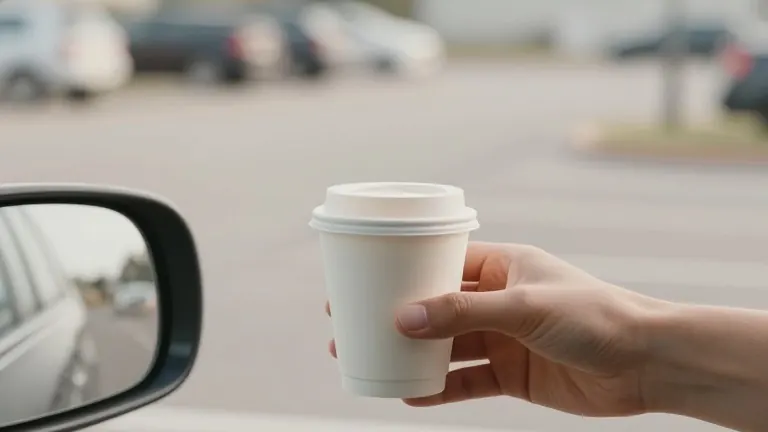
On a cold December morning in 2012, a customer at a Tim Hortons drive-through in Winnipeg, Canada, paid for the next person’s coffee. That person then paid for the car behind them. The chain of small payments continued until 226 customers had each covered the cost of a stranger’s drink. Researchers have since used that specific event to study how generosity moves through groups.
Dr. Junaid Nabi, a physician-scientist at the RAND School in Washington, D.C., compares this dynamic to dropping a stone in water. He says the initial act creates expanding ripples that reach people further away. Nabi cites studies indicating that when someone receives kindness, they become 25 percent more likely to help others. This effect occurs even when there is no expectation of immediate repayment.
The phenomenon is not limited to strangers in line. Maymunah Yusuf Kadiri, a neuro-psychiatrist in Nigeria, recalls a specific night in 2004 at the Lagos State University Teaching hospital. She had been working for over 12 hours without food. An elderly cleaner approached her with a small nylon bag containing a biscuit and water. The cleaner told Kadiri she needed strength to save people. Kadiri says that single interaction reinforced her belief that healing relies on human connection, not just medicine.
Huguette Diakabana, who now lives in Switzerland, traces her career path to a similar small act. At age 10 in the Democratic Republic of Congo, she sat outside a classroom after her family could not afford school fees. A school guard quietly paid her tuition. When she identified him years later, he told her to help others. She launched a scholarship program called The Luminous Agency to fulfill that request.
Marta Serra-Garcia, a professor at the University of California, San Diego, studies why some people hesitate to give. Her research, published in the Journal of Economic Behavior & Organization, found that givers often overestimate the minimum amount recipients want. This fear of giving too little causes some people to give nothing at all. Serra-Garcia notes that this hesitation stems from a desire to be perceived as appropriately generous.
Jeff R. Temple, a psychologist at UTHealth Houston, says kindness can be taught. He works with the Fourth R program, which uses school-based curricula to teach adolescents perspective-taking. Temple argues that students who practice these behaviors are less likely to bully peers because they understand the mechanics of healthy relationships.
Nabi returned to clinical work after volunteering with the Red Cross during the 2013 Savar building collapse in Bangladesh, where 1,040 garment workers died. He says the experience shifted his approach from rushing through tasks to staying present with patients. He now advises doctors to volunteer in humanitarian settings to maintain that level of compassion.
More News · Greensboro news · Report a business · Got a Story?