GOP Lawmakers Face Veto Override Test in Final Weeks of Session
Republican leaders in Raleigh plan to vote on election changes and budget decisions before Democrats take control in January.
By Samuel Hayes ·
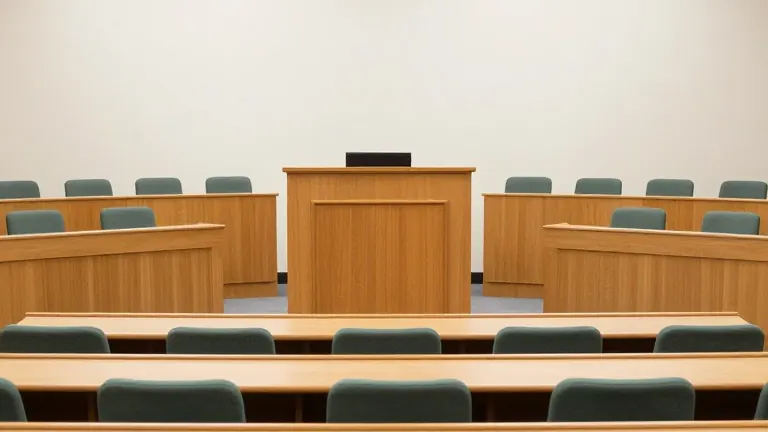
Republican leaders in Raleigh plan to hold floor votes between November 16 and November 20, and again from November 30 to December 18, to finish work on several bills before the new session begins in January. The party holds majorities in both chambers until the end of the year, despite losing its House majority and diminishing its Senate lead in the recent midterm election.
One of the top items on the agenda is a sweeping elections bill that Democratic Gov. Josh Stein vetoed over the summer. The measure reduced early voting in primary elections from 17 days to 10 days. It also allowed Republican Auditor Dave Boliek to conduct post-election audits in randomly selected counties. Stein objected to a provision letting voters challenge ballots cast during early voting for up to three days after Election Day.
Republicans have not announced whether they will attempt to override the veto. They lack the votes to do so without help from lawmakers outside their party. However, the override could pass if one non-Republican joins them or if two members are absent when the vote is called. Unaffiliated Reps. Carla Cunningham and Nasif Majeed of Mecklenburg County have often voted against the governor. Cunningham opposed the bill on the floor, while Majeed was not present for the vote.
The State Board of Elections, which is Republican-controlled, also proposed administrative changes that lawmakers must review. These rules would crack down on amplified noise at polling sites and make it easier for county boards to reject ballots if a voter does not provide photo ID.
Leaders also face a decision on the state’s 41-cent gas tax. Lawmakers suspended the tax last month to help with affordability, a move that cost an estimated $362 million. GOP leaders said the state’s Inflation Reserve Fund would cover the lost revenue to the Department of Transportation. They must decide whether to extend the moratorium or let the relief lapse when they return to Raleigh.
The final weeks also offer an opportunity for Republicans to shift power. After losing its House supermajority in 2024, the party used the previous lame-duck period to reduce the governor’s appointment powers and move election oversight to the state auditor. Lawmakers may look to redraw congressional maps, shift more appointment authority away from the governor, or give the auditor more funding and authority to scrutinize Democrats.
New leadership selections are underway in both chambers. The House Democratic caucus will meet next week to formally pick Robert Reives as speaker. His second-in-command and several whips will also be chosen at that meeting. Reives still needs confirmation by the full House in January. Senate Republicans are considering who will lead the chamber next year. Four senators are vying for the role after Senate leader Phil Berger lost his primary in March: Jim Burgin of Harnett County, Ralph Hise of Mitchell County, Todd Johnson of Union County, and Brent Jackson of Sampson County.
If the Senate Republicans cannot reach a consensus on a leader, the decision could be delayed until the first day of the new legislative session. That session is set to begin on January 13.
More Politics · Greensboro news · Report a business · Got a Story?