Nashville Cuts Grocery Tax by 0.5 Percent
Mayor Freddie O’Connell’s budget measure lowers local levies on food items, a move criticized by some council members as insufficient for the average family.
By Lauren Foster ·
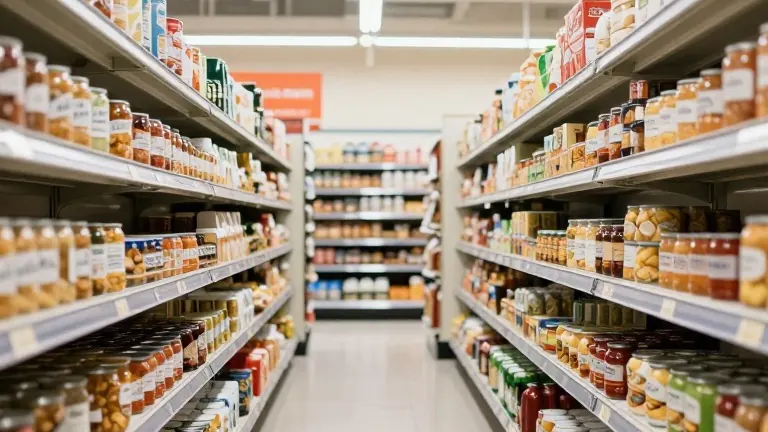
Nashville shoppers will see a slight decrease in their grocery bills starting Nov. 1. The city will reduce its local grocery tax by 0.5 percent, a change that takes effect one day before the weekend. Mayor Freddie O’Connell proposed the measure months ago, and the Metro Council voted to approve it in June as part of the 2027 budget. The reduction removes a portion of the local-option tax that currently sits at 1.75 percent.
The city estimates that this specific tax line generates approximately $9 million in annual revenue. O’Connell acknowledged the financial trade-off on Friday, describing the cut as a necessary step to provide immediate economic relief to residents. He noted that while the city has limited tools to fund public services, this action offers a broad-based benefit to households.
The decision arrives as affordability becomes a central issue in the state’s upcoming gubernatorial election. Democratic candidate Jerri Green has made ending the grocery tax a key campaign promise. Meanwhile, Republican legislators in the statehouse recently rejected a bill that would have eliminated the regressive tax on daily essentials entirely. The state currently adds 4 percent to groceries and 7 percent to prepared foods, leaving the local 0.5 percent cut as a small adjustment within a larger tax structure.
Some Metro council members questioned whether the savings justify the loss of public revenue. At-Large Councilmember Quin Evans Segall argued in June that a blanket tax cut benefits those buying premium items like wagyu steak while doing little for families struggling with rent. She estimated the savings at roughly $72 per year for a typical household, a figure that critics say is minimal compared to rising costs for housing and transportation.
O’Connell defended the move by comparing it to the city’s successful 2024 transit referendum, which raised sales taxes by 0.5 percent to fund transportation projects. He maintained that even small savings matter to families. The mayor also called on state leaders to continue reducing grocery taxes, expressing a preference for the policy to be handled at the state level rather than through local budget decisions.
Source: Nashville Scene
More Business · Scam Watch · Report a business · Got a Story?