Moreno replants frailejon in Monguí highlands
A local farmer leads volunteers to plant seedlings in a state park at 11,000 feet to restore water sources in the Andes.
By Samuel Hayes ·
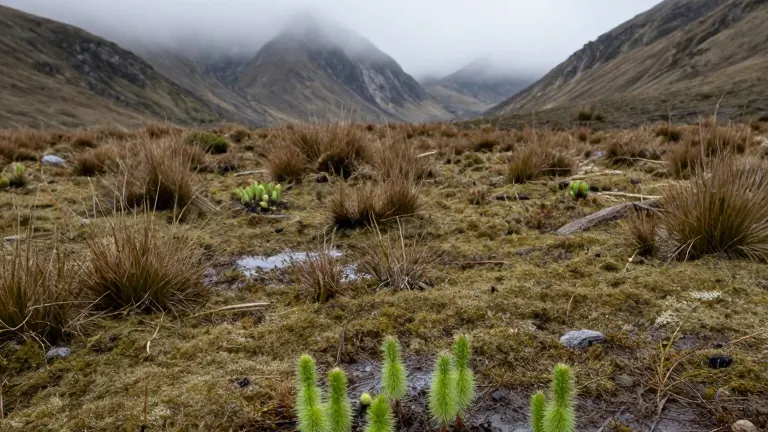
Moisés Moreno leads a group of volunteers up a damp trail in the Andes Mountains.
The group hails from Bogotá and other parts of Colombia. They carry six-inch frailejon seedlings in their hands. The destination is a state park near the town of Monguí in central Colombia.
The frailejon is a plant related to the sunflower. It grows in high mountain wetlands called páramos. The wooly fuzz on its leaves absorbs water from cloud cover. This process feeds major rivers in the country.
Mauricio Diazgranados, chief science officer at the New York Botanical Garden, says two-thirds of the nearly 150 frailejon species are at risk. Seventeen species are endangered, according to his assessment. He describes the plant as a keystone species for water production.
Moreno, 53, runs a greenhouse at 10,000 feet elevation. He used to be a potato farmer and cattle rancher. He and his neighbors cut down frailejons to clear land for crops and livestock.
We viewed them as a nuisance, Moreno said. He later worked for a coal mine. A cave-in injured him, and he decided to work above ground in the fresh mountain air. He began studying the páramo ecosystem and started his greenhouse operation.
Climate change and agricultural expansion threaten the plants. Invasive species now survive at higher altitudes. Farmers and miners push further into the Andes. Colombia's National Parks agency and its armed forces have joined reforestation efforts after wildfires scorched thousands of acres.
Many Colombians know the plant through Ernesto Pérez, a popular cartoon character shaped like a frailejon. The character promotes conservation of Andes flora and fauna. Nicolás Coronado, 25, said the character's theme song introduced him to the plant. He works for a plastics company in Bogotá.
The hike reaches an altitude of 11,000 feet. The path passes streams, waterfalls, and lagoons. The ground underfoot is spongy. Barbed-wire fences and a half dozen cows graze on the mountainside nearby.
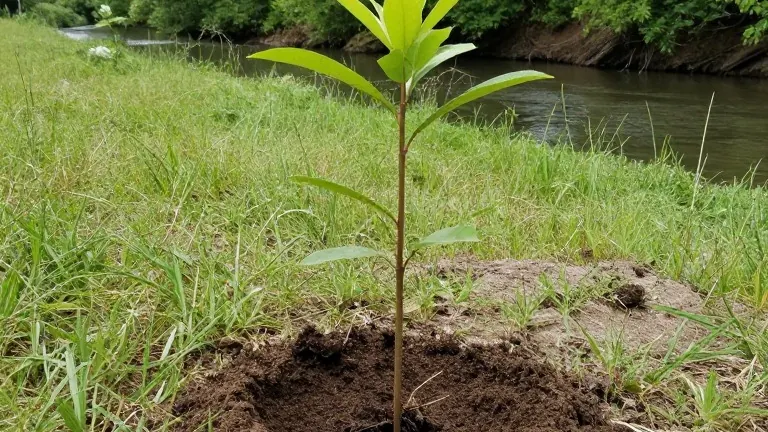
Moreno and his assistants show the volunteers how to dig shallow holes. They add shredded tobacco as fertilizer. The volunteers plant the seedlings in the soil. Many of the plants die in the cold climate. Those that survive grow only a few inches per year.
One volunteer, biologist Julieta Barba, named her plant Gerry in honor of her mother. The group held a brief ceremony before planting. One member recited a prayer to the mountain spirits. Another blew on a conch shell.
The Muisca Indians, who once lived in the area, considered the plants sacred guardians of the water. Diazgranados said he became captivated by the plants when he first saw them as a teenager in Colombia.
More News · Greensboro news · Report a business · Got a Story?