Modi, Zelenskyy Discuss India's Black Sea Food Corridor Plan
New Delhi proposes a mediation framework ahead of US-brokered talks in Abu Dhabi, aiming to protect shipping and energy infrastructure.
By Fatima Saleh ·
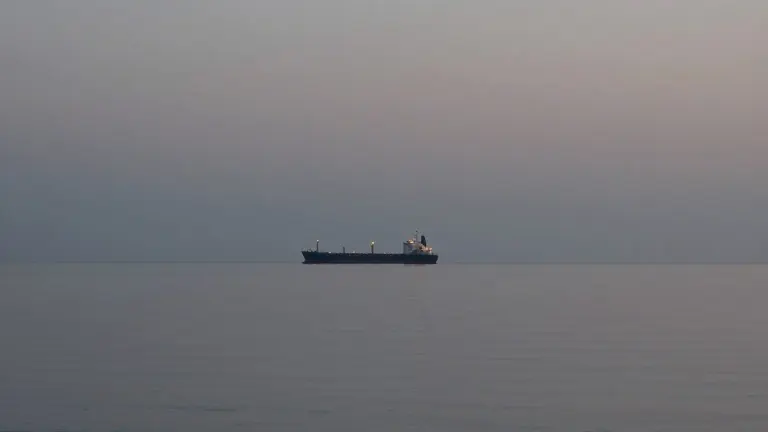
Indian Prime Minister Narendra Modi and Ukrainian President Volodymyr Zelenskyy spoke by phone on Monday. Zelenskyy confirmed afterward that India is ready to help secure food corridors in the Black Sea.
The announcement came just before Russian and Ukrainian delegations are scheduled to meet in Abu Dhabi. US officials will mediate those talks, which will be the first face-to-face negotiations since a pause began nine months ago. The timing suggests an effort to layer new diplomatic channels onto the existing US-led process.
New Delhi has not published a formal document detailing the proposal. However, officials have been in contact with both Kyiv and Moscow for several weeks. External Affairs Minister Subrahmanyam Jaishankar spoke with Russian Foreign Minister Sergey Lavrov on Monday. Their conversation centered on the war and active diplomatic initiatives.
Ukrainian Foreign Minister Andrii Sybiha described the Indian concept as the most comprehensive among current proposals. He noted that it covers both shipping lanes and energy infrastructure. The US plan, by comparison, focuses primarily on energy facilities. Earlier in October, Ukraine received ceasefire drafts from India, Turkiye, Egypt, and the United States.
India has direct economic reasons to push for stability. The nation is the largest global importer of vegetable oils and relies heavily on Russian and Ukrainian sunflower oil. Disruptions have already impacted trade, with five Indian nationals killed and two missing in the region as of November 3. Sunflower oil imports dropped to a four-year low in September.
The conflict has severely curtailed regional exports. Before the 2022 invasion, a third of global grain exports moved through the Black Sea. Ukraine’s Ministry of Agriculture cut its export forecast for the 2026-27 season by more than half. By mid-August, attacks on shipping had shut down over 97 percent of the region’s grain export capacity.
India’s position as a broker rests on its relationships with both warring sides. New Delhi has summoned representatives from both countries to address incidents involving Indian citizens. It is also a major buyer of Russian crude and Ukrainian oil, giving it commercial leverage. However, New Delhi has not publicly confirmed the specific details of the mediation offer, leaving questions about the depth of its commitment.
Ukraine has raised doubts about Indian neutrality because of its continued purchases of Russian oil. India also lacks a physical presence in the region, meaning it would need partners for ships, insurance, and inspections. The Kremlin describes the Abu Dhabi talks as trilateral, with Washington as the sole mediator. A new corridor would require both sides to stop attacks, a shift from the 2022 agreement that Russia left in 2023.