Kuwait Drone Strike: Italy Blames Iran for Deaths of Two Technicians
Rome attributes the fatal strike in Kuwait to Iranian drones, though Tehran denies responsibility and points to a strategy to draw Europe into the conflict.
By Samuel Hayes ·
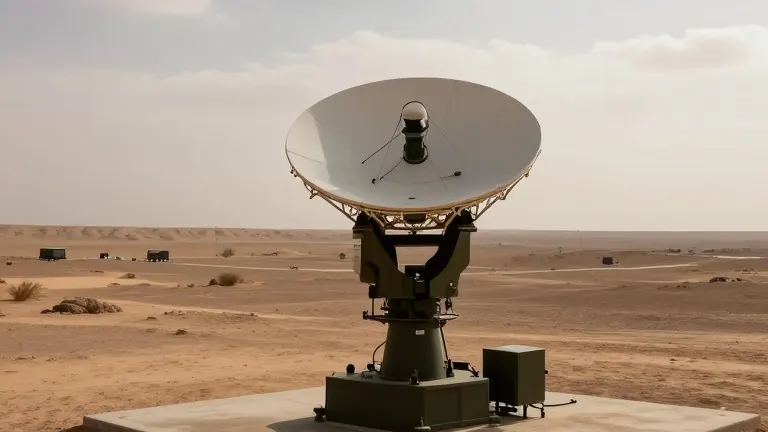
Two Italian citizens died on Thursday when a drone struck a military site in Kuwait. Antonio Saccoccio, 65, and Emanuele Lo Russo, 36, worked for a European defense company maintaining detection antennae for a Skyguard air defense system. Antonio Tajani, Italy’s foreign minister, said the men were killed by shrapnel from an intercepted drone.
Rome has attributed the attack to drones of Iranian origin. Tajani noted that while the drones came from Iran, militias aligned with Tehran in other countries could have launched them. The Italian government has not yet decided on military retaliation or new sanctions against Tehran.
Tehran officials have denied responsibility for the strike. Abbas Araghchi, the Iranian foreign minister, called the incident a pre-cooked recipe for war. He offered condolences to his Italian and Kuwaiti counterparts. Abolfazl Shekarchi, the armed forces spokesman, said the accusations are a cover for maintaining hostilities and increasing regional insecurity. He cited a history of false flag operations by the United States and Israel.
Riccardo Alcaro, a research coordinator at the Istituto Affari Internazionali in Rome, suggested that Iran’s denial serves a dual purpose. If the drone was launched by an Iraqi pro-Iranian group, the goal was likely to weaken Kuwait’s defenses ahead of a new confrontation with the United States. By denying direct responsibility, Iran avoids being seen as the aggressor while challenging the rationale for future US-Israeli strikes.
State-aligned circles in Tehran have also implicated Ukraine in the incident. This shift in blame follows a Ukrainian attack on two Russian vessels in Libya earlier in the week. Foad Izadi, an associate professor at the University of Tehran, argued that European leaders bear responsibility because of their support for US military operations.
Izadi referenced statements by NATO Secretary General Mark Rutte, who confirmed that up to 5,000 US military sorties originated from European bases in support of Operation Epic Fury between late February and mid-April. Rutte noted that approximately 500 of those flights took off from Italian bases. Italy’s Defense Ministry has maintained that it authorized only routine logistical and technical operations, not combat missions.
The association between Italian bases and the conflict has become politically sensitive. Public opinion may begin linking incidents in the Middle East to the war launched by the United States and Israel in late February. That conflict has already disrupted global energy supplies and increased fuel prices.
Iranian state media have echoed the official denials. The reformist newspaper Mardom Salari framed the event as a false flag operation during a period of no war and no peace. The state-linked Jomhouri-e Eslami newspaper warned hardline factions against launching preemptive strikes. It argued that US and Israeli spy agencies are seeking an excuse to restart large-scale combat.
Ursula von der Leyen, the European Commission president, stated that the bloc must increase pressure on Iran to stop attacks on Kuwait and other Arab allies. European nations with companies operating at military bases in Kuwait are expected to review security protocols for their personnel.