Europe's EES System Now Logs 150 Million Traveler Entries
The automated border control system requires biometric data from non-EU visitors and has flagged over 43,000 refusals since its full launch in April.
By Lauren Foster ·
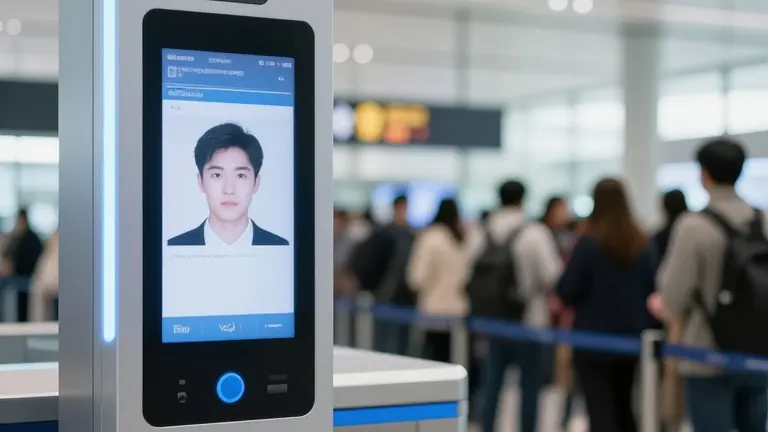
The European Entry/Exit System, or EES, has processed more than 150 million entries and exits as of August 6, 2026. The system reached full operational status at all external Schengen borders on April 10, 2026, after a phased rollout that began on October 12, 2025. It now applies to all non-EU nationals entering the region for short stays.
Under the new protocol, border officers capture passport details, facial images, and fingerprints during a traveler's first entry. Subsequent visits involve a database check rather than new data collection. This automated process replaces physical passport stamps and calculates the permissible 90 days within any 180-day period. Software now flags overstays, removing the need for officers to manually count entry marks.
Citizens of the EU, along with nationals from Iceland, Liechtenstein, Norway, and Switzerland, are exempt from registration. The European Commission reported that refusals of entry exceeded 43,000 by May 2026. The figure reflects instances where travelers failed to meet entry requirements under the automated system.
A temporary grace period that allowed member states to reduce checks during peak times ended on September 6, 2026. Although some countries received additional time to adjust, long wait times remain a primary concern for travelers. The airport industry group ACI EUROPE and the airline association A4E reported five-hour waits during the summer peak period.
Travelers are advised to build extra time into connections at their first point of entry into the Schengen area. Using the official Travel to Europe app to pre-register up to 72 hours in advance can also reduce processing delays. Individuals making repeat trips must manually track their days spent in Europe to avoid automatic flags for overstaying.
Wendy Anwar, Chief Marketing Officer of the travel booking platform Airpaz, noted that while documentation varies by passport type, the biometric step is universal for non-EU visitors. "Knowing which rules apply to your passport, and keeping your plans flexible, makes that first entry far smoother," Anwar said. Airpaz, which operates in 57 currencies and 38 languages, encourages customers to verify entry requirements through official government channels before booking.
The system now serves as the primary gatekeeper for short-stay visitors, integrating biometric data with automated stay calculations. With the grace period concluded, the process has become a fixed requirement for the vast majority of international arrivals in the region.