FBI, Coast Guard Investigate Cyber Hacks on 50 Commercial Ships
Federal officials suspect Iranian hackers exploited known software flaws to access critical systems on vessels heading to U.S. ports.
By Fatima Saleh ·
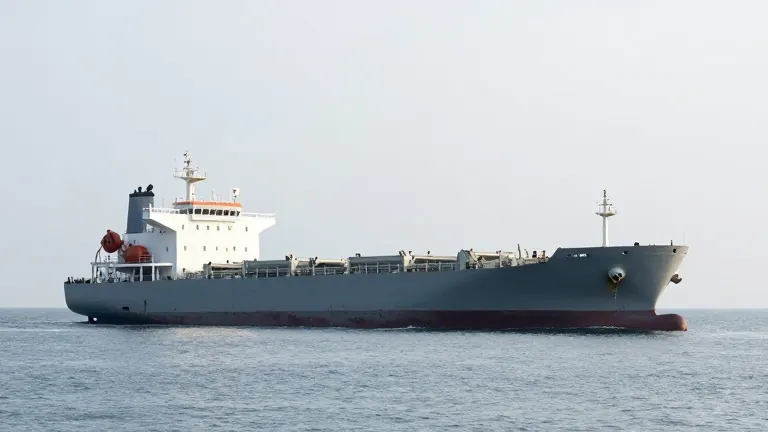
The U.S. government is investigating whether Iranian hackers compromised up to 50 commercial shipping vessels. Federal officials are treating the series of cyberattacks as a potential continuation of Iranian cyber operations against global infrastructure during the ongoing war with the United States.
According to a U.S. official familiar with the matter, the breaches exploit known vulnerabilities in Fortinet FortiGate devices. These devices manage firewalls and virtual private networks and are frequently used in the maritime industry. In September, the Coast Guard and FBI released a cyber bulletin warning the industry that threat actors were scanning for these unpatched vulnerabilities to gain a foothold.
Once inside the ships' IT systems, hackers pivoted to operational technology that controls physical processes. The official said bad actors could have impacted systems that manage propulsion, steering, navigation, and cargo management. While the government did not share examples of these specific systems being tampered with, the potential for disruption is high.
The Coast Guard and FBI first partnered in August to address these threats. A "highly specialized team" from both agencies boarded two foreign commercial vessels in the Gulf of America that were heading to U.S. ports. A joint statement from the FBI and Coast Guard noted that the captain, crew, and shore-side corporate staff helped mitigate the threats. Both agencies reported no current evidence of operational disruptions, vessel instability, physical danger to crews, or environmental impacts.
Employees aboard some of the affected ships noticed signs of the intrusion. These included email disruptions, login failures, or extended communications blackouts. The U.S. official declined to explain how the government determined the full extent of the breaches across the sector. However, the investigation includes dozens of other ships in international waters that officials believe have been compromised.
Among the targeted vessels was at least one LNG tanker designed to transport liquified natural gas. Maintaining specific temperatures is critical for this cargo to prevent dangerous accidents involving explosive materials like chemicals and fuel. The official described the situation as a new paradigm for tankers, which are now networked in ways that expose them to digital threats.
A former Navy official, who requested anonymity to discuss internal operations, said national security leaders had tracked the possibility of exploiting operational technology on Navy and Merchant Marine ships for years. The official stated that this long-standing fear is now coming to fruition.
Officials are working to spread awareness of the vulnerability of internet-connected devices linked to critical processes. The U.S. official emphasized that these are not sophisticated attacks but rather exploits of known vulnerabilities that could be mitigated with basic cyber hygiene. The Coast Guard noted that modern ships are highly integrated systems where a cyberattack presents risks including collision, grounding, oil spill, or explosion.
Commercial vessels have undergone physical security reviews entering the United States since the Sept. 11 terrorist attacks. Now, digital threats are becoming a primary concern as adversaries can break in from afar. The Coast Guard regularly publishes bulletins on cyber vulnerabilities and actions vessel owners can take to secure their networks.
Officials are bracing for a busy holiday shipping season as they investigate any ship entering U.S. ports that could be compromised. The U.S. official pointed out that people often take the marine transportation system for granted until a problem delays cargo. "I wish more Americans knew how complex this system is," the official said.
More News · Greensboro news · Report a business · Got a Story?