Judge Orders Fulton County to Send 2020 Ballot Data to Election Board
Fulton County Superior Court Judge Kelly Lee Ellerbe set a 5 p.m. deadline for the county to deliver digital copies of seized ballots to the Georgia State Election Board.
By Lauren Foster ·
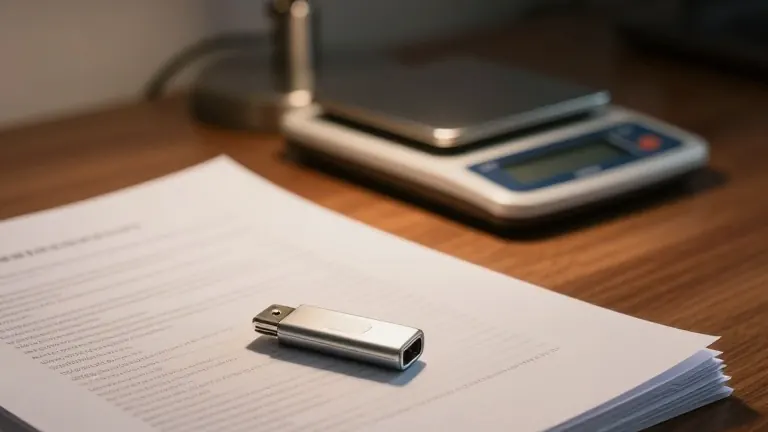
A state judge has ordered Fulton County to hand over unredacted digital copies of 2020 ballots to the Georgia State Election Board. The records were originally seized by the FBI. Judge Kelly Lee Ellerbe issued the directive on Tuesday, ending a two-year legal dispute over the documents. The county must deliver the files on flash drives by 5 p.m. Eastern Time on Wednesday, the day before Thanksgiving.
The election board, which sets and enforces Georgia’s election rules, has been led by Trump-allied activists for some time. Members of the board have argued that widespread voter fraud occurred in the 2020 presidential race. Former President Joe Biden won that contest in Georgia. The board first subpoenaed the ballots in 2024, several months after it completed an investigation into Fulton County. At that time, Trump allies had just taken control of the panel.
The process stalled when the FBI seized 600 boxes of 2020 ballots and related election records in January. Subpoenas were placed on hold until this fall. In December 2025, a state judge ruled that the board could access the records but would be responsible for the costs. The county is now required to share a digital record created by the FBI from the seized physical documents. The board will pay $500 for the request.
Judge Ellerbe included specific limits in her order regarding who can view the records. The State Election Board and Fulton County officials did not immediately respond to requests for comment on Tuesday night. The $500 fee is a minor expense relative to the board's long-standing interest in obtaining the files.
Fulton County, home to Atlanta, was a central focus of President Donald Trump’s claims that the 2020 election was stolen. The president frequently criticized the county’s Democratic voter base. Multiple inquiries and reviews have examined the 2020 election results. None have found evidence of widespread fraud or a conspiracy, though some administrative errors have drawn criticism from skeptics.
The Justice Department has spent much of 2026 attempting to verify Trump’s claims of a stolen election. Federal prosecutors have dedicated substantial resources to the effort. The department has struggled to substantiate the president’s insistence on widespread voter fraud. Instead, federal agents have indicted a small number of individuals who voted without holding U.S. citizenship.