US Stalling Lets Iran Rebuild Arsenal and Threaten Gulf Oil
Analysts say Washington's delay has shifted the advantage to Tehran's hardliners, who now leverage the Strait of Hormuz and regional proxies to pressure the US.
By Lauren Foster ·
US President Donald Trump is facing a strategic trap set by the Iranian regime, according to analysis of the current geopolitical situation.
The report argues that the administration is undermining the gains from Operation Roaring Lion by allowing Tehran to consolidate its power.
Washington had assumed that economic sanctions, a naval blockade, and threats of further strikes would force Iran to the negotiating table.
Instead, the pressure has turned the Iranian government into a desperate actor that is preparing an ambush against American forces.
When Trump showed hesitation about launching another military campaign, hardliners in Tehran gained control over pragmatists.
These hardliners are now pursuing a hawkish approach and refusing to meet US demands, even as the Iranian economy collapses.
Iran holds three strategic advantages that neutralize the American military edge.
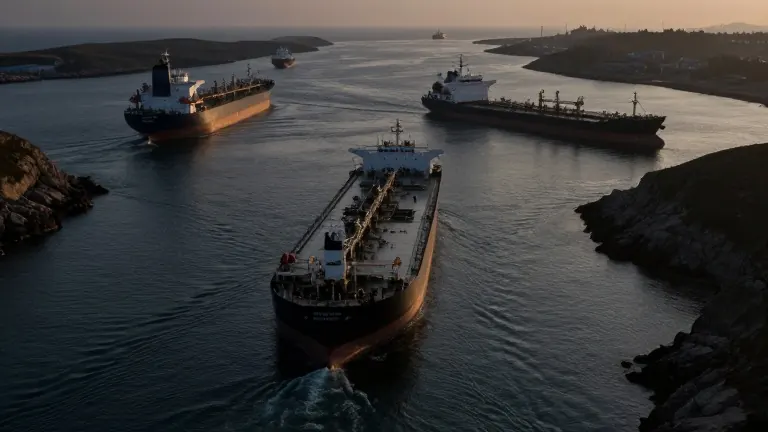
The first is the Strait of Hormuz, where Iran can disrupt oil tanker traffic with relatively simple means.
The second is the vulnerability of approximately 50,000 US soldiers deployed at bases across the Middle East.
These troops are exposed to Iranian fire, which could inflict heavy casualties on personnel and damage advanced weapons systems.
The third advantage is Iran's arsenal of missiles, rockets, drones, and unmanned aerial vehicles.
This stockpile was replenished after the ceasefire and directly threatens the oil facilities of Washington's Gulf allies. Combined with regional proxies, these assets create a direct threat to US partners in the region. The White House is currently trying to buy time to wear down the Iranian economy without escalating into a large war. This tactic allows Iran to play a double game, gradually breaking rules while keeping the door open for dialogue. Iran can choose between controlled escalation that erodes American deterrence or a surprise military move to break the blockade. Israel faces a strategic dilemma as it watches the US stall. Unlike Washington, which can wage a war of attrition from afar, Israel is at risk if the delay continues. Every day Trump avoids a decisive outcome is a day Iran uses to rebuild its missile arsenal. Tehran is also consolidating its position as a nuclear threshold state during this period. Israel is now under pressure to decide whether to keep waiting for Washington or to launch a preemptive move against Iran. The next phase of the crisis will depend on whether the US commits to a decisive military outcome or continues to rely on economic pressure.