Kenya weighs rare earth mining near sacred forest
Five companies bid for Mrima Hill, where local farmers and elders worry about displacement and the burial of their ancestors.
By Lauren Foster ·
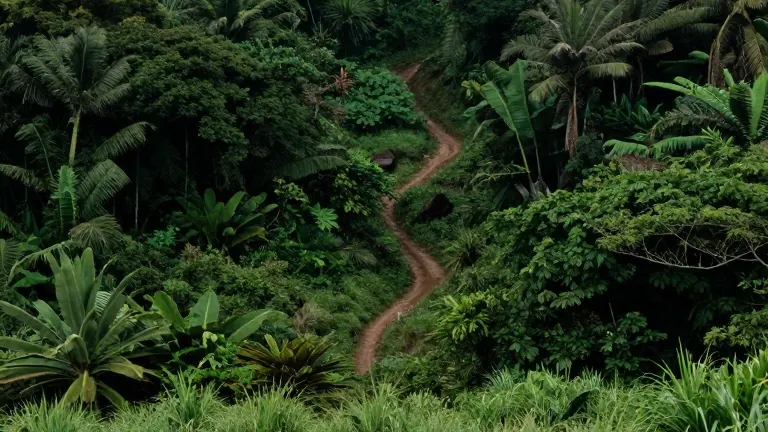
A coastal forest in Kenya is becoming the center of a national push to secure critical minerals, creating tension between economic goals and local traditions. The government is evaluating five proposals to mine niobium and rare earth elements beneath Mrima Hill, an area where residents say their ancestors are buried.
Minister Hassan Joho told The Associated Press that a technical committee is reviewing the bids and expects to name a winner within two to three weeks. He said Kenya aims to increase mining's share of gross domestic product from about 1% to 10% within ten years. In 2013, estimates projected the project could generate $62 billion in gross revenue over 23 years, a figure that excluded development and operating costs.
Local residents say they have received limited information about the scope of the work or its impact on their livelihoods. Justus Mwero, chairman of the Mrima Farm Owners Community-Based Organization, represented about 500 registered farmers in the area. "We haven't been informed about the process at all," Mwero said. He noted that farmers rely on the fertile soil for their survival and fear that relocation to less productive land could lead to hunger.
The site holds deep cultural importance for the Digo community, who view the forest as a kaya, a sacred grove where ancestors rest. Masoud Suleiman Mwarizo, chairman of the Mrima Hill Digo Community Trust, stated that the group will refuse any digging of the hill. The trust, formed in 2025, was created to defend community interests. The forest was designated a national monument in 1992, though the National Museums of Kenya did not respond to a request for comment.
Bidders include an Australian consortium led by RareX and Iluka Resources, which submitted a proposal on Oct. 21. Critical Metals Corp., listed on Nasdaq, said its group was shortlisted in July. The government has not disclosed the nationalities of all bidders, citing confidentiality. A legal challenge to a proposed Kenya-U.S. agreement regarding the minerals is pending, with a ruling on jurisdiction scheduled for Nov. 6.
Under Kenya's Mining Act, a license holder must sign a community development agreement and compensate landowners before mining begins. Harry Kimtai, principal secretary at the Mining Ministry, said the government will monitor compliance and help explain residents' rights. Residents still await details on the extraction method, with some asking whether the work will be open-pit or underground.
RareX said its proposal includes securing community support and protecting cultural heritage before operations start. The company also proposed further study to determine if underground mining is viable. No court order currently blocks the implementation of the government's plans.