Gary Residents Receive Community Aid After FEMA Delays
Chicago organizer Nita Tennyson delivered supplies to Indiana families while federal assistance remained limited following the August derecho.
By Samuel Hayes ·
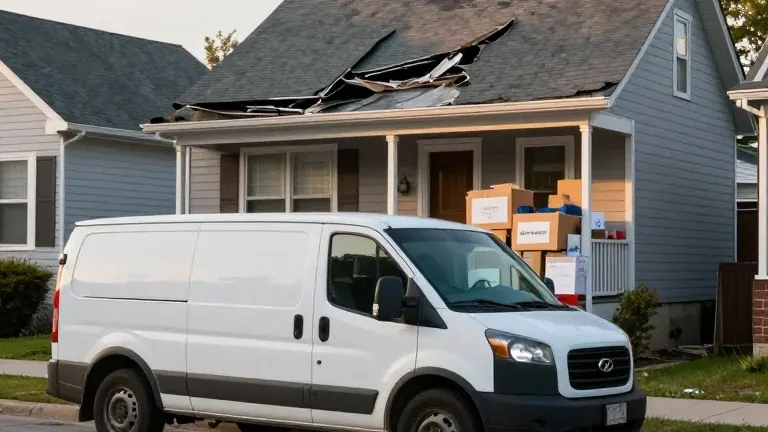
The August 11 derecho that struck Northwest Indiana brought wind speeds of up to 99 miles per hour, causing widespread structural and electrical damage. The storm left thousands of residents in Gary without power, water, or essential supplies for several weeks.
Nita Tennyson, a mutual aid organizer based in Chicago, traveled to Gary to distribute relief supplies. Her organization, Nita’s Love Train, provides baby essentials and household items to families in the Chicago area. Tennyson saw a social media post from Gary residents requesting help and decided to drive to the city. She established distribution points in neighborhoods that major aid agencies had not yet served, providing hot meals, diapers, and hygiene products directly to families.
Carrie Jennings, a Gary resident, assisted with the distribution efforts. Jennings learned about Tennyson’s initiative through social media and volunteered to help. She stated that local families with young children could not endure the heat without external support. Jennings noted that while community groups provided immediate necessities, they did not fully address long-term property damage. She described her own home as having mold growing in the basement due to storm flooding. Jennings said she feared the mold would become unmanageable in a few months, making the home uninhabitable.
Hru Khunaten, a 73-year-old resident of Gary, experienced a 15-day power outage in the Wildwood neighborhood. Downed trees blocked streets, limiting mobility during the blackout. Khunaten prepared for the event by keeping basic resources on hand. He spent the outage reading and resting during daylight hours. Khunaten identified the cost of living as his primary struggle during the crisis. He stated, “Having to still pay bills and try to survive, that was just the number one problem.”
The Federal Emergency Management Agency faced staffing shortages and internal reassignments before the storm hit. In August 2026, the administration shifted some FEMA resources toward immigration enforcement. Residents reported bureaucratic delays and strict qualification requirements when applying for federal aid. Many applicants were denied because they lacked formal deeds for inherited land or because they had accepted minor insurance payouts. Inspectors sometimes declared homes safe despite visible structural issues or mold. Applicants who were denied had 60 days to appeal, a window that was difficult to meet without reliable internet or mail access.
Northern Indiana Public Service Company, the region’s primary utility provider, continued to issue full monthly bills to customers during blackouts. The company serves more than 1.4 million customers across 30 counties. Residents reported receiving standard statements for months when they had no functional power. This required families to pay for electricity they did not use while managing other expenses.
Gary’s population is approximately 75 percent African American. The city’s annual median household income is $38,731, which is roughly $33,000 lower than the state median income of $71,967. About 33 percent of the population lives at or below the poverty line. These economic factors compounded the difficulty of recovering from the storm damage.
Tennyson and local volunteers continue to provide support to residents. Jennings emphasized the need for long-term financial assistance beyond short-term supplies. She stated, “We need stuff that really is going to benefit us long-term.” Residents continue to experience intermittent power disruptions and unannounced outages in the months following the storm.
Source: South Side Weekly