European Grocery Refrigerators: Second Wave of Temperature Spikes
Stores in Belgium, the Netherlands, and Sweden report food spoilage after refrigeration systems failed overnight, marking the second such incident in a month.
By Lauren Foster ·
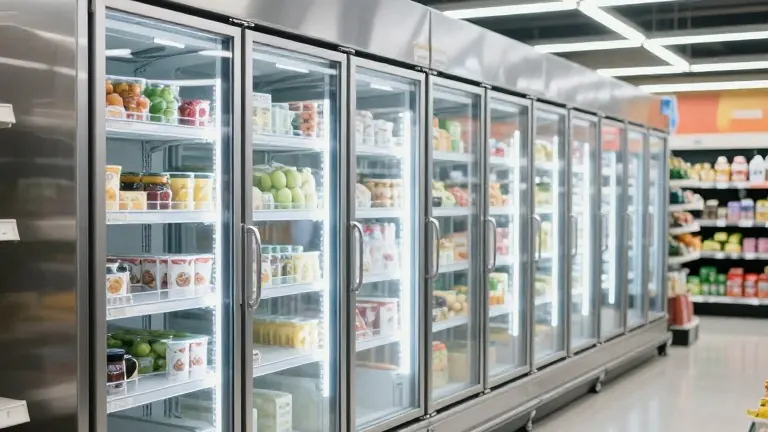
Refrigeration units in grocery stores across at least three European countries registered sudden temperature spikes on Monday, destroying food in dozens of locations. The event marks the second time in less than a month that linked retail infrastructure has failed in a coordinated manner. Ahold Delhaize, based in the Netherlands, and Belgium’s Colruyt reported that IT issues caused temperatures in their Belgian and Luxembourgish stores to rise sharply. In Sweden, chains ICA and Coop confirmed similar failures, with one outlet explicitly attributing the loss to a cyberattack.
The pattern mirrors a major incident that occurred three weeks ago. On Oct. 12, major French retailers including E. Leclerc, Intermarché, and Cooperative U reported that a cyberattack caused refrigerator temperatures to reach 122 degrees Fahrenheit. That attack targeted control systems from Danish manufacturer Danfoss, forcing stores to discard thousands of pounds of spoiled food and raising concerns about national food security.
Ahold reported a cybersecurity incident to Dutch police in October after detecting suspicious activity. Delhaize spokesperson Sarah De Meester told Reuters that the chain noticed the temperature increases in its cooling systems on Monday. Stephan Moelans, CEO of Sabcobel, a Belgian refrigeration company that operates systems for Delhaize and other chains, told the Belga news agency that a cyberattack was responsible. He explained that evaporators in the affected units had been switched into defrost mode.
Moelans stated that technicians began mobilizing at 1 a.m. to manage the situation. The team worked through the night and morning to disconnect affected units from the network. He noted that while the company had been working to protect customers' fridges from the vulnerability, many units now require physical modifications. Moelans added that these changes require investment.
In Sweden, the disruption affected a smaller number of stores. ICA told AFP that a limited number of its locations were impacted but did not provide a specific count. A store in Sjobo in southern Sweden posted on Facebook that its units had been hacked and set to 50 degrees Celsius, which is approximately 122 degrees Fahrenheit. Spokesperson Helena Johansson told AFP that the company is investigating the scale of the incident and focusing on assisting affected stores.
The Coop chain reported that six of its approximately 800 stores in Sweden experienced problems. Company spokesman Carlos Cancino told AFP that the units either stopped working entirely or were partially impaired, leading to food being thrown out. Cancino stated that he had not received information confirming a cyberattack. No claim of responsibility has been made for the recent hacks targeting European grocery retailers.
European Union food and agriculture commissioner Christophe Hansen commented on the previous French incident in a post on X. He stated that food security requires more attention at all levels and called the exploitation of vulnerabilities in essential, networked systems a new reality. Dominique Schelcher, CEO of Cooperative U, described the targeting of equipment essential to fresh product preservation as of extreme gravity and unprecedented. Paris prosecutors confirmed the cyberattack in the French incident, noting it also sparked fires as some equipment overheated.
Source: CBS News
More Business · Scam Watch · Report a business · Got a Story?