Democrats seize control of Congress, reshaping federal power after North Carolina vote
The Democratic Party secured majorities in both chambers of the U.S. Congress, setting the stage for new oversight of the Trump administration and potential changes to federal education policies.
By Lauren Foster ·
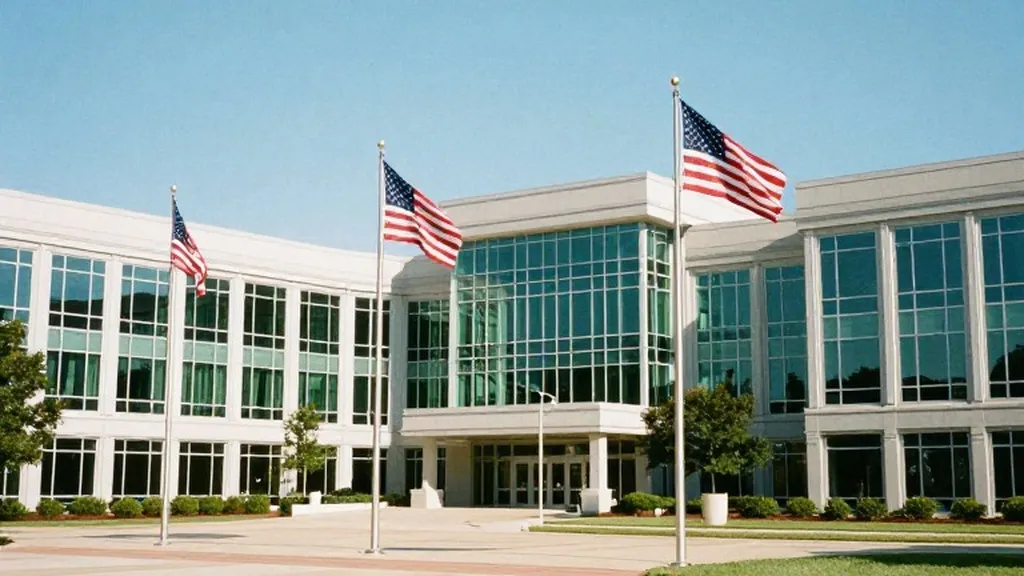
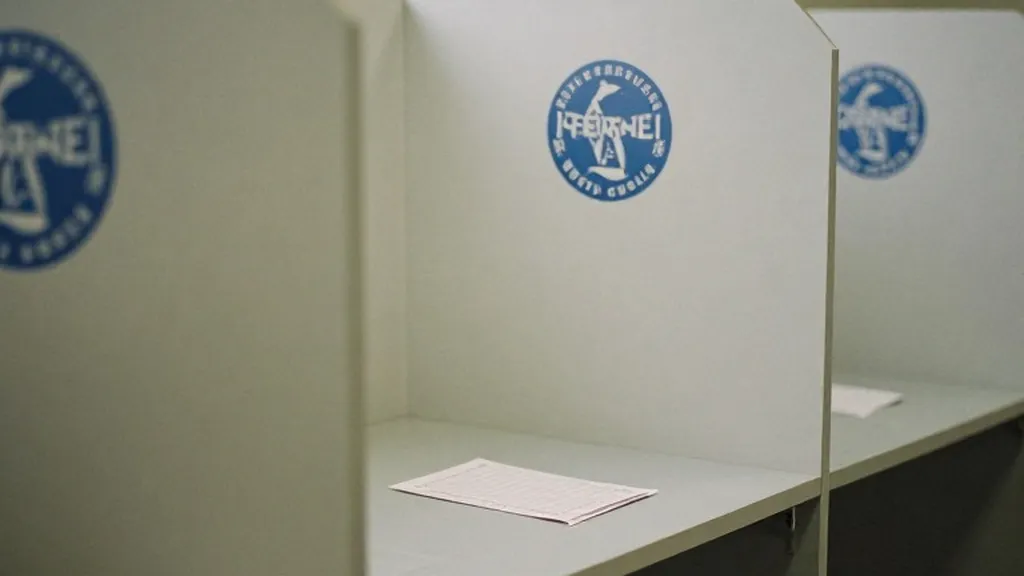
Greensboro and High Point residents joined voters across North Carolina on Tuesday, November 3, to cast ballots in a midterm election that has fundamentally altered the balance of power in Washington. As the dust settles on election day, the results indicate a decisive shift in the federal government, with Democrats securing majorities in both the U.S. House of Representatives and the U.S. Senate. This outcome marks a significant turning point for the state, as every U.S. House seat in North Carolina was on the ballot, alongside state and local offices. Voters in the Triad region, including those in Burlington, participated in a statewide event that has now defined the next two years of national policy.
The most immediate consequence of the election is the change in control of the U.S. Congress. According to verified results, Democrats picked up at least 43 House seats and seven Senate seats, all of which were previously held by Republicans. With these gains, the Democratic Party now holds a majority of at least 250 to 157 in the House and 54 to 44 in the Senate. This shift places the party in a position to lead investigations and control the legislative agenda, a role that was largely held by Republicans in previous cycles. For local constituents, this means that the federal representatives elected from North Carolina will now operate within a chamber where their party holds the numerical advantage.
North Carolina did not have a gubernatorial election this year, but the state’s political landscape was still heavily contested at the legislative level. The state held elections for the U.S. Senate, the U.S. House, the State Senate, the State House, the State Supreme Court, and intermediate appellate courts. Polls in the state were open from 6:30 a.m. to 7:30 p.m. on Tuesday, allowing residents of Greensboro and surrounding areas to vote in the general election. The state’s open U.S. Senate seat was a focal point of the campaign, with candidates from the Democratic, Green, Libertarian, and Republican parties on the ballot. The lack of an incumbent running for the Senate seat allowed for a fresh contest that contributed to the broader national trend of seat changes.
Looking beyond the state lines, the national results confirm a wave of Democratic gains that has reshaped the federal government. The net loss of at least seven U.S. Senate seats for the Republican Party places this election among the top 20% of election years in terms of seat swings against a president’s party. While the U.S. House has not yet reached the specific threshold defined as a wave election, the net loss of 42 seats is a substantial margin that signals a strong mandate for the new majority. This shift allows Democrats to implement oversight powers that were previously limited by Republican control of the chambers.
One of the first areas where the new Democratic majority is expected to exert influence is the federal education agenda. Democrats in Congress are preparing to use their oversight and appropriations powers to push back against President Donald Trump’s education policies, including the dismantling of the U.S. Education Department. Rep. Bobby Scott of Virginia, the top Democrat on the House Committee on Education and the Workforce, has stated that he plans to leave no rock unturned in investigating the administration’s actions. This investigative power includes the authority to issue subpoenas and hold hearings, tools that were less effective when Republicans held the majority. The committee is preparing to explore the administration’s oversight of federal student loans and its anti-discrimination policies.
Sen. Elizabeth Warren of Massachusetts has also called on her colleagues to hold the administration accountable for dismantling the Department of Education. Democrats on the Senate Appropriations Committee are exploring ways to use the budgeting process to rein in the administration’s education agenda. Sen. Chris Van Hollen of Maryland noted that there will be an interest in using the power of the purse to establish guard rails and prevent abusive practices. This approach aims to stop further damage to the department, even if it is difficult to reverse decisions already made through appropriations bills alone. The new majority also has the ability to condition federal funding, which could impact higher education institutions that have faced funding cuts under the current administration.
Despite the new Democratic control of Congress, President Trump has signaled that he will use his veto power to block bills he sees as harmful. This dynamic creates a complex legislative environment where Democrats may rely more on investigations and funding conditions rather than passing new laws. Education advocates are pushing the new majority to go further, with some hoping to see appropriations language that orders the administration to reverse decisions that moved Education Department functions to other agencies. Aaron Ament, president of the advocacy group Student Defense, believes it will become apparent that the administration does not have the authority to keep dismantling certain offices without congressional approval.
In addition to education, the new Congress is set to address other high-profile issues, including the impeachment of Defense Secretary Pete Hegseth. Rep. Thomas Massie of Kentucky moved to force a vote to impeach Hegseth, citing the war in Iran and military actions in Yemen and Venezuela. While the House is currently led by Republicans, the new Democratic majority in the Senate, which will convene in January, could play a significant role in any future trial. House Democratic Leader Hakeem Jeffries supports the measure, and Sen. Chuck Schumer has endorsed the impeachment push, stating that Hegseth must stand trial before the Senate. This potential conflict highlights the immediate friction between the new congressional leadership and the executive branch.