Gaston County voters backed Democratic sweep in 2026 midterms
Results show Democrats taking the state Senate seat and key House districts after polls closed at 7:30 p.m. Tuesday.
By Samuel Hayes ·
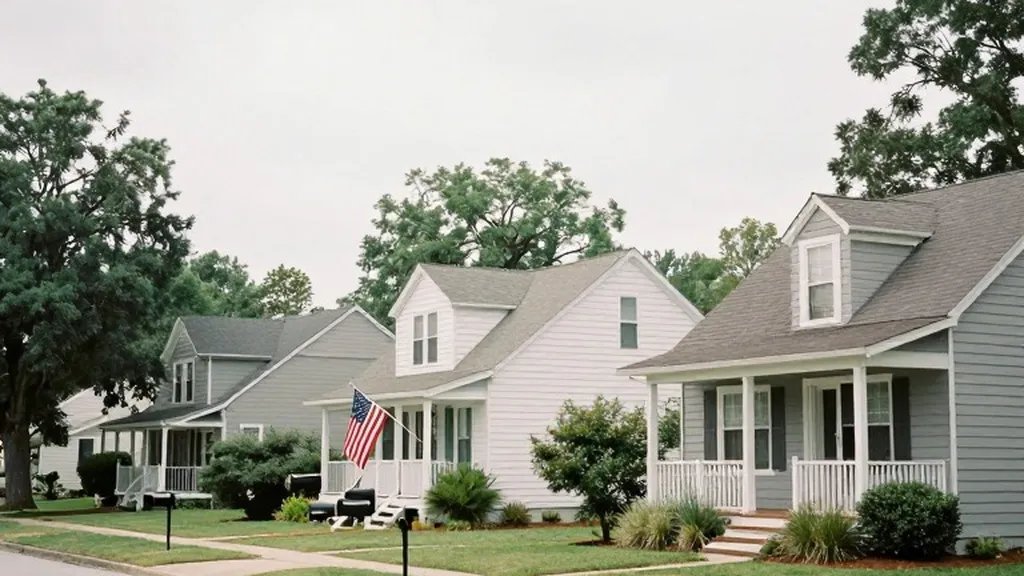
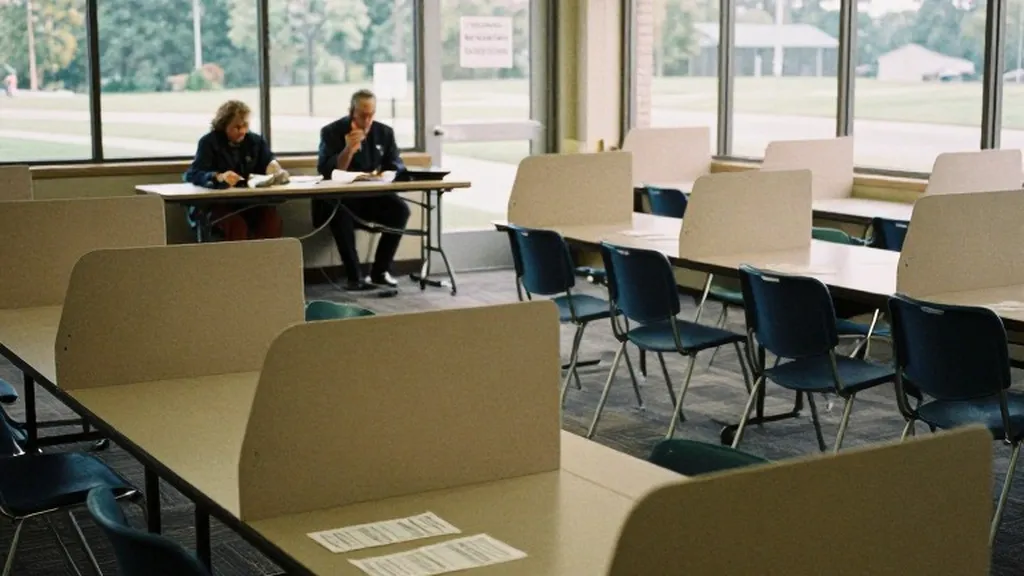
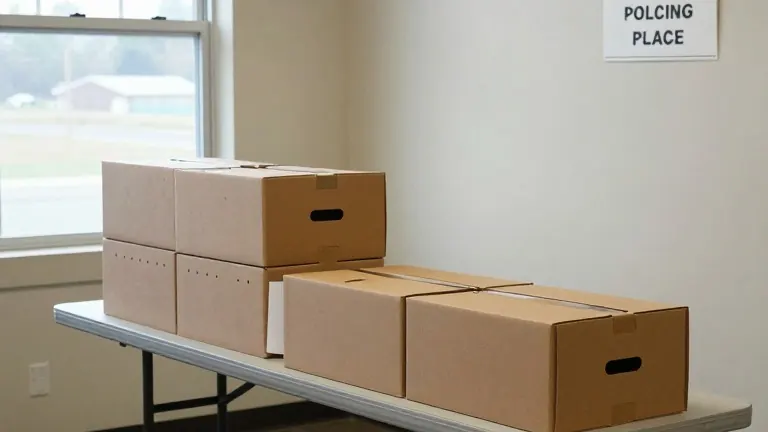
Voters in Gaston County completed their ballots on Tuesday, November 3, 2026, as part of a statewide midterm election that resulted in significant shifts in power across North Carolina. Polling locations in the county, which includes the towns of Gastonia, Bessemer City, and Mount Pleasant, operated from 6:30 a.m. to 7:30 p.m. local time. Residents used these hours to select candidates for federal, state, and local offices, with many heading to their assigned precincts to participate in what local officials described as a decisive day for the state’s political landscape.
The most prominent race on the Gaston County ballot was the contest for the state’s U.S. Senate seat. The position was open, with no incumbent running for re-election. Candidates from the Democratic, Republican, Green, and Libertarian parties appeared on the ballot. Following the close of polls, election data indicated that the Democratic candidate secured the victory, contributing to a broader national trend where Democrats gained control of the U.S. Senate. This outcome marked a pivotal moment for North Carolina, as the state’s new senator will begin a six-year term in January 2027.
Gaston County residents also cast ballots for their U.S. House of Representatives representative. All House seats in North Carolina were on the ballot for this election cycle. The results in the county aligned with the statewide shift, where Democrats picked up multiple districts. The House elections saw a net gain for the Democratic Party, with the party winning a majority of the 435 seats nationwide. In North Carolina, the change in House control reflects a broader dissatisfaction among voters regarding economic conditions and federal leadership, as reported by national polling data.
Beyond federal offices, voters in Gaston County decided the outcomes for state legislative seats. Both the North Carolina State Senate and the State House of Representatives had districts on the ballot in the county. Statewide, Democrats won a plurality of state legislative chambers, expanding their influence in Raleigh. In Gaston County, the specific district results contributed to this state-level shift, with Democratic candidates performing strongly in the region. The state legislative elections also included races for the State Supreme Court and intermediate appellate courts, which were part of the statewide ballot in 2026.
Local elections in Gaston County provided voters with the opportunity to choose school board members and municipal government officials. These races are critical for the daily operations of the county’s towns, including Gastonia, Bessemer City, and Mount Pleasant. Ballot measures were also presented to voters, including statewide constitutional amendments. Three specific amendments appeared on the North Carolina ballot: one to limit property tax increases, one to reduce the income tax rate cap from 7% to 3.5%, and one to require voter identification for all voters. The results of these measures will shape the legal framework for taxation and voting procedures in the state for the coming years.
The election results in Gaston County were part of a larger national pattern where Democrats made historic gains. Nationally, the Democratic Party won majorities in both the U.S. House and the U.S. Senate. In the Senate, Democrats gained at least seven seats, all previously held by Republicans, securing a 54-44 majority according to initial tallies. In the House, Democrats won at least 250 seats, surpassing the 218 needed for a majority. This sweep was driven by voters who expressed concern over high prices, the war in Iran, and government corruption. The Gaston County electorate mirrored these national sentiments, contributing to the overall Democratic victory in the region.
The political implications of the November 3 results are significant for North Carolina’s representation in Washington. With the new Democratic senator and House members taking office in January 2027, the state will have a stronger voice in the Democratic-controlled Congress. The incoming representatives will focus on legislative priorities that reflect the concerns of their constituents in Gaston County and across the state. The shift in power also means that Democrats will have the ability to shape the federal agenda, potentially influencing issues such as infrastructure, healthcare, and economic policy that affect local communities.
The election process in North Carolina was marked by high voter engagement, with millions of ballots cast before the general election day. The use of early voting and mail-in ballots allowed many residents to participate in the election ahead of Tuesday. On election day, polling places in Gaston County remained open until 7:30 p.m., ensuring that all eligible voters had the opportunity to cast their ballots. The smooth operation of the polls, combined with the clear results, demonstrated the efficiency of the state’s election infrastructure. The final counts confirmed the Democratic victories in the key races that were on the ballot.
As the results were finalized, local leaders in Gaston County acknowledged the significance of the election day outcome. The shift toward Democratic control in both federal and state offices signals a new direction for the region’s political engagement. The incoming officials will begin their terms in early 2027, tasked with addressing the concerns that drove voters to the polls. The election results in Gaston County serve as a reflection of the broader changes happening across North Carolina, where voters have chosen a new path for the state’s representation in the federal government.
The 2026 midterm elections in Gaston County concluded with a clear mandate for change, as evidenced by the Democratic victories in the U.S. Senate, U.S. House, and state legislative races. The results stand as a testament to the active participation of the county’s residents in shaping their political future. With the new terms beginning in January 2027, the focus now shifts to the implementation of the policies and priorities that were central to the campaigns. The election results in Gaston County, along with the statewide and national outcomes, will define the political landscape for the next two years.