NC Senate race undecided as Democrats seize Congress control
Voters in Greensboro and across North Carolina cast ballots in a pivotal U.S. Senate contest that remains in dispute, while Democrats nationwide secured majorities in both chambers of Congress.
By Fatima Saleh ·
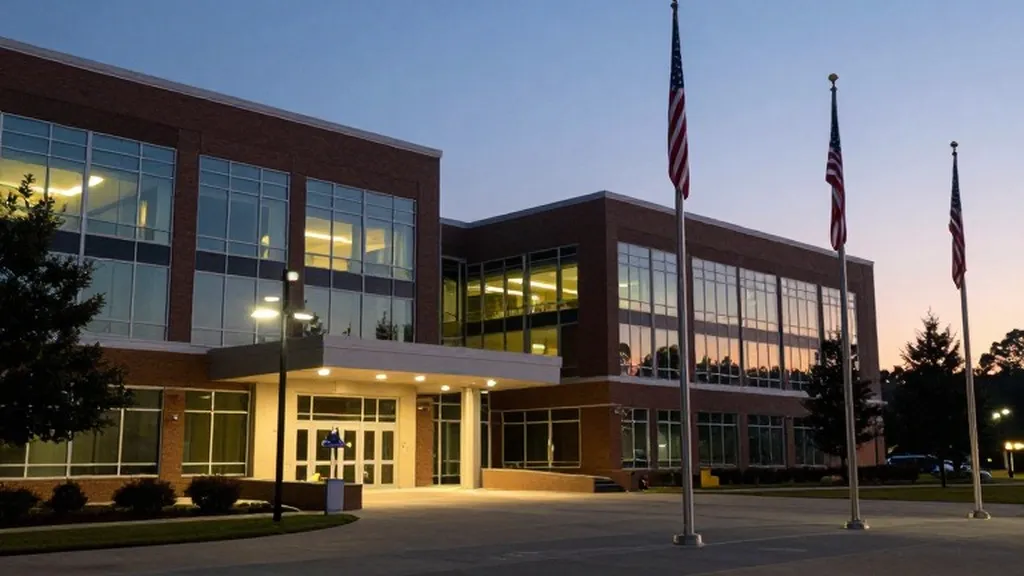
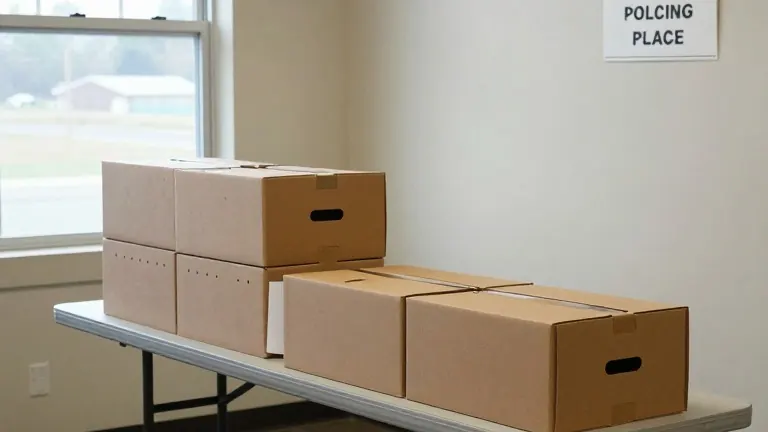
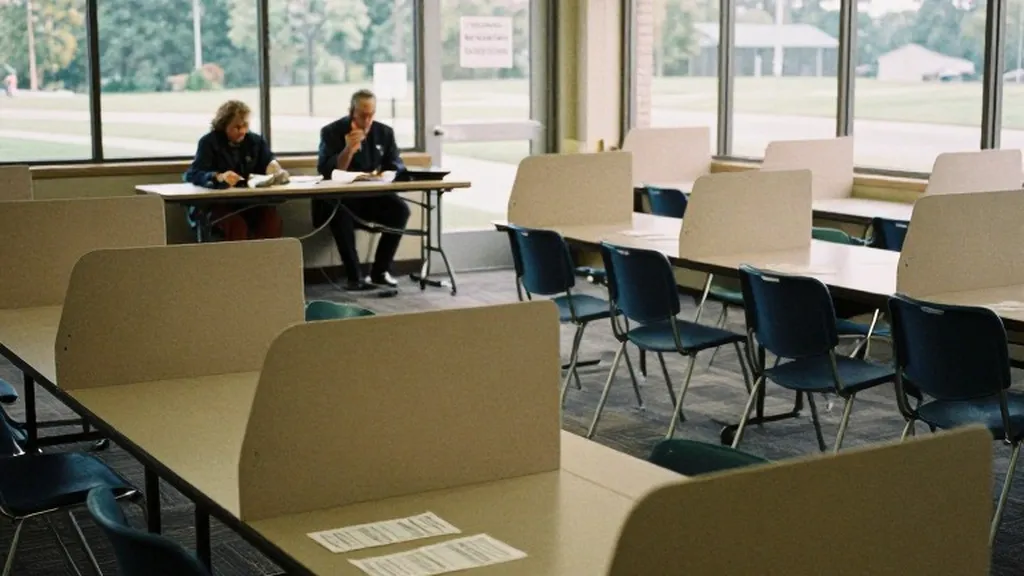
Polling places across Greensboro, High Point, and Burlington closed at 7:30 p.m. on Tuesday, November 3, 2026, concluding a general election that featured a competitive U.S. Senate race and contests for every U.S. House seat in the state. The election also included races for state and local offices, as well as ballot measures that vary by county. With no incumbent running for the open U.S. Senate seat, voters in North Carolina chose between candidates from the Democratic, Green, Libertarian, and Republican parties. The outcome of this race will determine the state's representation in the upper chamber of the federal government.
National results indicate that Democrats have gained control of both the House and the Senate. This shift in power follows a campaign where many voters expressed concern about the balance of power between the executive and legislative branches. Approximately seven in ten voters nationally stated that Congress was not doing enough to provide checks and balances on the presidency, according to a survey of more than 100,000 midterm voters. The new congressional leadership is expected to begin aggressive investigations into the executive branch early next year.
In the U.S. Senate, the race in North Carolina remains one of the key contests to watch. The open seat attracted significant national attention, with candidates from all four major parties on the ballot. While final certification of the vote count is pending in some districts, the broader trend shows a strong showing for Democratic candidates across the country. This result aligns with the national momentum that led to Democratic majorities in both chambers of Congress.
President Donald Trump has already reacted to the election results by taking a combative stance toward the new congressional leadership. He declared on social media that investigative requests made by Democrats are extortion at the highest level. Attorney General Todd Blanche echoed this sentiment, suggesting that criminal investigations of Democratic lawmakers are possible. This rhetoric sets the stage for a potential showdown in the coming months, likely defining the remainder of Trump's time in office.
Rep. Robert Garcia, who is poised to chair the House Oversight Committee, said Democrats are preparing investigations into what he calls the Trump crime family. He stated that the days of not fighting back are over. Democratic House leader Hakeem Jeffries, who is on the cusp of becoming the nation's first Black House speaker, said impeachment is an option if members of the administration have been shortchanging the American people. Jeffries also criticized Trump's choice of Stephen Miller as chief of staff, calling it an awful choice.
However, some new Democrats in Congress are urging caution. Sen.-elect Adam Hamilton, the first Democrat elected to the Senate from Kansas in 94 years, expressed skepticism about impeachment, saying his campaign was about bringing people together. He said he does not want the next two years to be spent dividing the country further. Sen. Bernie Sanders, a Vermont independent who caucuses with Democrats, warned that the legislature cannot spend all its time investigating the president. He emphasized the need to stand up for working-class families and make a real difference in their lives.
In North Carolina, the election also included contests for the State Senate and State House, as well as the State Supreme Court and intermediate appellate courts. Voters in the state also decided on various ballot measures and local elections. These races are part of a broader statewide process that includes municipal government elections and school board contests. The results of these local races will shape governance in Greensboro, High Point, and Burlington for the next four years.
Beyond the political race, the election marked a turning point for Native American women in politics. Crystalyne Curley was elected the first woman president of the Navajo Nation. Peggy Flanagan became the first Native American woman elected to the U.S. Senate in Minnesota. Deb Haaland was elected as the first female Native governor of a U.S. state in New Mexico. These victories represent a significant shift in political leadership, with more Native women running for and winning office.
Curley, who narrowly defeated attorney Justin Jones, said she faced sexist rhetoric while campaigning but expects to be held to a higher standard as the first woman president. She and her running mate, Chris Deschene, plan to transition the Navajo Nation away from coal development and reassert its role in national discussions on federal Indian policy. Flanagan credited supporters from her community for her Senate victory, stating that she could not run for the U.S. Senate without Native women.
The election results also highlighted the growing influence of survivors of sexual violence as a political constituency. In Ohio, Dr. Amy Acton won the gubernatorial race by eight points in a state where her party had not held the governor's mansion in nearly 20 years. Her victory was notable given that her opponent, Vivek Ramaswamy, had aired an ad weaponizing her history of childhood sexual abuse. Acton's win has energized activists who are pushing for legislation to protect survivors in state legislatures across the country.
Voters in North Carolina can look forward to the certification of results in the U.S. Senate race, which will finalize the state's representation in Congress. The new congressional leadership is expected to convene soon to begin the work of the next session. For residents of Greensboro, High Point, and Burlington, the outcome of the state races will have direct implications for local governance and state policy in the years ahead.