DeepMind releases Genie 4, a world model that generates interactive environments in real time
The new system uses Gemini 3.8 Flash to maintain consistency for short durations, aiming to provide training grounds for robots and creative tools.
By Fatima Saleh ·
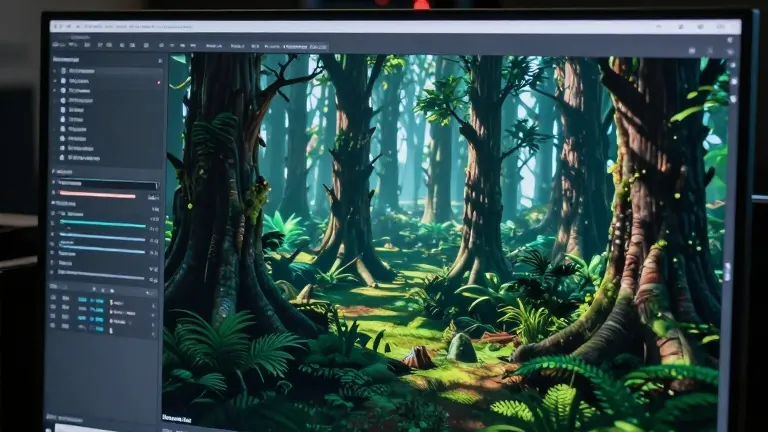
World models have emerged as a central focus for artificial intelligence laboratories following the initial market reaction to Google DeepMind’s prior releases. Today, DeepMind introduced Genie 4, an updated model designed to generate realistic physics and human interactions without pre-rendered assets.
The system does not rely on traditional programming for interactive elements. Instead, it generates the experience frame by frame in real time as a user explores the virtual environment. DeepMind positions this technology as a step toward artificial general intelligence, distinct from its potential applications in the gaming industry.
Genie 4 integrates with Gemini 3.8 Flash, which acts as a guiding agent for the simulation. This component breaks down user goals and evaluates each output frame to keep the simulation aligned with the original context. This structure allows users to move through varying environments while the model maintains coherence.
Despite these improvements, DeepMind acknowledges a limitation in temporal consistency. The generated worlds remain stable for only a couple of minutes before the model loses track of how the environment started. This duration is a key constraint for users who require longer, uninterrupted sessions.
Users can alter the simulation parameters during generation. The system supports changes to weather, the addition of new elements, and camera movements. Gemini processes these updates to steer the simulation, a method similar to how reasoning models generate internal prompts to refine output tokens.
DeepMind states that this technology could create infinite training environments for physical robots. The lab also suggests the model may unlock new avenues for rapid prototyping in creative fields. Availability for broader use is tied to commercial agreements with Google.
Source: Ars Technica