Bahrain hits back after Sitra fire
Missiles struck US positions in Al-Riffa and Awali while two tankers took damage in the Strait of Hormuz.
By Samuel Hayes ·
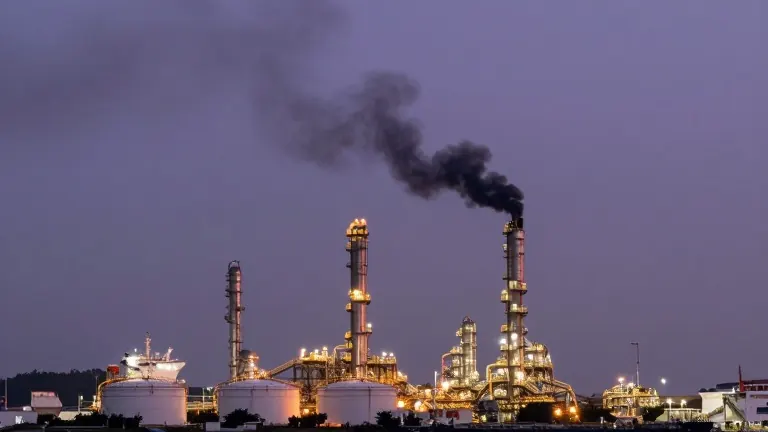
Bahrain suffered its heaviest attack since late February when Iranian missiles struck a civilian industrial facility on Saturday evening. The impact started a fire and caused structural damage, but officials reported no casualties. Residents on Sitra Island, located on the country's east coast, watched smoke rise above the refinery operated by state oil company Bapco.
The Gulf kingdom’s interior ministry said on X that Civil Defence teams were working to contain the blaze. The ministry described the incident as "heinous Iranian aggression" but did not name the specific facility targeted. The strike ended a several-week lull in hostilities that began after US and Israeli forces hit Iranian targets in late February.
Iran’s Revolutionary Guards claimed the operation targeted US military positions at the Al-Riffa and Awali bases in Bahrain. The statement said missile and drone strikes hit two radars belonging to the US Army's Patriot air defense systems. Tehran warned that any future violations of its airspace would receive a "harsh and decisive response."
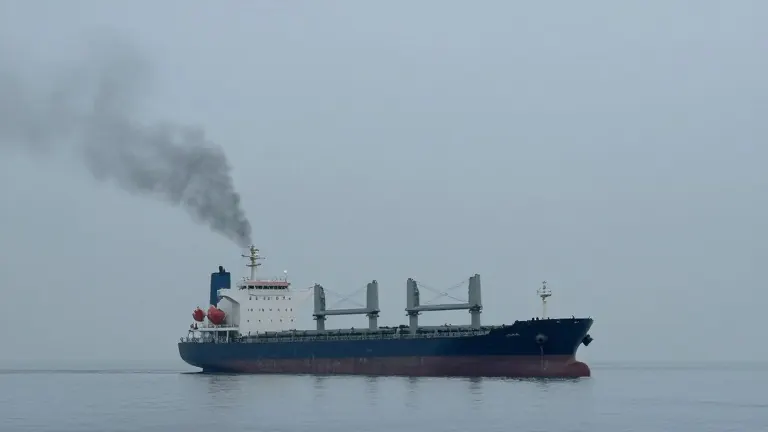
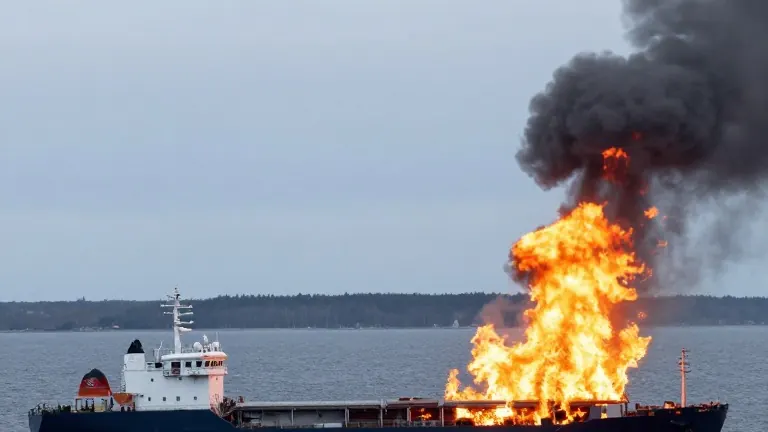
Simultaneously, two tankers were struck in the Strait of Hormuz. The UK Maritime Trade Operations (UKMTO) reported that one vessel was hit by an unknown projectile while transiting the waterway, with no casualties. A second tanker took a hit in its engine room. Iranian state media later said a ship was on fire after hitting a mine in a "restricted zone," claiming the tanker had switched off its navigation systems in defiance of warnings.
The US military said last month that it had cleared all mines from the main routes through the strait. US Central Command noted that it has helped Gulf countries export 1.5 billion barrels of oil via Hormuz since the summer. The strait previously carried about one-fifth of the world’s oil supply before the war disrupted trade.
Diplomatic efforts to end the conflict remain stalled. Iranian Deputy Foreign Minister Kazem Gharibabadi said a Qatari delegation spent two hours in Tehran the night before. Foreign Minister Abbas Araghchi told state TV that talks must be given a chance and that the blockade must be lifted rationally. He maintained that discussions about opening the strait are pointless until Iran’s demands are met.
Tehran’s conditions include ending the war on all fronts, unfreezing Iranian assets, and lifting oil sanctions. On Saturday, Iran announced it shot down a US drone over Qeshm Island. American fighter jets had struck a missile site on the same island last Tuesday, according to a US military official. The US also launched an "economic asphyxiation" campaign in August to curb Iranian trade.
The conflict has worsened energy shortages in Iran. President Masoud Pezeshkian said strikes on energy infrastructure would cause difficulties this winter. Mohammad Allahdad, head of the national electricity company, announced rolling power cuts starting Sunday. He cited fuel supply conditions as the reason for the distribution restrictions.