State grows 65 percent of national crop
North Carolina leads the nation in sweetpotato production, a distinction the state's commission defends through a spelling petition and a governor's proclamation.
By Samuel Hayes ·
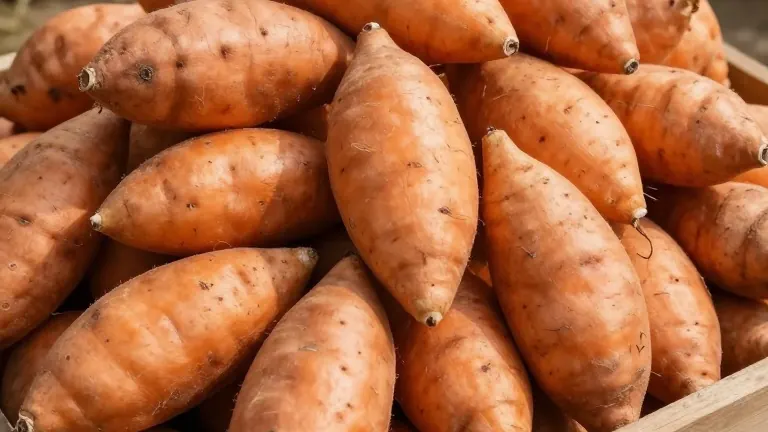
North Carolina farmers grow more than 65 percent of the United States sweetpotato supply. The state has held the top spot in national production for nearly 55 years. This volume anchors the local economy and drives the current cultural push for specific terminology.
Michelle Grainger serves as the executive director of the North Carolina Sweetpotato Commission. The group represents growers across the state. She notes that the spelling debate dates to 1989. An international group of scholars determined that the two-word spelling is scientifically incorrect.
Grainger argues that splitting the name treats the vegetable as an adjective modifying a noun. "You're using the adjective sweet to describe a noun, potato, but you are inferring that that potato, chances are, is a white russet Idaho-style potato," she said. She compares the crop to eggplant and sweetgrass, both single words in standard usage.
Botanically, the two crops differ significantly. Sweetpotatoes belong to the morning glory family. White and russet potatoes are members of the nightshade family. They are not closely related despite sharing the word potato in their common names.
The Commission launched a Change.org petition in 2021 to persuade dictionaries to adopt the one-word spelling. Grainger points to recent dictionary additions approved by the Associated Press style guide. She lists words such as rizz, six seven, and maxxing. "None of those are scientific or even grammatically correct," she said.
In 2025, Governor Josh Stein proclaimed February as Sweetpotato Month. The proclamation uses the one-word spelling. This official designation reinforces the Commission's position within North Carolina, even as major style guides like the AP retain the two-word format.
With Thanksgiving approaching, growers prepare for the holiday season. Grainger refers to this period as the Super Bowl for the industry. She states that the goal is to make the vegetable inviting while honoring its unique specialty through correct usage.
More News · Greensboro news · Report a business · Got a Story?