US voters decide control of Congress as Trump dominates midterm campaign
Democrats are seeking control of both congressional chambers in elections shaped by Donald Trump’s presidency, rising living costs and concerns about government corruption.
By News Media House Staff ·
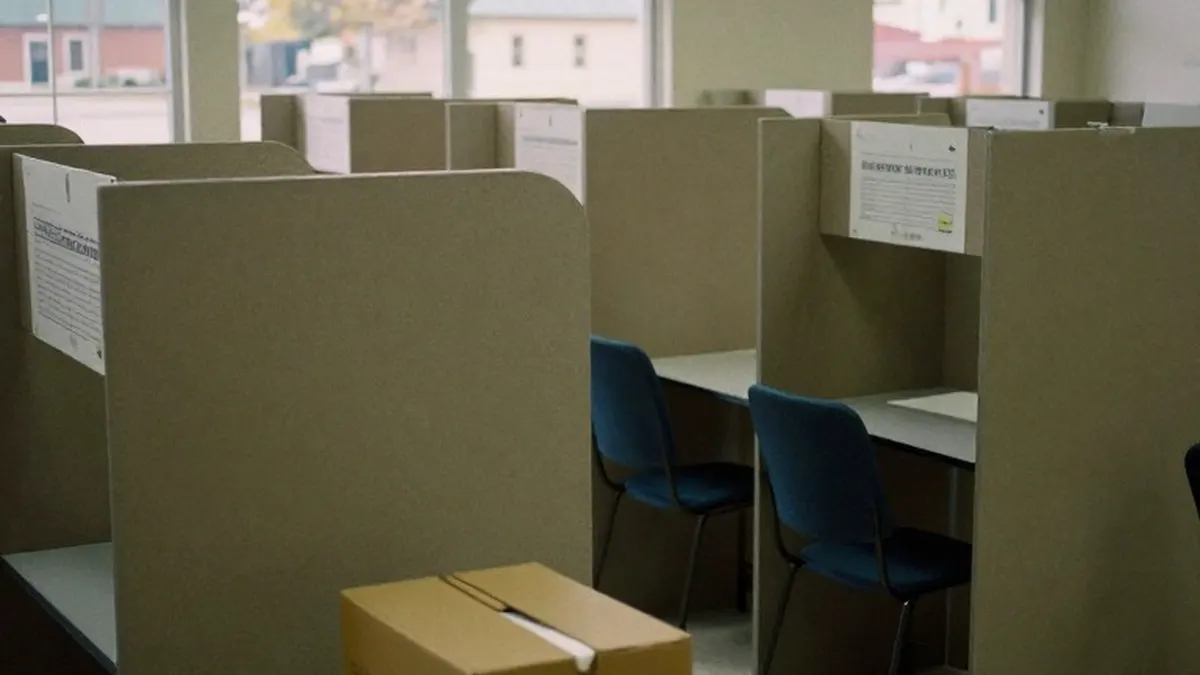
Americans are voting on November 3 in midterm elections that will determine control of Congress and test public support for Donald Trump’s second presidency. Republicans currently hold both the House of Representatives and the Senate. Democrats hope to capture both chambers and impose greater constraints on a president whose authority has faced few congressional checks.
Trump has made himself central to the campaign, holding several dozen rallies and encouraging his supporters to vote for Republican candidates as though he were on the ballot. His approval ratings have fallen to between 33% and 37% in opinion polls. Democrats hope that dissatisfaction, combined with the tendency for the president’s party to lose congressional seats in midterm elections, will produce substantial gains.
Polling suggests Democrats are well placed to take the House, while winning the Senate remains more difficult. Their targets include Republican seats in Ohio, Texas and Maine. Final New York Times and Siena University surveys released Sunday showed Democratic candidates leading in five of seven key contests, including Texas and Kansas. Those states last elected Democrats to the Senate in 1988 and 1932, respectively.
Democrats nevertheless entered election day facing divisions in Michigan, a state considered important to either party’s Senate prospects. On Sunday, Representative Haley Stevens endorsed Republican Mike Rogers after losing the Democratic Senate primary to Abdul El-Sayed. The endorsement followed a dispute with El-Sayed’s campaign over an outside group’s advertisement blaming high living costs on American support for Israel. Senate minority leader Chuck Schumer called her decision “a despicable betrayal”.
In Alaska, reports that Democratic Senate candidate Mary Peltola’s campaign had helped recruit a challenger with almost the same name as Republican Senator Dan Sullivan also generated damaging headlines. Peltola denied knowing of any such scheme by her campaign. Before its reported involvement emerged, the Justice Department sued to prevent certification of the Senate result if Republicans lost, citing possible voter confusion over two Dan Sullivans appearing on the ballot. A judge subsequently dismissed the lawsuit.
The Democratic campaign has focused on affordability and what it describes as corruption involving Trump and his family. The party also wants congressional power to check an administration that has carried out mass immigration arrests and deportations, imposed tariffs on foreign goods, launched a war against Iran and pursued construction projects including a White House ballroom.
Concern about government corruption has grown among voters, according to opinion surveys. A recent Harris poll conducted for the Guardian found that 76% believed elected officials were more interested in enriching themselves than improving the economy for ordinary people. Disclosures filed with the US Office of Government Ethics show Trump has earned about $2.2 billion since returning to office, including royalties from his branded meme coin.
Living costs have continued to trouble voters despite Trump’s promise during the 2024 campaign to bring them down. The war he launched against Iran alongside Israel in February has pushed up global oil prices and fuelled inflation. Americans have faced higher petrol prices, while more expensive diesel has increased costs for farmers and supply chains.
Uncertainty also surrounds whether Trump will accept results that go against Republicans. Opponents say Justice Department cases under Attorney General Todd Blanche, a close Trump ally, are intended to undermine confidence in the election, including through baseless allegations of widespread voting by noncitizens. The department plans to send a record 1,000 election monitors to polling places nationwide, a deployment critics have described as voter intimidation.
Originally published by News Media House · Source: The Guardian