Hydroxyapatite Toothpaste Gains Ground
Dentists say the new ingredient works well in short studies but lacks the long-term data of traditional fluoride.
By Fatima Saleh ·
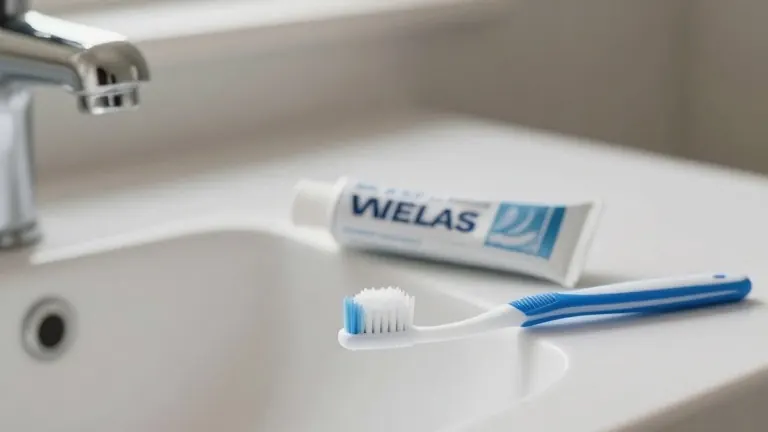
A new ingredient is appearing on shelves across Greensboro, promising to clean teeth without fluoride. Hydroxyapatite toothpaste is gaining attention as a fluoride-free alternative, though local dental experts say the science behind it is still catching up to the marketing.
Dr. Jin-Ho Phark, an associate professor of clinical dentistry at the University of Southern California, reports that patients are increasingly asking about these products. He attributes much of the interest to social media influencers who promote the mineral heavily online. Phark notes that the curiosity is not limited to patients, as dental students are also raising questions in the classroom.
Hydroxyapatite is a calcium phosphate mineral similar to the material that makes up tooth enamel. Proponents argue that these products can remineralize teeth and protect against cavities without the use of fluoride, which has faced renewed scrutiny in recent years. Health Secretary Robert F. Kennedy Jr. has recently linked water fluoridation to various health issues, a stance that has fueled consumer interest in alternatives.
Traditional fluoride toothpaste has been a standard in oral care since the late 1950s. The Centers for Disease Control and Prevention credit the addition of fluoride to public water supplies with reducing cavities by 25%. Dr. Bennett Amaechi, a professor of dentistry at the University of Texas at San Antonio, states that while fluoride is extensively researched, early results for hydroxyapatite are positive.
Amaechi authored a 2021 study in the journal Scientific Reports that followed 177 children for nearly a year. The study found that both hydroxyapatite and fluoride toothpastes produced similar outcomes in preventing tooth decay. A subsequent study published in Frontiers in Public Health in 2023 tracked 171 adults for 18 months and also found comparable results between the two types of toothpaste.
Despite these findings, some researchers caution that the current body of evidence is limited. Dr. Livia Tenuta, an associate professor at the University of Michigan School of Dentistry, points out that many studies have focused on participants with a low risk of tooth decay. She suggests that more long-term research is needed, particularly involving individuals who are at higher risk for cavities.
The American Dental Association acknowledges that more people are using hydroxyapatite products. In an email to NPR, ADA Consumer Advisor Dr. Ada Cooper stated that while some evidence supports the ingredient's ability to help remineralize teeth, its overall clinical effectiveness remains ambiguous. The ADA continues to recommend brushing with fluoride toothpaste twice daily for two minutes.
Hydroxyapatite toothpastes often cost more than their fluoride counterparts, with some options priced over a dollar more per ounce. For now, many dentists advise patients to stick with fluoride unless they have a specific reason to switch.
Source: WFDD Public Radio · original report published
More News · Greensboro news · Report a business · Got a Story?