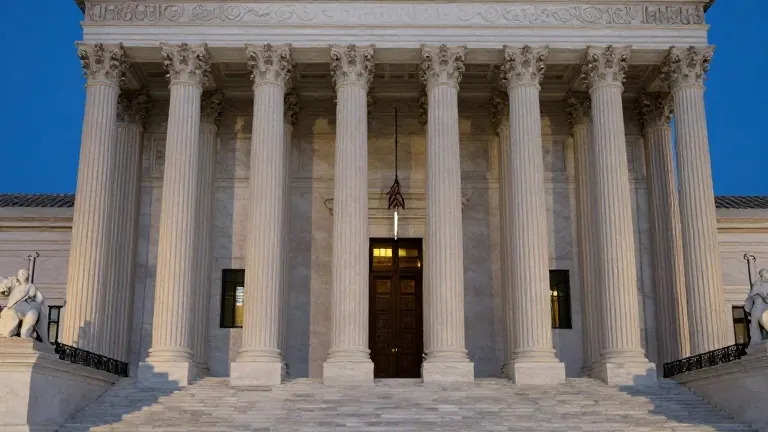
Trump holds course on Iran as economic pressure tightens
With Congress and Israeli allies shifting, the U.S. president favors sanctions over new strikes, leaving Gulf economies in recession.
By Samuel Hayes ·
President Donald Trump is sticking to a strategy of economic pressure on Iran, a move that leaves the conflict in a state of suspended animation as diplomatic talks stall. On Thursday, the president dismissed the need for a formal agreement, citing the billions of dollars of Iranian funds frozen in foreign accounts.
"We don't need a deal with Iran. Those days have long since passed. We've got their money," Trump wrote on Truth Social. This approach marks a shift from his earlier threats of rapid, intense strikes. Those threats receded after his party lost its congressional majority in recent midterms and as Israeli Prime Minister Benjamin Netanyahu faces the prospect of being ousted from power.
Vice President JD Vance blamed the unpopular war with Iran for the Republican losses. With limited political room to maneuver, Trump is leaning on Gulf allies who prefer the current status quo. He met with Qatar's prime minister at the White House this week and noted that regional partners view continued economic pressure as the best path forward. Trump added that while the U.S. remains "locked and loaded," a major attack seems unlikely at this stage.
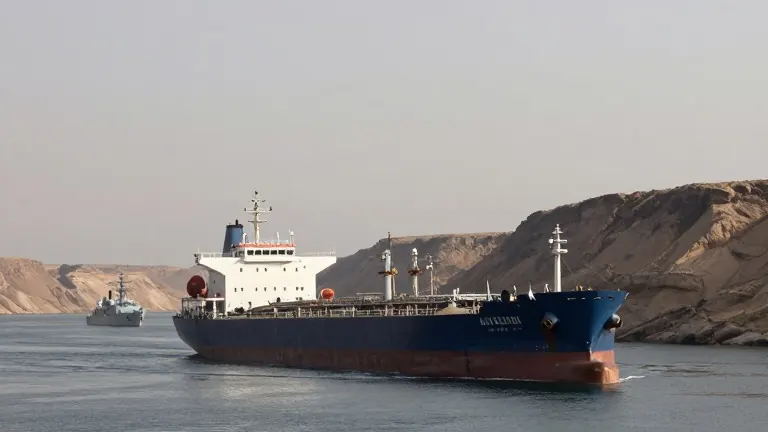
The economic impact of the standoff is severe for the region. The International Monetary Fund reports that Gulf Arab states are in recession despite higher oil prices. Economies in Kuwait, Qatar, and Iraq are contracting by approximately 16 percent this year, while Bahrain's is down 11 percent. Iran maintains a chokehold on the Strait of Hormuz, requiring ships to seek permission to pass. The U.S. is assisting oil tankers via a route close to Oman, but this does not resolve supply issues for vital products like fertilizer and aluminum.
Military tensions persist alongside the economic squeeze. The U.S. is sending a third aircraft carrier to the region, and the two nations continue to trade limited strikes. On Friday, Iranian media reported that the U.S. struck one of its islands in the strait. Iran's Revolutionary Guard retaliated by targeting an early warning radar in Bahrain. Iran also unveiled a new underground missile production site this week.
Secretary of State Marco Rubio told reporters that economic sanctions are doing the job of military action. "The pain that they're feeling is, eventually you have to eat," Rubio said. The U.S. naval blockade has cut Iran off from at least $25 billion in revenue. The United Arab Emirates has severed all economic ties with Iran, and the U.S. military launched a new operation called Iron Gate to stop Iran from moving advanced weapons across land routes.
Diplomatic efforts remain gridlocked. Iran says it is prepared for a short pause on ship attacks but insists on meeting seven demands before direct nuclear talks begin. These demands include lifting sanctions, ending the blockade, and unfreezing funds. Hamidreza Gholamzade, the Tehran municipality spokesperson, told NPR, "The message has been only one thing. These seven items are on the table. Take it or leave it." Rubio called the conditions absurd. Mohsen Rezaei, head of Iran's Supreme National Security Council, stated that Iran will not remove even a shred of enriched nuclear material from the country.