North Carolina Lawmakers Weigh Online Casino Rules
State legislators are debating whether to expand digital wagering beyond sports betting, citing revenue needs and existing regulatory tools.
By Lauren Foster ·
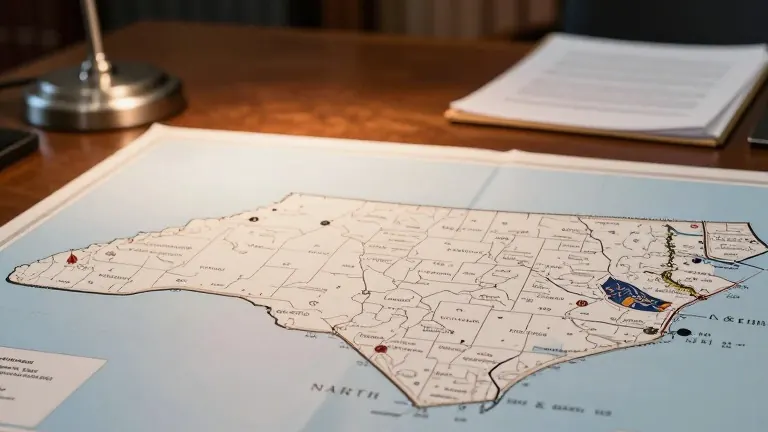
North Carolina lawmakers are evaluating whether to legalize commercial online casinos, a move that would mark the state's first step into full iGaming. The debate centers on the state's existing digital sports betting framework and the potential tax revenue from online slots and table games.
The North Carolina State Lottery Commission currently oversees sports betting under House Bill 347. Operators pay a 23% tax on gross wagering revenue. While this stream has generated income, state officials are looking for additional revenue sources that do not require broad increases in sales or income taxes. Online casino games, such as digital slots and video poker, typically yield higher tax revenues than sports wagering alone due to continuous play options.
The regulatory infrastructure for such an expansion is already in place. The state lottery commission has established geofencing systems, identity verification protocols, and responsible gaming frameworks. These tools were built for sports betting but would apply directly to online casino platforms if legislation passes.
Legislative hurdles remain significant. The state's gaming history is tied to tribal compacts with the Eastern Band of Cherokee Indians and the Catawba Nation. Expanding online wagering statewide requires negotiation to protect tribal gaming interests and define revenue sharing. Lawmakers have previously resisted expanding physical casino locations or video gaming terminals, viewing digital casinos as a further departure from the status quo.
Opponents argue that digital slots and table games could divert traffic from physical tribal casinos and local economic hubs. This concern is a primary barrier in the General Assembly, where both conservative and liberal factions have expressed reservations about the scope of casino expansion. The debate mirrors national trends, where fewer than 10 states have authorized real-money commercial online casinos, compared to over 30 states with online sportsbooks.
States like Pennsylvania and Michigan serve as operational models. Pennsylvania launched legal iGaming in 2019 with high tax rates, while Michigan launched in 2021 with a tiered tax structure between 20% and 28%. Both markets have demonstrated that commercial online casinos generate substantial tax revenue per capita. North Carolina may adopt a hybrid model similar to Michigan, tying digital licenses to existing tribal entities or sports betting partners.
In the next one to two years, immediate legislation appears unlikely. Legislative focus remains on monitoring sports betting tax revenues and assessing prediction market frameworks. If the state moves forward, it will likely require a negotiated agreement with tribal partners to balance digital expansion with established gaming interests.
Source: Triad City Beat · original report published
More Politics · Greensboro news · Report a business · Got a Story?