Midterm Results Could Upend Party Control in Congress
Polls show President Trump's approval rating at 37%, a level historically linked to poor performance for the president's party in midterm elections.
By Fatima Saleh ·
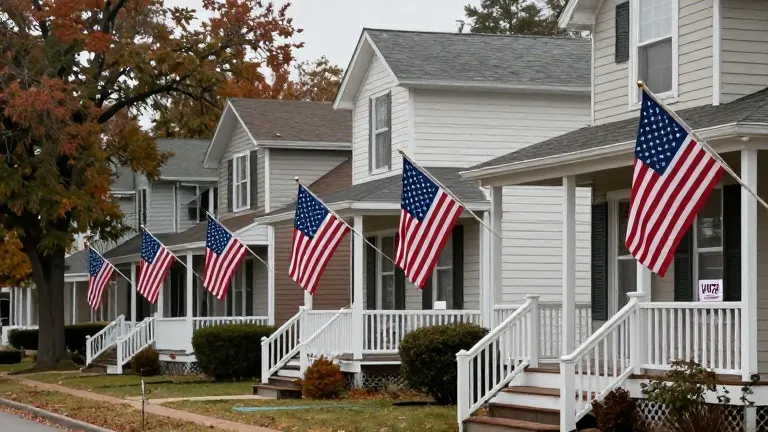
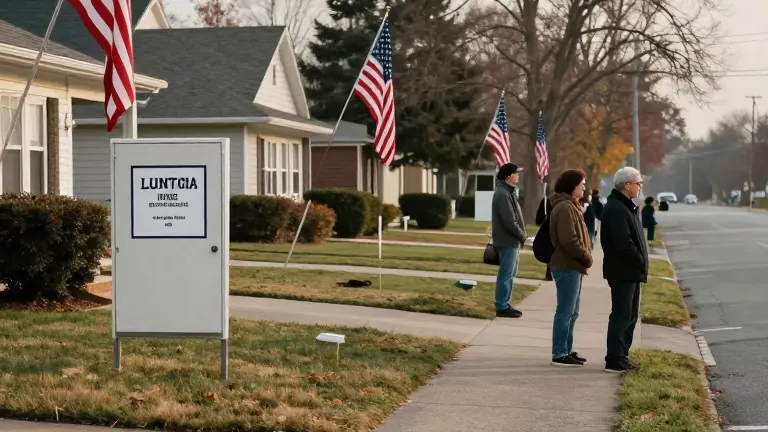
Residents of Greensboro and across North Carolina will vote Tuesday, November 3, in an election that political analysts say will determine which party controls the House and likely the Senate.
The results will test the standing of President Donald Trump and his Republican party. Polling data indicates the Republican party faces a difficult environment. Historically, the party of the sitting president loses seats in midterm elections. This pattern has held true in nearly every midterm over the last century.
Trump's personal approval ratings have dropped. In the early months of 2025, the average of polls showed his approval at 52%. Current averages place that number at 37%. Analysts note that breaking below the 40% threshold has often signaled severe losses for the president's party.
The White House has focused its campaign efforts on limiting these expected losses. Trump visited Iowa and Kansas during the final weekend of the campaign. He held in-person events in those states while conducting remote rallies in 19 others. Iowa and Kansas are critical because they have historically leaned Republican. Trump won 31 Iowa counties in 2016 that had voted for Barack Obama in 2008 and 2012. Kansas has not elected a Democrat to the Senate since 1932.
The campaign strategy reflects a desire to protect Senate seats in states Trump won by double-digit margins in previous elections. Most observers predict the Republican party will lose its small majority in the House. The Senate remains too close to call. If the Republican party retains control, Vice President Vance would cast the tie-breaking vote.
Democrats face their own challenges if they gain power. A potential Democratic majority in the House would be modest compared to historic standards. A Senate victory would likely be narrow, giving significant leverage to individual members who oppose party leadership. Internal divisions persist within the Democratic party regarding its nominee slate. Candidates aligned with the Democratic Socialists of America have drawn attention in primary races and campaign ads.
Ruy Teixeira, a political demographer at the American Enterprise Institute, published a list of 11 questions for Democrats in October. The final question asks if the party will prioritize working-class voters over other policy areas. Teixeira has studied the party's relationship with white, non-college educated voters for decades.
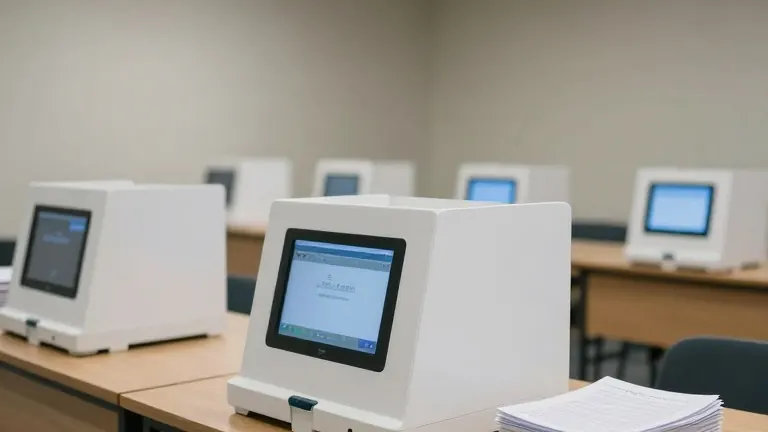
The election will also test public confidence in the voting system itself. Nonpartisan experts have generally defended the current administrative processes. The Help America Vote Act, passed after the 2000 election, allowed states to replace punch-card ballots with touch-screen technology and paper trails. This upgrade has improved security and voter confidence.
However, President Trump has repeatedly questioned the integrity of elections. He has called polling results and news reporting fake. He told supporters in 2016 that a loss would be due to fraud. He led a protest on January 6, 2021, after losing the 2020 election. He accepted the results of the 2024 election but continues to label information as fake news.
Voters will decide the direction of the next phase of American political life on Tuesday. The outcome will depend on how the electorate responds to economic conditions and the conduct of the current administration.
Source: WFDD Public Radio · original report published
More Politics · Greensboro news · Report a business · Got a Story?