Judge to Set Deadline in First Camp Lejeune Trial
Attorneys for Frank Mousser and the federal government request different dates to submit post-trial findings in the Eastern District of North Carolina.
By Samuel Hayes ·
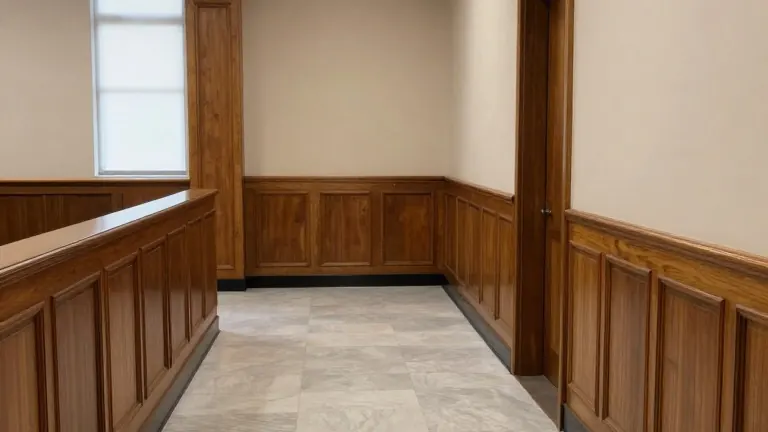
Judge Terrence Boyle will determine the schedule for post-trial filings in the first Camp Lejeune Justice Act case.
The case began as a three-day trial that concluded last week without a ruling.
Frank Mousser, a plaintiff who developed kidney cancer after exposure to contaminated water at Marine Corps Base Camp Lejeune, is the central figure in this bellwether trial.
Mousser's attorneys and government lawyers filed a joint motion on November 2 in the U.S. District Court for the Eastern District of North Carolina.
The motion asks the judge to establish a deadline for submitting proposed findings of fact and conclusions of law.
Mousser's legal team requested that documents be submitted by November 6.
They argued that a prompt resolution would serve the interests of justice and the public.
The Justice Department requested until December 4 for the same filings.
Government attorneys cited the complexity of scientific evidence and the volume of witness testimony and depositions.
They also noted that the parties have not yet received the official trial transcript.
In the filing, government attorneys wrote that the resolution of this first case is important as it may inform many other outstanding claims.
More than 400,000 administrative claims have been filed under the Camp Lejeune Justice Act since its implementation, said the source material. This law allows people exposed to contaminated drinking water to seek compensation for related illnesses and injuries, per the document. A second bellwether trial is scheduled to begin November 9. This upcoming trial involves Marine Corps Veteran David Fancher, who also developed kidney cancer after being stationed at the base. Fancher seeks to establish a causal link between the contaminated water and his illness. Both cases are being heard by Judge Boyle, who must determine if the evidence establishes a connection between the water and the plaintiffs' cancers. The government cited preparations for the Fancher trial as a reason for requesting additional time in the Mousser case. Separately, federal judges overseeing the litigation asked both sides to develop a global settlement framework by October 30. That deadline has passed, and no agreement has been publicly confirmed. Camp Lejeune contamination advocates Jerry Ensminger and Mike Partain said the court's order required good faith negotiation but did not mandate an agreement. They stated that the lack of a filing suggests one or both parties failed to negotiate in good faith or could not reach a deal. Ensminger and Partain pointed to the reappointment of the Plaintiffs' Leadership Group and President Donald Trump's recent comments as factors indicating the obstacle may not lie with the plaintiffs' leadership. The global settlement effort is separate from individual trials, but its outcome could affect hundreds of thousands of claimants. For now, Boyle must decide how much time to grant attorneys to submit their interpretations of the evidence. Those documents will outline how the law should apply to the trial record. The judge could adopt either proposed deadline or set a different schedule. There is no established date for a ruling in the Mousser case even after filings are submitted. The second bellwether trial is set to begin November 9 as the broader effort to resolve claims continues.
Source: WFDD Public Radio · original report published
More News · Greensboro news · Report a business · Got a Story?