Holland's 12-point gap: How 86th District Latino growth threatens a Republican stronghold
Economic concerns and immigration policy are driving a demographic shift in West Michigan that could flip a state House seat held by a former mayor.
By Fatima Saleh ·
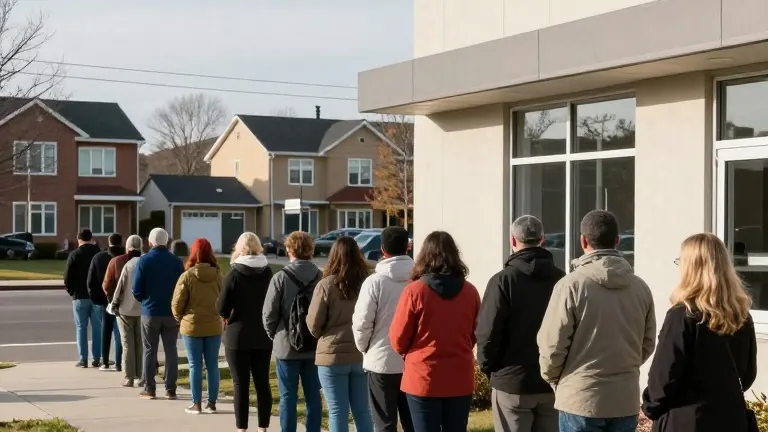
West Michigan politics have long been defined by the cultural heritage of Dutch immigrants, but the demographic reality of the 86th State House District is shifting rapidly. In Holland, a city traditionally known for its Dutch roots, the growing Latino population is becoming a decisive voting bloc in the upcoming November elections.
The district, which spans parts of Allegan and Ottawa counties, has elected Republicans consistently for over three decades. However, the current contest is competitive for the first time in a generation. Incumbent Nancy DeBoer, a former Holland mayor, won the previous election by approximately 12 percentage points. Her Democratic challenger, Joseph McClusky, is gaining traction on issues such as lowering the cost of living and expanding healthcare access.
Marilyn Sierra, a 53-year-old factory worker from Puerto Rico who has lived in Holland for 14 years, exemplifies this changing electorate. Although she has always voted Republican, she is considering voting for a Democrat this year. Sierra cited the rising costs of groceries and gas as primary factors. She noted that her paycheck is stretched thin, and she worries about her grandchildren's ability to buy homes in the future.
Kimberly Maldonado, a 20-year-old aspiring physician assistant, is also weighing her options. While she supports the Democratic platform on healthcare costs, she remains undecided on the local state House race. She expressed a desire for more low-cost clinics in the area and is conducting further research before casting her ballot.
Alfonso Barajas, a 64-year-old lifelong Democrat, is motivated primarily by federal immigration policies. He described the current political climate as ugly and said he is going to the polls to remove President Donald Trump from office. For many Latino voters, the 2026 midterms serve as a proxy vote against the administration.
Eric Gonzalez Juenke, an associate professor of political science at Michigan State University, notes that the district has one of the most concentrated Latino populations in the state. He explained that a younger Latino population is reshaping the electorate as the older Dutch immigrant voter base declines. Juenke stated that if turnout surges in this group, it could make a substantial difference in the race outcome.
Historical data shows that Latino support for Democrats waned between 2018 and 2022, with the margin shrinking to 21 percentage points in the latter year. Despite this, recent Pew Research Center surveys indicate that many Latino registered voters view the midterms as a chance to oppose Trump. Both DeBoer and McClusky are actively campaigning in both English and Spanish to reach these voters.
With Republicans holding a slim majority in the state House, the results from the 86th District will be a bellwether for the broader legislative battle. The district’s shift from a reliable Republican seat to a competitive one reflects a wider trend of demographic change in Michigan politics.
Source: Michigan Public