Food Insecurity: Montgomery County Pantries Face Record Demand
Roughly 83,470 residents faced food insecurity in 2024, a figure officials say has continued to rise despite a 140 percent increase in food distribution over three years.
By Fatima Saleh ·
MontCo Anti-Hunger Network Executive Director Shannon Isaacs reported that food pantries in Montgomery County are handling a surge in demand that far outpaces their capacity. The network, which supports 75 food pantries, food banks, and free providers, is currently serving a population that has more than doubled its original design limits. Isaacs stated that the local food system was built to feed 40,000 people, yet agencies are now being asked to serve more than twice that number.
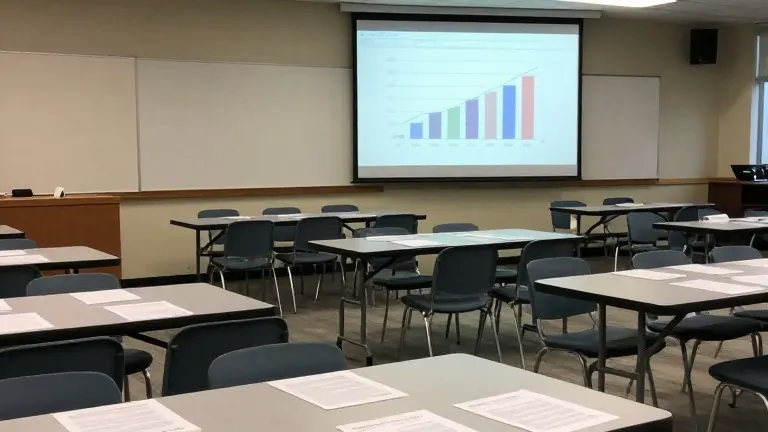
The strain on these resources became a central topic at the 2026 Hunger Action Summit, an annual forum hosted by the network in Blue Bell. The event brought together nonprofit representatives, community leaders, and government officials to discuss the current economic pressures affecting residents. Isaacs noted that the goal of the gathering is to strengthen the collaborative ties that allow pantries to better meet the diverse needs of the community.
Data presented at the summit illustrates the scale of the crisis. Feeding America figures indicate that approximately 83,470 people in Montgomery County experienced food insecurity in 2024. A 2026 report from Nourish MontCo shows that network pantries have processed an average of 21,000 visits per month so far this year. A separate survey by the MontCo Anti-Hunger Network found that 68 percent of providers observed more first-time guests compared to the previous year. Additionally, 46 percent of surveyed households reported skipping or reducing meals within the last 30 days.
Isaacs explained that the increase in visitors is a trend that has persisted for three years. She noted that nearly all pantries are seeing higher visitation rates. The network’s report also highlighted that nearly half of surveyed pantry guests visited at least two different pantries per month. Furthermore, 25 percent of those guests reported skipping at least one meal in the past month due to a lack of food.
The decline in Supplemental Nutrition Assistance Program enrollment has added pressure to the system. Isaacs stated that nine out of 10 emergency meals distributed by pantries come from SNAP. She described the recent federal food assistance issues as a "five-alarm fire" that has transitioned into ongoing daily cuts. New work requirements have led to fewer recipients in the county, with some eligible individuals giving up benefits due to the volume of required paperwork.
HealthSpark Foundation CEO Emma Hertz observed that the affordability crisis is affecting residents across all income levels. She pointed to high gas, housing, medical, and food costs as factors straining budgets. Hertz noted that while the 2025 SNAP crisis led to a surge in local donations, current food banks are seeing increased need without the same level of donor support.
The network distributed more than 1 million pounds of food last year, which Isaacs described as a record-breaking year. This total included 234,000 pounds of produce and represents a 140 percent increase in food supplied over the past three years. Survey data indicates that 35 percent of respondents fell behind on housing or utility payments in the last year, and 73 percent of those individuals cut portions or skipped meals. Another 30 percent of pantry guests said they had to choose between paying for housing and buying food within the last 12 months.
Isaacs and Hertz emphasized the importance of collaboration in maintaining the safety net. They stated that sharing research and best practices allows pantries to provide better experiences for guests. The summit concluded with a focus on recharging the volunteer and provider workforce who manage the daily operations of the food system.