EPA Finds No Lead in Water After Iowa Plant Detonation
Initial lab data from 3,200 samples shows no elevation in local water sources following the controlled blast of unstable lead azide in Middletown.
By Lauren Foster ·
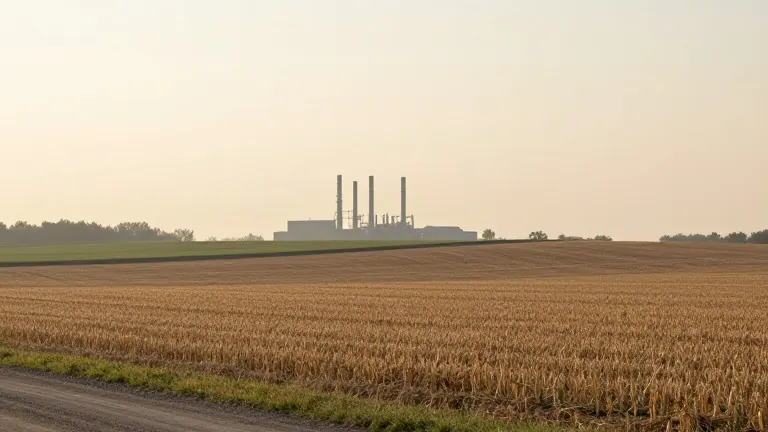
The U.S. Environmental Protection Agency reported on Saturday that initial laboratory tests found no increase in lead levels in water sources near the Iowa Army Ammunition Plant. The results cover the area surrounding the controlled detonation of approximately five tons of unstable lead azide that occurred earlier this week.
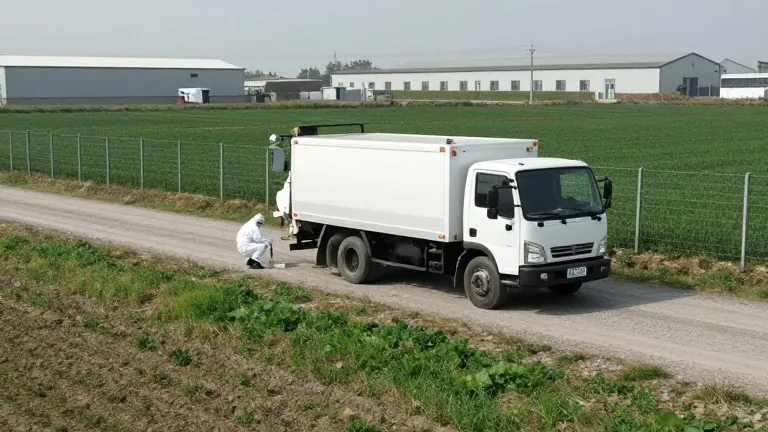
Agency personnel collected more than 3,200 air, soil, dust, and water samples before and after the blast. A team of 300 workers and contractors spent the days immediately following Wednesday's explosion gathering the data and monitoring airborne lead for 30 consecutive hours. The EPA stated it will provide updates as the remaining samples are validated.
Military experts triggered 68 drums of aging lead azide at the plant in Middletown because the material was deemed at risk of spontaneous explosion. Residents within a five-mile radius were ordered to evacuate, while others were advised to remain indoors. Army officials described the detonation as a success, noting that mitigation measures including downward-facing explosives drove the blast into the ground.
Governor-elect Rob Sand criticized the military's handling of the operation, specifically citing a lack of transparency. He called for an investigation into how the lead azide reached such a precarious state. "The lead-up to the detonation should never have been so chaotic and unclear," Sand said. "Iowans across the state are understandably alarmed and scared."
Sue Dyer, a corn and bean farmer located 18 miles southwest of the site, described the communication from officials as horrible. She told NPR that the community is divided on its level of concern despite federal reassurances. "Some people are sure that we're absolutely fine, and some people think we're absolutely dead. So put me somewhere in the middle until I have the data to make an opinion," Dyer said.
Dyer collected samples from her farmland prior to the blast and plans to test the soil again in the next few days. She hopes to verify that her land is lead-free, though she acknowledges the uncertainty surrounding the final data. "I'm very hopeful that everything's fine, but I'm also a realist," she said.
More Business · Scam Watch · Report a business · Got a Story?