Mobile camera units target nighttime commercial crime in Triad
New portable surveillance systems use AI and thermal imaging to deter and respond to intrusions at dark business sites.
By Samuel Hayes ·
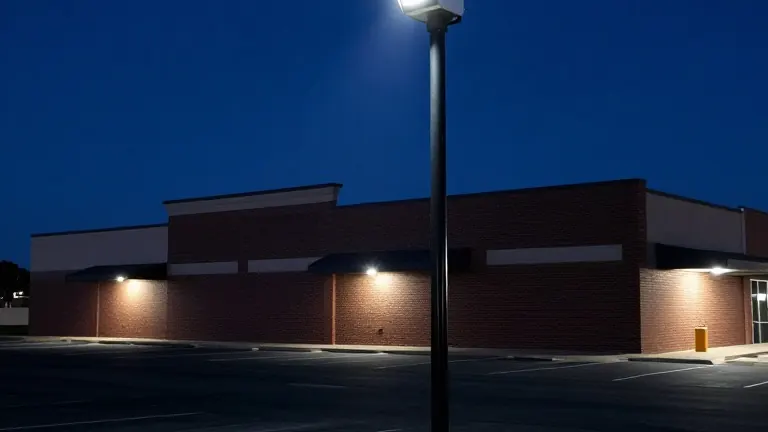
Commercial properties in the Triad are deploying mobile surveillance camera systems to address a persistent security gap: the hours after the lot empties and the building goes dark. Unlike fixed cameras that simply record events for review, these portable units are designed to watch sites actively and respond to intrusions in real time.
Local business owners have long relied on standard security cameras, but that approach often means discovering a broken window or stolen inventory the morning after the incident. The new mobile units aim to change that dynamic by providing a visible, self-contained presence that deters opportunistic crime before it starts.
The systems were developed to cover areas that lack the power and network infrastructure needed for traditional wired cameras. A mobile unit brings its own power source and connectivity, allowing it to monitor remote stretches of fence, empty corners of a parking lot, or vacant properties. Operators can move the unit as risk shifts, providing coverage where fixed installations cannot reach.
Deterrence is the primary function of the visible hardware. A tall, lit unit with floodlights signals to potential intruders that the site is under active observation. For businesses that have suffered overnight break-ins, the visible presence of the camera tower is intended to make the location a less attractive target for opportunists who prefer unwatched premises.
When an intruder is not deterred, the system moves from passive observation to active response. AI analytics flag a person or vehicle in a restricted area, and a trained operator confirms the threat on a live feed. On sites with low light, the units utilize thermal cameras that detect body heat, allowing operators to track movement even in pitch darkness.
Once a threat is verified, the operator can trigger a live warning through an on-site speaker. The voice tells the intruder they have been spotted and that help is on the way. If the intruder does not leave, the operator escalates the incident to police with a verified account of the event, rather than relying on a review of recorded footage from the previous day.
Proponents of the technology argue that actively monitored cameras paired with a live response reduce crime more effectively than recording alone. The system provides a chance to stop a loss while it is happening, a critical advantage during the hours when no other staff are on site to react.
The mobile units can be deployed quickly to sites that are most exposed at night. By combining visibility, AI verification, and live operator response, the systems offer a layered approach to after-hours security. The footage remains available for review after an incident, but the primary value lies in the live intervention that can end an attempt on the spot.
More Business · Greensboro news · Scam Watch · Report a business · Got a Story?