Chicago Voters Back Vacant Land Tax To Fund Public Schools
Nearly 74% of participants approved the advisory referendum, signaling strong support for a new revenue stream aimed at closing the district's $730 million deficit.
By Lauren Foster ·
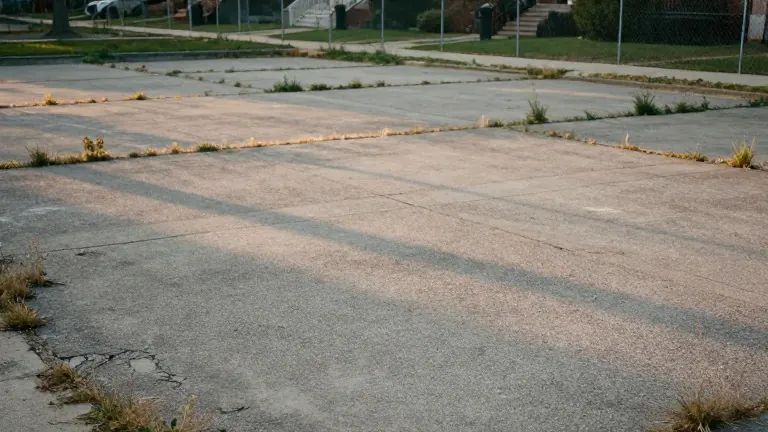
Chicago voters approved a vacancy tax on Tuesday with a wide margin of support.
Roughly 74% of the 624,339 citizens who cast ballots favored the measure. The remaining 26%, or 163,655 voters, rejected the proposal. The ballot question was advisory, so the tax will not take effect unless the City Council passes specific legislation.
School board members view the vote as a clear directive to move forward. Debby Pope, who retained her District 2b seat in a closely watched race, noted that the high approval rate forces candidates to take note before their elections. She argued that the tax would stop vacant lots from becoming dumping grounds and blighted areas near schools. "It just disincentivizes people from holding on to them," Pope said.
Michilla Blaise, a CPS board member leading the District 5b race, supported the tax as a way to address two issues simultaneously: the need for increased revenue and the proper positioning of land for economic value. The district faced a $730 million deficit at the start of the school year. That number would have reached nearly $900 million if the district had not raised property taxes to the legal limit.
The referendum did not define what constitutes long-term vacancy or set a specific tax rate. This leaves the potential revenue unclear. Mayor Brandon Johnson's office stated that the administration hears the concerns about underutilized properties. They pointed to the Missing Middle Infill Housing program, which has sold vacant lots to developers for $1 to create hundreds of new homes in the South and West sides.
Critics warn that the policy could complicate future development. Scott Henry, CEO of Celadon Partners, argued that a vacancy tax is not the best method for spurring development. He suggested that piling a fine on owners often worsens a bad situation and makes it harder to do business in the city. "I don't know how collectible the fines would be," Henry said.
Henry proposed an alternative: using tax increment financing to encourage redevelopment. The city could then charge developers a one-time impact fee to support CPS. He described this method as more predictable, stating it would likely generate more revenue for the district while resulting in new, revenue-generating properties.