Catholic parishes focus on readiness for the afterlife this month
The Church dedicates November to death, judgment, heaven, and hell, prompting a review of daily spiritual habits.
By Lauren Foster ·
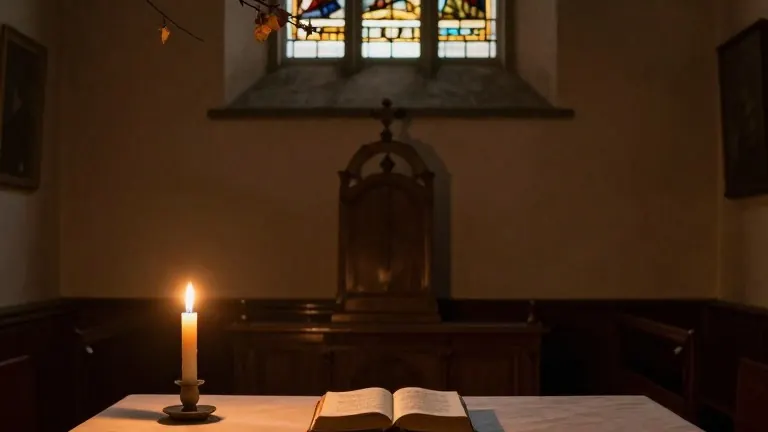
For many North Carolina Catholics, November brings a specific shift in weekly church attendance and personal prayer. The month is dedicated to the four last things: death, judgment, heaven, and hell. As the weather cools and daylight shortens, parishes use this time to encourage members to examine whether their spiritual lives are aligned with their long-term goals. The central question for the faithful this month is whether their hearts and minds are pointed in the right direction.
This reflection is anchored in the scripture readings scheduled for this weekend. The first reading from the Book of Wisdom, verses 6:12 through 16, emphasizes that divine truth endures even when popular opinion shifts. It describes wisdom as actively seeking those who desire it, suggesting that God is not hidden but wants to be found by those who look for him.
The Gospel reading for the day, Matthew 25:1 through 13, presents the parable of the ten virgins. In the story, five women prepare for a bridegroom with extra oil for their lamps, while the other five do not. When the bridegroom arrives, the prepared virgins enter the wedding feast. The unprepared virgins return too late to find oil and are shut out, hearing the words, "I do not know you." The distinction between the two groups is readiness. Jesus does not explicitly define the oil, but the story serves as a metaphor for a life of faith, repentance, and good works.
Father Quail, pastor of Immaculate Conception in Columbia Heights, noted that the temptation to postpone spiritual duties is common. He observed that people often tell themselves they will pray tomorrow, go to confession next month, or skip Mass this weekend. He stated that Jesus reminds believers that their response to him cannot always be postponed and demands a response today.
The readings offer three main reminders for the month. First, God actively seeks people out and offers grace. Second, wisdom prepares individuals to meet the Lord, and the Church’s long history provides a path to follow without needing to reinvent it. Third, seeking God requires perseverance because the exact time of his arrival is unknown.
This month-long reflection continues through November. The next major liturgical observance is the Solemnity of All Saints on November 1, which is already approaching. For now, the focus remains on the ordinary moments of daily life and the preparation for eternity.
The parable of the virgins remains a central teaching tool for this period. The ten women all knew the bridegroom was coming and all expected to attend the feast. Only five prepared for his specific arrival. The message is that expectation alone is not enough; active preparation is required.