AAA: Tri-State Drivers Save Money by Slowing Down and Choosing Stations Carefully
Fuel prices remain near record highs for the season due to the war in Iran, prompting AAA to advise motorists to monitor tire pressure and avoid highway pumps.
By Samuel Hayes ·
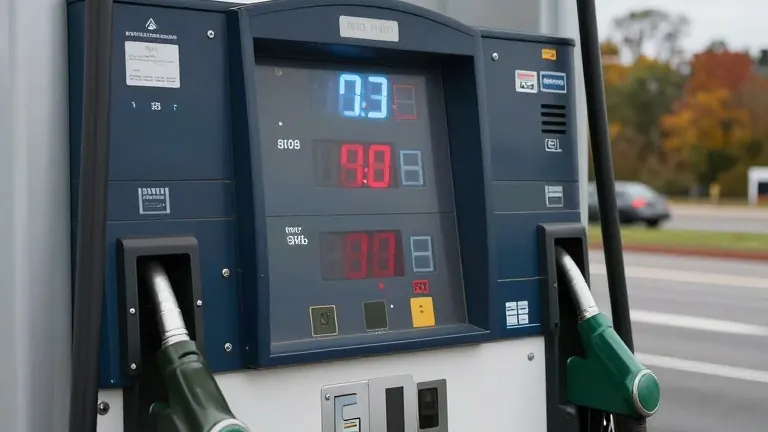
Gas prices in the New York, New Jersey, and Connecticut region remain at record highs for the autumn, a trend AAA attributes to the ongoing conflict in Iran. Although the national average cost has dropped slightly, local drivers continue to pay premium prices at the pump.
Chima Sharma, a law student at the City University of New York who commutes from Riverdale in the Bronx to Long Island City in Queens, reported spending approximately $50 on a round trip. Sharma noted that the cost persists even in a vehicle designed for fuel efficiency. She works full time while attending school and supporting a family, making the expense a heavy burden.
Robert Sinclair Jr., senior manager of public relations for AAA Northeast, explained that driving speed directly impacts fuel consumption. He identified 50 miles per hour as the optimal speed for efficiency because higher velocities increase wind resistance. When a vehicle exceeds that threshold, the engine must work harder to overcome drag, resulting in greater gasoline usage.
Sinclair also linked tire maintenance to fuel economy. He stated that for every pound per square inch of under-inflation, a driver loses about one mile per gallon in efficiency. This loss applies to each individual tire, meaning low pressure across all four wheels compounds the waste in colder weather when air pressure naturally drops.
Location plays a critical role in pricing. AAA data shows some of the lowest prices in the Tri-State area are currently in New Jersey. Sinclair warned that stations located near highways charge more than those further inland. He cited a potential difference of 20 to 25 cents per gallon for the same brand of fuel if one station is on a highway and another is a quarter mile away in a denser commercial area.
The organization advises drivers against waiting until tanks are nearly empty before refueling. AAA noted this practice can be costly and may harm the vehicle. Despite high prices, consumer travel numbers are expected to remain strong during the holiday season, with no significant decline in the number of people driving. This steady demand makes fuel-saving strategies essential for motorists this fall.
Source: ABC7 New York
More Business · Scam Watch · Report a business · Got a Story?