New World Screwworm Confirmed in Arizona Dog
State and federal authorities have confirmed a case in Cochise County, prompting immediate quarantine measures and increased inspections for livestock owners.
By Fatima Saleh ·
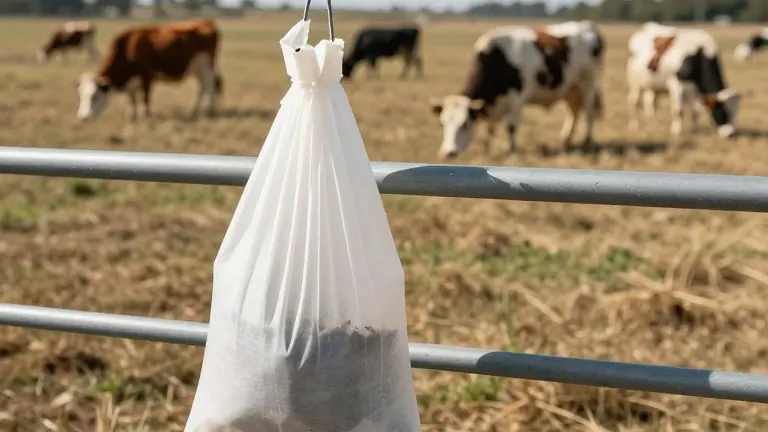
Livestock owners across Arizona now face a mandatory inspection regime after state and federal officials confirmed a case of the New World screwworm in a dog in Cochise County on October 28. This is the first confirmed instance of the pest in the state in decades, and it has triggered immediate movement controls for animals within a designated infested zone.
The fly targets open wounds in warm-blooded animals. Females lay eggs in the tissue, and the larvae hatch to consume the flesh. If the infestation is not treated, the maggots can kill the host animal. The United States eliminated the pest in the 1960s, but its return requires a return to the biological control methods used during that eradication campaign. Officials are releasing sterilized male flies to prevent reproduction and enforcing strict movement permits for livestock crossing zone boundaries.
Ryan Wolker, the state veterinarian for the Arizona Department of Agriculture, explained that animals moving within the infested zone must be evaluated by a livestock inspector or a veterinarian. He noted that these animals may require prophylactic treatment if inspectors deem it necessary. The goal is to stop the spread before the population of flies can establish itself in other parts of the state.
Kyle Chrisman, owner of Roper Nation in Wickenburg, is implementing a multi-layered defense strategy despite the facility being hundreds of miles from the confirmed case. He treats his cattle with an injectable medication called Dectomax CA1 and applies a topical pour-on containing abamectin to control flies. Fly bags are also hung in the pastures to trap adults.
Chrisman emphasized that constant visual inspection is the primary line of defense. His staff checks for wounds on the cattle multiple times a week. Because the facility hosts competitions six days a week and brings in new cattle at least twice a week, the team inspects the steers at least twice weekly. Additionally, the three or four people responsible for daily feeding chores perform a visual check of the herd every day.
While Roper Nation has not found signs of the pest, Chrisman said the frequency of inspections will remain high. The combination of chemical treatment, physical traps, and daily human observation forms the current protocol for the operation.
Source: KUTP
More Business · Scam Watch · Report a business · Got a Story?