A&T students engineer heat-proof chocolate
Researchers at the HBCU are modifying cocoa butter structure to stop confections from melting at 93 degrees.
By Fatima Saleh ·
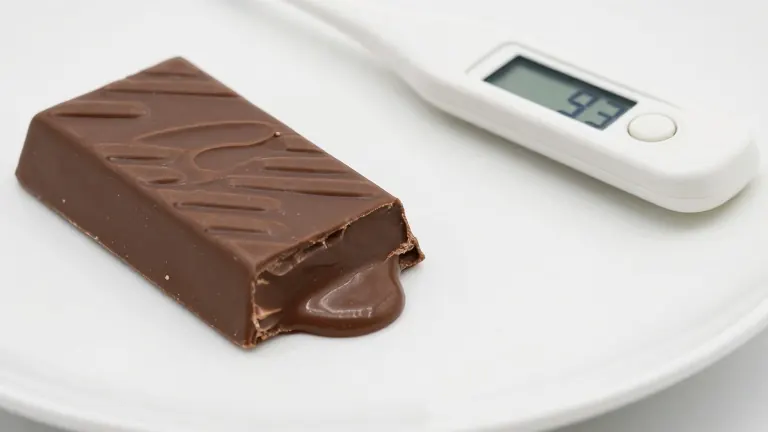
Dark chocolate melts at 93 degrees Fahrenheit. That body temperature limit creates a problem for manufacturers in warmer climates. Scientists at North Carolina A&T State University are working to fix that weakness. They aim to change the physical structure of cocoa butter. This plant lipid makes up more than 30 percent of standard dark chocolate. Its current loose structure allows it to soften easily. The research team wants to pack that structure tighter. A tighter arrangement requires more heat energy to break the chocolate down.
Associate Professor Dr. Roberta Claro da Silva leads the project. She started the effort after seeing previous attempts at heat-resistant chocolate. Those earlier experiments succeeded in raising the melting point. However, they left the final product with a waxy texture. Consumers generally dislike that mouthfeel. Dr. Silva wants a version that withstands hotter temperatures. It must also keep the smooth, recognizable texture shoppers expect.
The work extends an academic course on chocolate manufacturing. A 2024 USDA grant funded the initiative. The project is a partnership with Hershey and Utah State University. A&T is the first historically Black college and university to offer a dedicated chocolate program. It is also the second university in the United States to do so.
Jannatul Ferdaus is a food science Ph.D. candidate on the team. He takes the chocolate course while working on his dissertation. He said the class provides the specific knowledge he needs. "It feeds my knowledge of lipid technology and experience in chocolate production," he said.
The course began as a pilot in Fall 2025. It had only 15 students and no dedicated equipment. Classes relied on guest speakers and field trips. Dr. Silva used grant money to buy small-scale machinery. This allows students to gain hands-on manufacturing experience. Enrollment dropped the following year due to a schedule change. Dr. Silva kept the course running as the professor and visionary behind the program.
Dr. Silva describes the goal as creating a mini chocolate factory on campus. The course is an intensive upper-level offering for juniors, seniors, and graduate students. Students handle the entire production process, which she calls going from bean to bar.
Elliot Hughes manages the campus creamery. He is also enrolled in the chocolate course. He wants to combine the creamery operations with the chocolate lab in the long term. That would allow the team to make chocolate ice cream. "It would be wonderful to say not only is this ice cream made with our Aggie milk, [but] it’s also made with our Aggie chocolate," Hughes said.
More Tech · Greensboro news · Report a business · Got a Story?