
Workplace Footwear: IRS Guidelines for HSA and FSA Reimbursement
Eligibility for tax-advantaged shoe purchases depends on documented medical necessity rather than job requirements, according to updated IRS guidance.
By Fatima Saleh ·
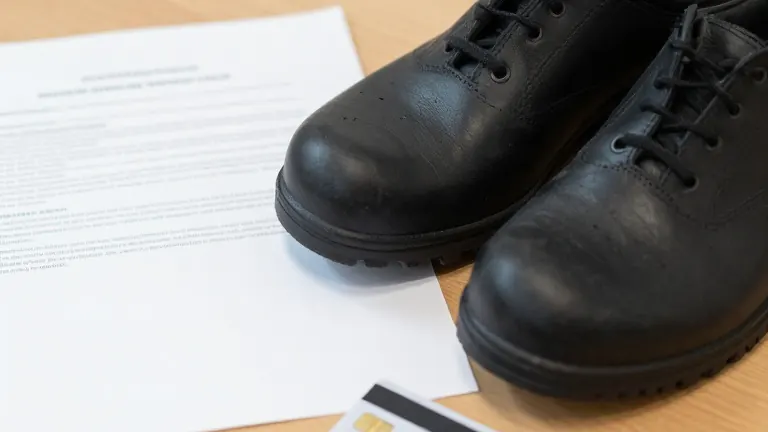
The Internal Revenue Service issued a warning on March 6, 2024, stating that ordinary wellness products are not automatically eligible for Health Savings Account or Flexible Spending Account reimbursement. The agency clarified that a generic doctor's note based on self-reported health information does not turn a personal purchase into a qualified medical expense. This guidance affects how workers determine if their work shoes qualify for tax-advantaged funds.
Standard work shoes generally do not meet IRS criteria for medical care. The tax code defines qualified expenses as those related to the diagnosis, cure, mitigation, treatment, or prevention of disease. Workplace discomfort from standing or walking for long shifts does not automatically establish a medical condition. To qualify, the footwear must primarily treat or alleviate a specific diagnosed ailment.
Conditions that may warrant specialized footwear include plantar fasciitis, flat feet, diabetes-related foot problems, arthritis, and bunions. These structural or inflammatory issues require supportive shoes to reduce pain and prevent injury. Workers with these diagnoses often need a Letter of Medical Necessity from a licensed healthcare provider. This document must explain the condition and detail why specific footwear is part of the treatment plan.
Some brands, such as Rutsu Barefoot, partner with third-party services like Truemed to help customers obtain these letters. The process involves a health questionnaire reviewed by a licensed provider. If approved, the customer receives the letter by email and may use FSA funds for the purchase. The brand estimates eligible customers save an average of 30 percent on these purchases, though actual savings depend on individual tax rates.
Steel-toe boots required for safety reasons do not qualify as medical expenses. These items are considered personal protective equipment rather than treatment for a disease. Employees in hazardous roles should check if their employer offers a safety-footwear allowance or reimbursement program instead of using HSA or FSA funds.
The two accounts handle eligible expenses differently. HSAs are tied to high-deductible health plans and allow unused funds to roll over year to year. The account remains with the individual even if they change jobs. FSAs are typically employer-sponsored and often follow a use-it-or-lose-it structure, though some employers allow limited carryovers or grace periods. Employees should check their plan administrator’s guidelines before purchasing.
Workers can pay for eligible shoes directly with an HSA or FSA debit card if the retailer accepts it. Otherwise, they may pay upfront and submit a reimbursement claim. This process requires an itemized receipt and the Letter of Medical Necessity. Keeping these documents together ensures the plan administrator can verify the medical justification if the claim is reviewed later.
More Business · Scam Watch · Report a business · Got a Story?