Constructing the Ideal College Football Coach by Combining Elite Specialties
An analysis identifies the specific superlatives of top college football coaches, suggesting that a perfect leader would combine the best recruiting, development, and game management skills from across the sport.
By News Media House Staff ·
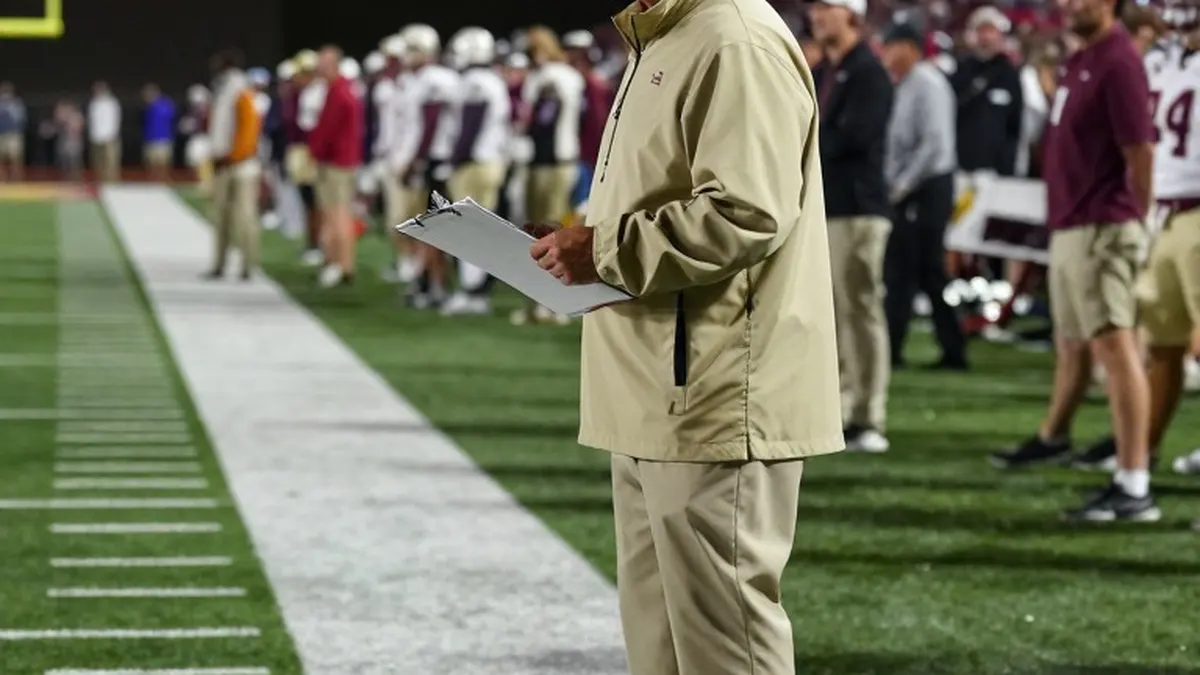
The concept of a perfect college football coach is largely theoretical, as most leaders possess distinct strengths alongside notable flaws. A brilliant playcaller may struggle with recruiting, while a top recruiter might lack the scheme knowledge to maximize a staff. Recent history, including the dominance of Alabama's Nick Saban, illustrates that no single individual is flawless. However, by identifying the superlatives that define success in specific areas, a composite ideal coach can be constructed.
In the realm of recruiting, Miami head coach Mario Cristobal stands out for his relentless approach. His career has included stints at Florida International, Alabama, and Oregon, where he consistently secured top-tier talent. At Miami, he has successfully integrated high-profile transfers, such as Cam Ward, while maintaining a strong high school recruiting pipeline. Industry sources note that Cristobal has recruited effectively in every environment he has entered.
Player development is an area where Iowa head coach Kirk Ferentz excels. Despite often signing classes that are not considered elite by national standards, Ferentz has produced 101 NFL draft picks during his 27-year tenure. His ability to transform lower-rated recruits into professional athletes has resulted in consistent draft success, with players selected in every round over the past decade. Ferentz emphasizes that development, rather than initial star power, is the key to building a competitive roster.
Managing close games is a critical skill, and Alabama head coach Kalen DeBoer has demonstrated exceptional poise in these situations. His career record in one-score games is remarkable, including a 12-1 mark at Washington and strong results at Alabama. DeBoer attributes this success to extensive preparation for late-game scenarios and the confidence that comes from shared experience. His team has maintained a strong record against top-25 opponents, reflecting the stability he provides in high-pressure moments.
The transfer portal has become a major factor in roster construction, and Texas Tech head coach Joey McGuire has utilized this resource with great effectiveness. Working alongside general manager James Blanchard, McGuire has leveraged financial resources to add impactful players who have contributed to league titles and CFP appearances. While some high-profile transfers have faced challenges, the program's overall strategy has resulted in a highly ranked portal class and a competitive roster.
Indiana head coach Curt Cignetti has shown a unique ability to build rosters through a combination of transfers, holdovers, and players from his previous program at James Madison. His success with Indiana, which has risen from a losing program to a national champion, highlights his precision in identifying talent that fits his system. Cignetti has made smart choices with both high-visibility and under-the-radar players, creating a cohesive unit that has performed well above expectations.
Retention of key players is another vital aspect of coaching, where Oregon head coach Dan Lanning has excelled. The Ducks have successfully kept many draft-eligible players in Eugene, including quarterback Dante Moore, who opted to return for another year of development. Lanning views roster retention as a crucial investment in the program's future, believing that keeping established players allows for greater continuity and success.
Offensive play calling is a domain where LSU head coach Lane Kiffin is widely respected. Known for his creativity and aggressiveness, Kiffin has tailored his systems to various quarterbacks throughout his career. His offenses have consistently produced high yardage and point totals, demonstrating a flexible approach that adapts to personnel and game situations. This adaptability makes his teams difficult to defend and keeps opponents guessing.
Finally, the ability to motivate players is a hallmark of Georgia head coach Kirby Smart. Under his leadership, the Bulldogs have achieved multiple national championships and consistently high rankings. Smart is known for his intense pregame speeches and his ability to instill a competitive mindset in his players. His methods, which blend discipline with emotional engagement, have helped sustain a program that remains at the top of the sport.
While no single coach possesses all these qualities to the same degree, the combination of these specific skills outlines what a theoretical perfect coach would look like. From recruiting and development to game management and motivation, these leaders represent the pinnacle of their respective strengths in college football.
Originally published by News Media House
More News · National news · Report a business · Got a Story?