Vatican moves forward on sainthood case for 19th-century nun
Theologians voted unanimously to advance the cause of Sister Blandina Segale, whose frontier work in the American Southwest began with a nervous stagecoach ride in 1872.
By Samuel Hayes ·
The Catholic Church has taken a formal step toward recognizing the life of Sister Blandina Segale, an Italian-born nun who worked in the American West during the 1870s. Earlier this year, Vatican theologians cast a unanimous vote to advance her cause for sainthood. She currently holds the title of Servant of God while the review process continues.
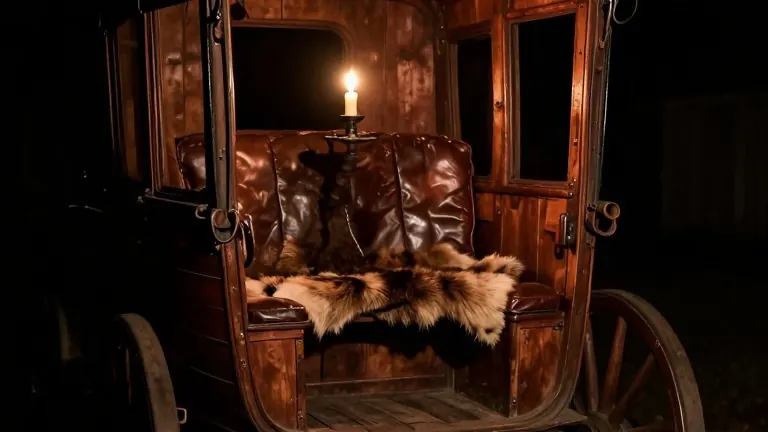
Segale arrived in the United States as a young woman with limited expectations of the frontier. In December 1872, she traveled by stagecoach from Cincinnati to Trinidad, Colorado. She believed the destination was in Cuba until the vehicle entered the Rocky Mountains. The journey took place near midnight on the Colorado plains, a region she had never seen.
During the trip, a tall, lanky man boarded the stagecoach. Segale, who was 22 years old and barely 5 feet tall, expected a cowboy. He offered her a buffalo hide for warmth. She initially feared an attack, writing to her sister that she expected him to speak, answer her, or fire a weapon. The silence between them was intense.
The man asked about her order and whether she was a Quaker. Segale then asked why he had become a cowboy. He admitted he had run away from home after reading about the life and had not written to his mother. He described the omission as beastly. Segale urged him to write a letter immediately upon leaving the stagecoach. He promised to do so, adding the phrase so help me God.
The encounter did not lead to a conversion or a violent confrontation. It marked the beginning of Segale's work in the Southwest. She cared for the sick, defended prisoners, and confronted outlaws. She helped establish schools and hospitals across the region.
In Trinidad, Segale took a crowbar to a dilapidated schoolhouse. The action inspired local townspeople to assist in building a better facility. Six men joined the effort, and a new one-room schoolhouse was constructed on a stone foundation. These events were part of a wider pattern of her work in the frontier towns.
Segale recorded her experiences in a journal that was later published under the title At the End of the Santa Fe Trail. The text provides a primary account of her time on the Santa Fe Trail and her interactions with the local population. Her life story has drawn renewed attention in recent months due to the Vatican's decision.
The vote by theologians is a specific stage in the canonization process. It allows the Church to continue its review of her life and works. The case for sainthood involves an examination of her virtue and impact on the communities she served. The decision was made earlier in 2026.